A smart home can look simple from the wall: one elegant keypad, a few controls, and a home that responds exactly as it should. Behind that experience, however, are network requirements, wiring decisions, device compatibility, programming, and long-term support. That is where the professional installation vs DIY smart home decision becomes much more than a question of who mounts a device or downloads an app.
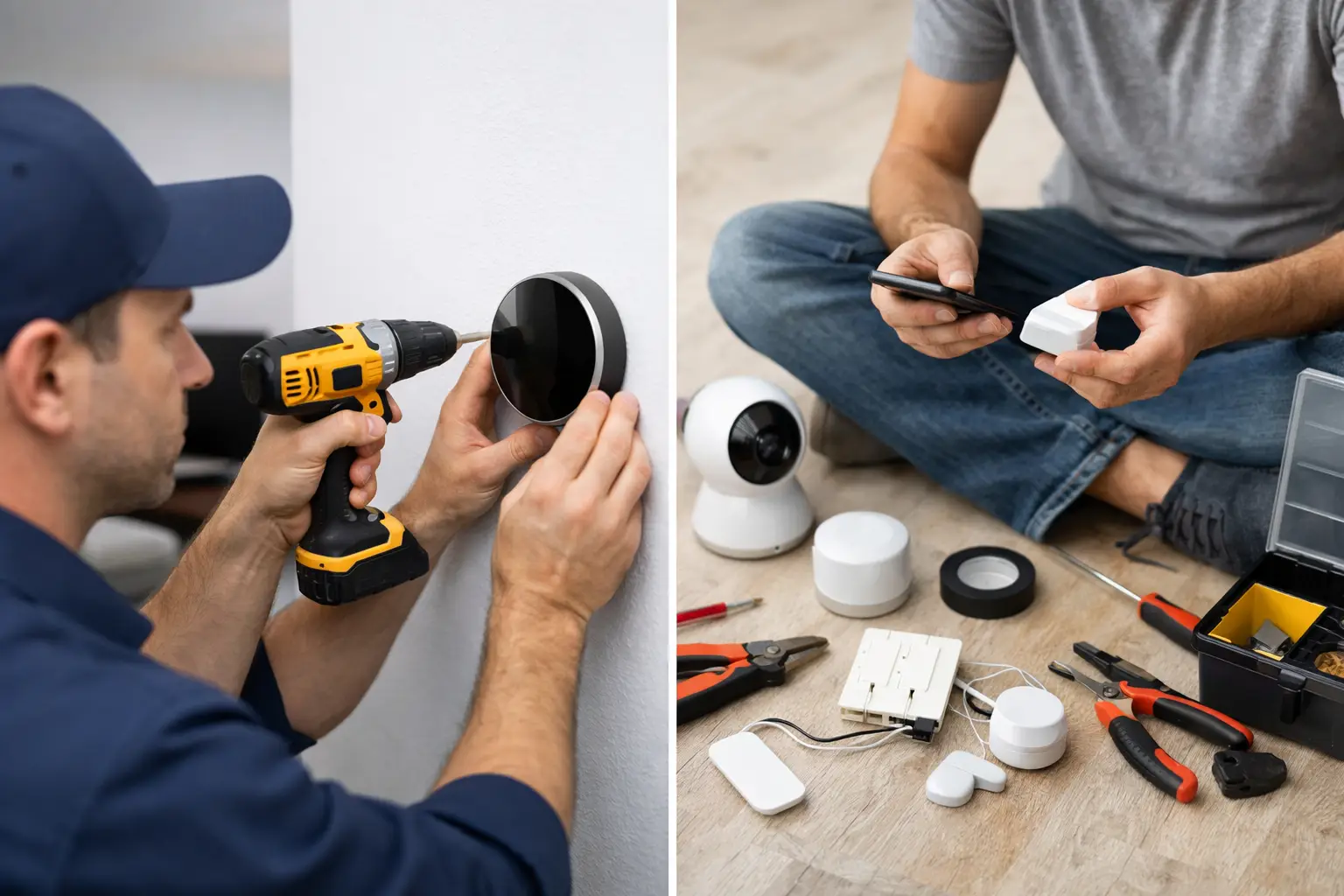
For a single room or one straightforward need, self-installed products may be a reasonable starting point. For a primary residence, second home, major renovation, or property with security, entertainment, shades, climate, cameras, and outdoor spaces to coordinate, professional design changes the outcome. The difference is not merely convenience. It is whether the technology feels intentional, reliable, and ready to perform every day.
Professional Installation vs DIY Smart Home: What Changes?
The most visible difference is the finished experience. A professionally integrated system is designed around how a household actually lives. A family may want one-touch control for entertaining, a quiet bedroom environment at night, music that follows them from the kitchen to the patio, and cameras that are simple to check without sorting through separate applications. A qualified integrator plans those experiences before equipment is selected.
A self-installed system often grows device by device. That can work for a limited scope, but it can also create a collection of separate apps, competing voice commands, inconsistent notifications, and equipment that does not communicate as expected. The friction usually appears later, when a homeowner adds motorized shades, expands surveillance coverage, upgrades Wi-Fi, or wants to include a new outdoor entertainment area.
Professional installation begins with the system as a whole. It considers the property layout, construction conditions, lighting exposure, network coverage, equipment locations, power needs, control preferences, and future expansion. The result is a connected environment built to serve the home rather than a home adjusted around individual devices.
Design Comes Before Devices
A premium smart home is not defined by the number of components installed. It is defined by whether each component has a clear purpose and works together without adding complexity. This is why system design deserves as much attention as product selection.
During a professional consultation, the discussion should begin with your routines and priorities. Do you need discreet audio throughout the home? Is property protection the central concern? Are you renovating a waterfront residence where outdoor zones, gates, pool equipment, and surveillance require thoughtful planning? Will guests, children, staff, or property managers need simple access without full control of the system?
Those answers shape the design. They also prevent common frustrations, such as cameras with weak coverage, speakers placed without regard for room acoustics, Wi-Fi access points hidden in poor locations, or controls that are technically capable but difficult for the household to use.
For new construction and renovations, planning early provides another major advantage: infrastructure can be placed before walls are closed. Structured cabling, equipment racks, speaker wiring, camera wiring, and dedicated network locations can be incorporated cleanly into the project. Retrofitting is possible in many homes, but early coordination gives the design team more options and helps protect the finished interior.
Reliability Depends on the Foundation
Smart home performance depends heavily on the network. Video streaming, security cameras, distributed audio, automation processors, remote access, and mobile controls all rely on a stable infrastructure. When that foundation is not properly planned, even premium equipment can feel inconsistent.
Professional integration addresses network capacity, coverage, segmentation, equipment ventilation, power protection, and cable management as part of the project. Devices are configured to communicate reliably, and critical systems can be separated from guest traffic or other nonessential activity. This level of preparation matters when a camera feed needs to load quickly, a control command needs to respond immediately, or a remote homeowner needs confidence that the system is available.
It also improves the appearance of the installation. Instead of visible wires, crowded shelves, and power supplies spread across rooms, equipment can be organized in a dedicated, serviceable location. Controls can be placed where they are useful, while speakers, cameras, and access points are positioned for performance without distracting from the architecture.
Security and Privacy Require a Higher Standard
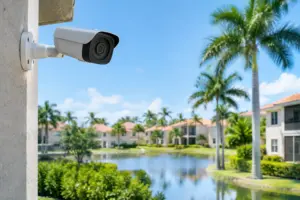
Security devices are often the point at which homeowners realize that integration is not a casual project. Cameras, door access, gate controls, alarms, sensors, and remote notifications involve both physical protection and digital security. Placement, recording coverage, user permissions, network configuration, and alert settings all affect whether the system is truly useful.
A professionally designed security solution focuses on the details that determine performance: identifying vulnerable entry points, avoiding camera blind spots, selecting appropriate viewing angles, managing nighttime visibility, and providing controls that are easy to use during an actual concern. It also helps ensure that the system supports the household’s privacy expectations rather than creating a constant stream of unnecessary alerts.
For seasonal properties and frequent travelers, this is especially valuable. Reliable remote access can provide meaningful awareness of the residence, but only if the underlying system has been configured, tested, and maintained properly.
Control Should Feel Natural, Not Technical
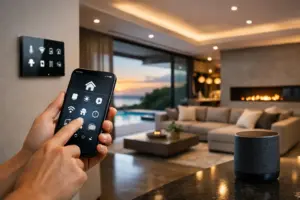
The goal of automation is to reduce decisions, not create more of them. A well-designed system gives homeowners a consistent way to control the environment whether they are using a keypad, touchscreen, mobile device, or approved voice control. The same interface can bring together entertainment, lighting, shades, comfort settings, surveillance, and outdoor features according to the needs of the property.
Professional programming is what makes this feel intuitive. A “Good Night” command can turn off selected areas, lower shades, adjust lighting, arm designated security features, and leave a safe path of illumination through the home. An “Entertain” setting can prepare the main living spaces and backyard without requiring guests or hosts to open several separate applications.
Not every home needs extensive scene programming. Some clients simply want dependable distributed audio and a better network. Others want comprehensive control across multiple residences. The right scope is determined by lifestyle, property complexity, and the level of simplicity the owner expects.
Ongoing Support Is Part of the Value
Technology changes, household routines evolve, and properties require maintenance. A system that performs well at handoff should also have a clear path for service, adjustments, and future additions. This is one of the most meaningful advantages of working with an established integration partner.
When a single team has designed, installed, programmed, and documented the system, troubleshooting is more direct. There is accountability for the complete experience rather than a search for which manufacturer, installer, application, or network setting is responsible for a problem. That matters when a client wants to make a change before a gathering, add coverage after a renovation, or resolve an issue at a second residence.
Sentry Audio Video approaches each project with this long-term perspective, coordinating entertainment, automation, security, and IT-enabled infrastructure as one connected system. The objective is not simply to install technology. It is to deliver a finished environment that remains dependable and easy to enjoy.
When a Self-Installed Setup May Make Sense
There are situations where a self-installed setup can be appropriate. A renter, a homeowner testing a single feature, or someone with a limited, isolated need may prefer a straightforward product that does not need to coordinate with the rest of the property. The scope is contained, the expectations are modest, and the owner is comfortable managing setup and support.
The decision changes when multiple systems must work together, appearance matters, reliability is nonnegotiable, or the property has complex construction and coverage requirements. It also changes when the homeowner values one trusted point of contact instead of managing separate devices, applications, warranties, and service paths.
The question is not whether a device can be installed independently. It is whether the home deserves a system designed to perform as one. For a residence where comfort, security, entertainment, and presentation matter every day, thoughtful professional integration is an investment in a more confident, more enjoyable way to live.