A luxury residence should not require a collection of remotes, separate applications, and trial-and-error troubleshooting to enjoy its technology. Luxury smart home automation brings entertainment, lighting, motorized shades, security, climate control, and outdoor spaces into one thoughtfully designed system that feels natural to use and dependable every day.
The difference is not simply adding more technology. It is engineering every component to work together around the way your household lives. A properly integrated home can set the mood for a dinner party, secure the property when you leave, prepare outdoor entertainment for guests, and make it easy for every family member to control the spaces they use.
What Defines Luxury Smart Home Automation?
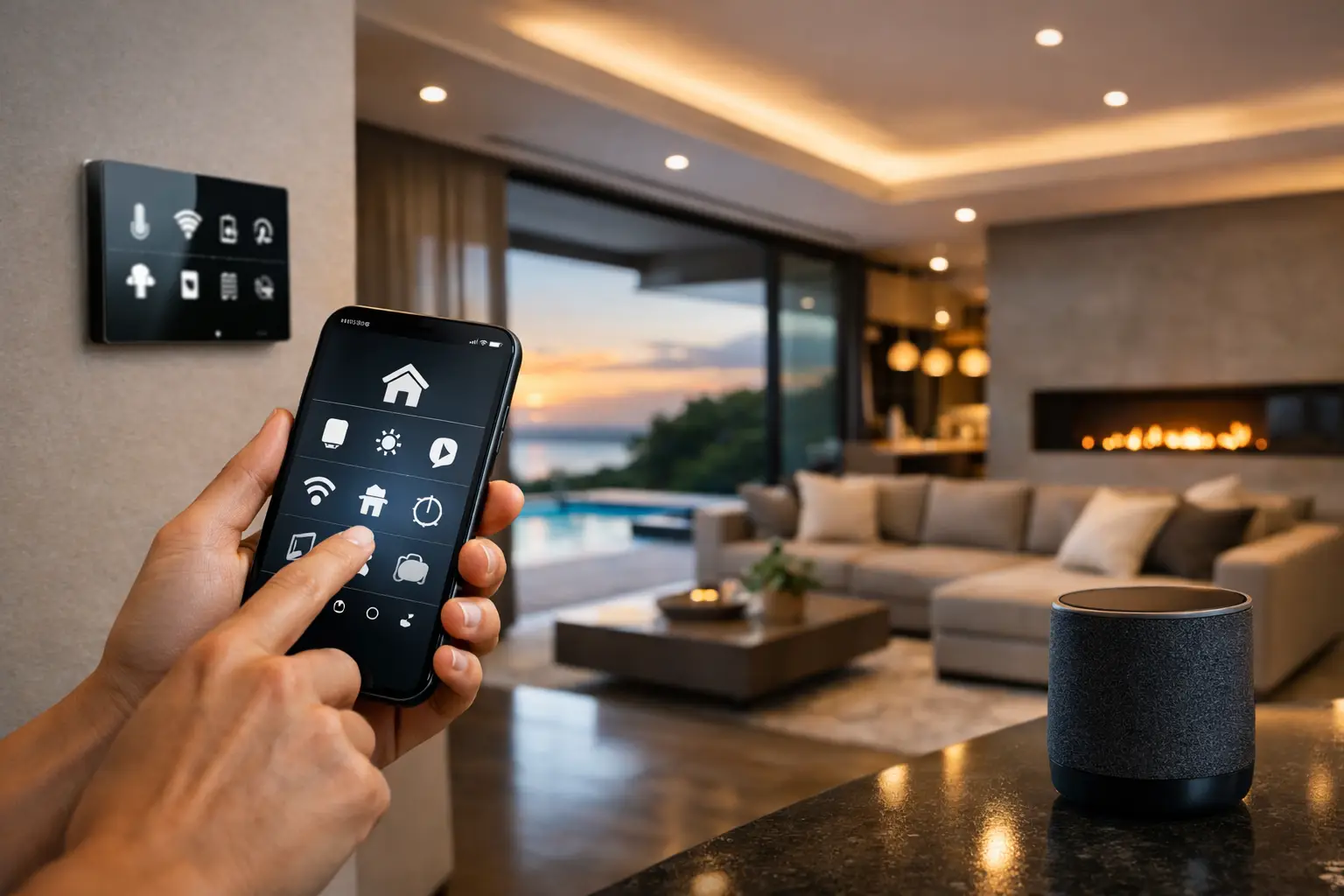
Luxury automation is built around performance, personalization, and professional execution. Instead of placing individual devices throughout a home and hoping they cooperate, an experienced integrator designs the system as a connected environment. The control experience is consistent whether you are in the primary suite, kitchen, patio, home theater, or away from the property.
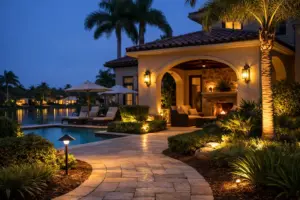
That design begins with the home itself. Room layouts, window placement, lighting plans, architectural finishes, network requirements, and how the family entertains all affect the right solution. A waterfront property in South Florida may place a greater emphasis on shading, outdoor audio, pool integration, and remote property awareness. A New York residence may prioritize discreet equipment placement, high-performance networking, and carefully coordinated media spaces. The technology should respond to the property, not force the property to conform to the technology.
Just as important, luxury does not mean every function should be automated. Some homeowners want a single button that prepares the entire house for an evening at home. Others prefer refined, room-by-room control with a familiar wall keypad. The right system gives you both options without making everyday operation complicated.
A Home That Responds to Real Life
The strongest automation systems are built around scenes. A scene combines multiple actions into one command, allowing the home to respond to a moment rather than requiring separate adjustments.
For example, an “Entertain” scene can turn on selected lighting, lower shades where afternoon sun is strongest, start music in the main living area and patio, and set the display in the media room. A “Goodnight” scene might turn off common-area audio and video, close shades, adjust lighting, confirm exterior doors are secured, and place the home in its preferred nighttime setting.
These are not novelty features when they are designed with purpose. They reduce the small points of friction that occur every day while providing a more polished experience for family and guests. The key is restraint. A scene should save time and improve comfort, not create unexpected changes that leave you searching for a control to reverse them.
Entertainment Without the Equipment Taking Over
Whole-home audio is one of the most immediately satisfying parts of a custom system. Music can follow the flow of the home from the kitchen to the terrace, with each area controlled independently or grouped for larger gatherings. Proper speaker selection and placement matter as much as the source equipment. The goal is balanced, detailed sound that fills the space without visible clutter or intrusive volume.
Video distribution takes the same approach. Rather than relying on separate source equipment in each room, a centralized design can make preferred content available throughout the property while keeping equipment organized and accessible for service. In dedicated theaters and media rooms, the system can coordinate projector or display operation, surround sound, lighting, shades, and seating comfort from a single interface.
Outdoor entertainment deserves equal consideration. Weather-rated speakers, discreet landscape audio, exterior displays, and reliable controls can make patios, pools, and outdoor kitchens feel like extensions of the home instead of separate technology zones. Equipment must be selected and installed for the environment, especially in coastal areas where heat, humidity, and salt air are real factors.
Lighting and Shades With Architectural Intent
Lighting control does more than replace a wall full of switches. It creates useful layers of illumination for cooking, reading, hosting, relaxing, and moving through the house after dark. A well-planned system keeps controls intuitive while giving the homeowner precise command of dimming levels, fixtures, and preset scenes.
Motorized shades add privacy, daylight management, and protection for furnishings and artwork. When coordinated with lighting, they can help rooms remain comfortable and visually balanced throughout the day. In rooms with large expanses of glass, shades may be one of the most valuable elements of the automation plan.
The trade-off is that lighting and shade systems require early coordination. Wiring, control locations, fabric selection, pocket dimensions, and finish details should be considered during design or renovation whenever possible. Retrofitting can still be practical in many homes, but a clear plan prevents unnecessary compromises.
Security Should Be Part of the Same Experience
A luxury home should feel protected without feeling institutional. Integrating surveillance, access control, door stations, gate control, and environmental alerts into the same control platform gives homeowners a clearer view of the property. From one interface, you can see who is at the entry, review camera views, respond to an access request, and check key areas of the home.
Integration is particularly valuable for second homes and properties that are vacant for extended periods. Remote visibility can provide reassurance, but it depends on professional network design, correct camera placement, secure account configuration, and equipment that can be maintained over time. A camera placed in the wrong location or connected through an unreliable network does not provide the confidence homeowners expect.
Security planning should also respect privacy. Camera coverage, notifications, user permissions, and access records need to be configured thoughtfully. The objective is useful awareness, not constant alerts that quickly become ignored.
The Infrastructure Behind a Dependable System
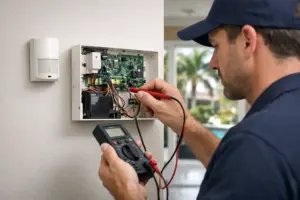
The visible controls are only one part of a luxury smart home. The hidden infrastructure determines whether the experience remains reliable after installation day. Structured cabling, enterprise-grade networking, equipment ventilation, power management, labeled racks, and clean service access all play a role.
Wireless coverage is especially critical. A large home, dense construction materials, outdoor living areas, and numerous connected devices can expose weak spots quickly. Professional network design considers coverage, capacity, security, and future expansion rather than treating Wi-Fi as an afterthought.
Centralized equipment also benefits from disciplined installation practices. A clean, documented rack makes it easier to service the system, identify components, and add features later. It may not be the part of the project guests see, but it is often the reason the system continues performing as intended.
Why Professional Design Changes the Outcome
The most common failure in home technology projects is not a lack of available products. It is a lack of coordination. When audio, video, shades, lighting, security, networking, and control are planned independently, the homeowner often inherits multiple interfaces and unclear responsibility when something stops working.
A full-service integrator takes ownership of the complete picture, from consultation and proposal through installation, programming, commissioning, and ongoing support. That includes working alongside architects, builders, interior designers, and other trades to protect both the design vision and the technical requirements.
At Sentry Audio Video, that approach means designing systems around each property and standing behind the performance after the installation is complete. Premium equipment matters, but the system is only as good as the design, installation quality, programming, and support behind it.
Planning Your Project at the Right Time
The ideal time to plan automation is before walls are closed, finishes are selected, and equipment locations become difficult to change. Early planning gives more freedom for concealed wiring, speaker placement, shade pockets, equipment rooms, and thoughtful control locations.
That said, existing homes can benefit greatly from an upgrade. The scope may focus on a theater, a whole-home audio system, outdoor entertainment, surveillance, or a more reliable network. A professional walkthrough can identify what can be integrated now and what can be prepared for later, without asking you to commit to every feature at once.
Start with the moments you want the home to handle better: arriving, leaving, entertaining, relaxing, protecting the property, or managing a second residence from afar. Those answers create a clearer design brief than a list of products ever could.