
A lighting system can look impressive on a showroom wall and still disappoint in a finished home. The difference is in the design, wiring strategy, programming, and support behind it. When searching for a Lutron Installer Gulfstream residents can rely on, the goal should be more than putting dimmers on the wall. It should be creating an intuitive lighting and shading experience that fits the property, the people using it, and the way each space is meant to feel.
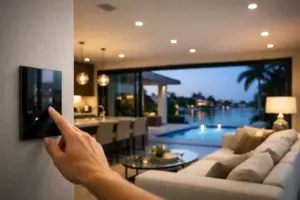
For homes in Gulf Stream, where architectural detail, outdoor living, privacy, and reliable property management all matter, professionally integrated Lutron control brings a meaningful level of comfort. A single button can prepare the home for an evening arrival, lower shades for privacy, illuminate pathways, and set the right atmosphere without requiring a collection of separate apps or controls.
Why a Lutron Installer in Gulf Stream Matters
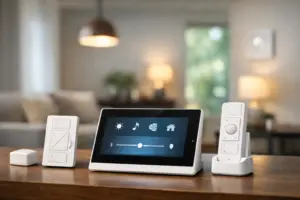
Lutron is known for sophisticated lighting control, motorized shades, keypads, and whole-property automation. But the equipment alone is only one part of the outcome. A proper installation starts with an understanding of the home’s electrical layout, available infrastructure, interior finishes, window treatments, room usage, and broader smart-home plans.
A professionally designed system makes lighting feel natural. Keypads are placed where they are useful, labels are clear, and scenes are programmed around daily routines rather than generic presets. The primary bedroom may need quiet, low-level nighttime paths and blackout shade control. A kitchen may call for bright task lighting during the day and a warmer entertaining scene at night. Outdoor areas may need layered illumination that supports dining, poolside gatherings, and safe movement around the property.
This level of planning also protects the visual integrity of the home. Instead of filling walls with mismatched switches, a refined keypad layout can control multiple lighting loads, shades, and scenes from a coordinated interface. The result is less wall clutter and more control where it belongs.
How a Lutron Installer Gulfstream Project Is Designed
Every successful Lutron project begins with a site-specific conversation. The first question is not which keypad finish looks best. It is how the home should operate.
An experienced integrator reviews the spaces that matter most, from formal living areas and primary suites to patios, guest rooms, and entry points. They identify which lights should work together, where shade control is needed, what areas need occupancy or daylight-based automation, and whether the system should coordinate with audio, security, climate, or pool controls.
From there, the design team develops a control plan. This includes lighting zones, dimming requirements, keypad locations, shade pockets or mounting details, equipment placement, network requirements, and future expansion considerations. The right solution may involve a centralized lighting system for a large renovation, or a more targeted approach for an occupied residence where preserving finished walls is a priority.
Programming comes after the physical installation, but it should be considered from the start. Thoughtful scenes are the point of the system. “Welcome Home” may bring on entry and interior lights at an appropriate level, while “Goodnight” can turn off selected lights, lower shades, and leave only essential pathway lighting active. A “Vacation” setting can vary interior lighting patterns while coordinating with the property’s security strategy.
The most useful scenes are personal. A professional installer will refine them after the homeowner has had time to use the space. A dining scene that is perfect on paper may need a different dimming level once the artwork, finishes, and furniture are in place.
Lighting and Shade Control Should Work as One System
Lighting and motorized shades are strongest when they are designed together. Natural light changes throughout the day, especially in rooms with large windows, waterfront exposure, or west-facing glass. Shades can protect furnishings, reduce glare, support privacy, and help maintain a comfortable visual environment without closing off the view.
In a living room, shades may lower during the brightest part of the afternoon and rise later to restore the view. In a media room, they can be included in a single entertainment scene that adjusts lighting and prepares the room for viewing. Bedrooms benefit from scheduled shade operation that supports a gentle morning routine while maintaining privacy at night.
Fabric selection, openness factor, side channels, pocket details, and control method all affect the final result. This is why shades should not be treated as an afterthought. On new construction and major renovations, early coordination with the architect, designer, builder, and window-treatment team helps ensure the hardware is properly concealed and the finished appearance remains intentional.
New Construction and Existing Homes Require Different Strategies
New construction gives the integration team the greatest flexibility. Structured wiring, dedicated equipment locations, centralized panels, shade pockets, keypad boxes, and network infrastructure can all be planned before walls are closed. That planning often produces the cleanest result and creates a strong foundation for future additions.
Existing homes require a different kind of expertise. The work must respect finished surfaces, established electrical conditions, furnishings, and the homeowner’s daily schedule. In many cases, a Lutron system can be expanded in phases, beginning with the rooms that will create the most immediate value, such as the main living areas, primary suite, exterior spaces, or a media room.
Neither approach is automatically better. The right path depends on the property, the scope of renovation, and how much centralized control the owner wants. A qualified installer should explain those trade-offs clearly rather than forcing every home into the same system design.
What Clean Installation Really Looks Like
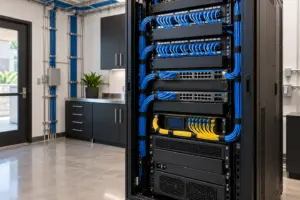
Premium technology should not dominate the room visually or become difficult to service later. Clean installation means keypads are aligned and consistently placed, shade hardware is carefully measured, wiring is organized and labeled, and control equipment is installed in an accessible, properly ventilated location.
It also means the system is tested as a complete experience. Each lighting zone should dim correctly. Keypads should trigger the intended scenes. Shades should move consistently and stop at the correct positions. Mobile control should be configured for authorized users, and remote support capabilities should be reviewed when appropriate.
Reliability depends on the surrounding infrastructure as well. A connected lighting and shade system benefits from professionally managed networking, particularly in larger residences where coverage, device capacity, and equipment protection affect overall performance. This is where a full-service integration partner provides a real advantage: the lighting system is considered alongside the home’s audio, video, surveillance, communications, and network environment.
Sentry Audio Video approaches these projects as complete technology systems, not isolated products. That accountability matters when a homeowner wants one trusted team that can coordinate the details, install with care, and remain available after the project is complete.
Choosing the Right Lutron Installation Partner
The right installer should be comfortable asking detailed questions before recommending a system. They should be able to explain why specific control methods, shade solutions, and programming choices fit the property. They should also coordinate effectively with the other professionals involved in the project, because lighting control touches electrical work, interior design, cabinetry, window treatments, networking, and architectural finishes.
Look for a team that values documentation and ongoing service. Homeowners change routines, renovate rooms, add outdoor spaces, and bring new family members or property managers into the home. A well-supported system can be updated as those needs evolve.
It is also wise to discuss the handoff process before installation begins. The owner should know how to use everyday controls, make simple scene adjustments when permitted, access mobile control, and request service when something changes. Sophisticated control should simplify life, not introduce uncertainty.
A carefully planned Lutron system gives a Gulf Stream residence more than beautiful lighting. It delivers control that feels considered from the first arrival of the day to the final lights-out routine. Schedule a professional consultation early in the design or renovation process so the system can support the home’s architecture, lifestyle, and long-term performance.