A fire alarm system can look perfectly normal on the wall or ceiling and still create a serious compliance issue. A dead backup battery, an out-of-date inspection tag, a blocked pull station, or an unreported tenant renovation can affect how the system performs when it matters most. This fire alarm compliance guide gives property owners and facility leaders a practical framework for managing the system as an active life-safety responsibility, not a one-time installation.
Compliance is not simply about passing an inspection. It is about maintaining a system that detects, notifies, communicates, and supports a safe response throughout the life of the building. The exact requirements depend on the property type, occupancy, local authority having jurisdiction, adopted fire codes, and the equipment installed. That is why professional evaluation and disciplined documentation matter.
What Fire Alarm Compliance Actually Covers
A compliant fire alarm system is a coordinated set of components, procedures, and records. The panel is only one part of the picture. Devices throughout the property must communicate correctly, notification appliances must be visible and audible where required, monitoring must function, and the system must be maintained according to applicable codes and manufacturer instructions.
For commercial properties, the requirements can differ substantially among offices, restaurants, retail locations, medical facilities, multifamily communities, warehouses, and mixed-use buildings. A property may also be subject to requirements from the fire marshal, building department, insurer, landlord, or management company. In South Florida, for example, property improvements often involve changing layouts, adding tenant spaces, or upgrading access and security systems. Each change can affect the fire alarm scope.
Residential compliance has its own considerations. Larger homes, guest houses, detached garages, elevators, monitored security systems, and integrated automation can introduce additional coordination requirements. A premium property should not treat life safety as an afterthought to the technology plan. The system needs to be designed so safety functions remain dependable without creating unnecessary complexity for the household.
Start With the Authority Having Jurisdiction
The authority having jurisdiction, often called the AHJ, is the entity that interprets and enforces the applicable requirements for a property. Depending on the project, that may be a local fire prevention office, building department, or another designated official. Their approval is central to system acceptance, modifications, and ongoing compliance.
Owners sometimes assume that a system installed several years ago automatically remains compliant. That is not always the case. A renovation, occupancy change, expansion, code update, or replacement of related building systems may trigger review. Even when no major work is planned, deficiencies discovered during an inspection can require corrective action.
Before altering walls, ceilings, doors, floor plans, or network infrastructure, involve qualified fire alarm professionals early. This prevents a common and costly problem: completing a polished renovation only to learn that devices were removed, covered, relocated improperly, or no longer provide the required coverage.
Know What Is Installed
Every owner or manager should have accurate system information available. That includes the fire alarm control panel model, device locations, monitoring provider details, current permits where applicable, inspection reports, test records, battery replacement history, and documentation of repairs or modifications.
If those records are scattered among former contractors, property managers, and closing documents, organize them now. A complete service file makes it easier to diagnose issues, coordinate inspections, and demonstrate responsible management to the AHJ or insurer.
Testing and Inspection Are Ongoing Duties
Fire alarm compliance is maintained through recurring inspection, testing, and maintenance. The frequency and scope vary by jurisdiction, system type, and applicable standards, but the principle is consistent: devices must be verified on a schedule, not assumed to work because they have not been used.
Testing may include smoke and heat detection, manual pull stations, horn and strobe notification, supervisory signals, communication to the monitoring center, annunciators, power supplies, batteries, and control panel functions. Sprinkler monitoring components, duct detectors, elevator recall interfaces, door releases, and other connected systems may also need coordinated testing.
The test should reflect how the building actually operates. A notification appliance that sounds adequate in an empty corridor may be less effective when doors are closed, equipment is running, or a restaurant is full. Likewise, a device may be technically functional but poorly positioned after a layout change. Compliance and real-world performance should be evaluated together.
Do Not Treat Trouble Signals as Routine
A trouble signal is the system telling you that a component needs attention. It may indicate a battery issue, communication failure, wiring concern, disabled device, ground fault, or another condition that should be investigated promptly. Silencing a signal without resolving its cause creates a false sense of security and can leave the property exposed.
Establish a clear response path for alarms, supervisory conditions, and trouble signals. Staff, household managers, front-desk teams, and property managers should know who receives the notification, who can authorize service, and how the issue is documented. The goal is accountability from the moment the system reports a concern through confirmed correction.
Renovations Create Frequent Compliance Gaps
Many fire alarm issues begin during otherwise well-managed construction projects. A ceiling is reconfigured, decorative finishes are added, a new conference room is enclosed, or a storage area becomes an occupied workspace. These changes can interfere with detector spacing, audibility, visibility, access to devices, or required egress functions.
Fire alarm design should be reviewed alongside architectural plans, low-voltage infrastructure, security, access control, communications, and AV work. The systems are distinct, but they often share pathways, ceiling space, network environments, power coordination, and operational expectations. A single trusted technology partner can help coordinate those interfaces while keeping life safety requirements appropriately prioritized.
For businesses, changes in occupancy deserve special attention. Converting an office suite into a training center, medical practice, hospitality space, or higher-density workspace may change the applicable rules. For homeowners, additions, detached structures, generator projects, elevator work, or estate-level renovations should include a life-safety review before construction is finalized.
Maintain Clear Access and System Visibility
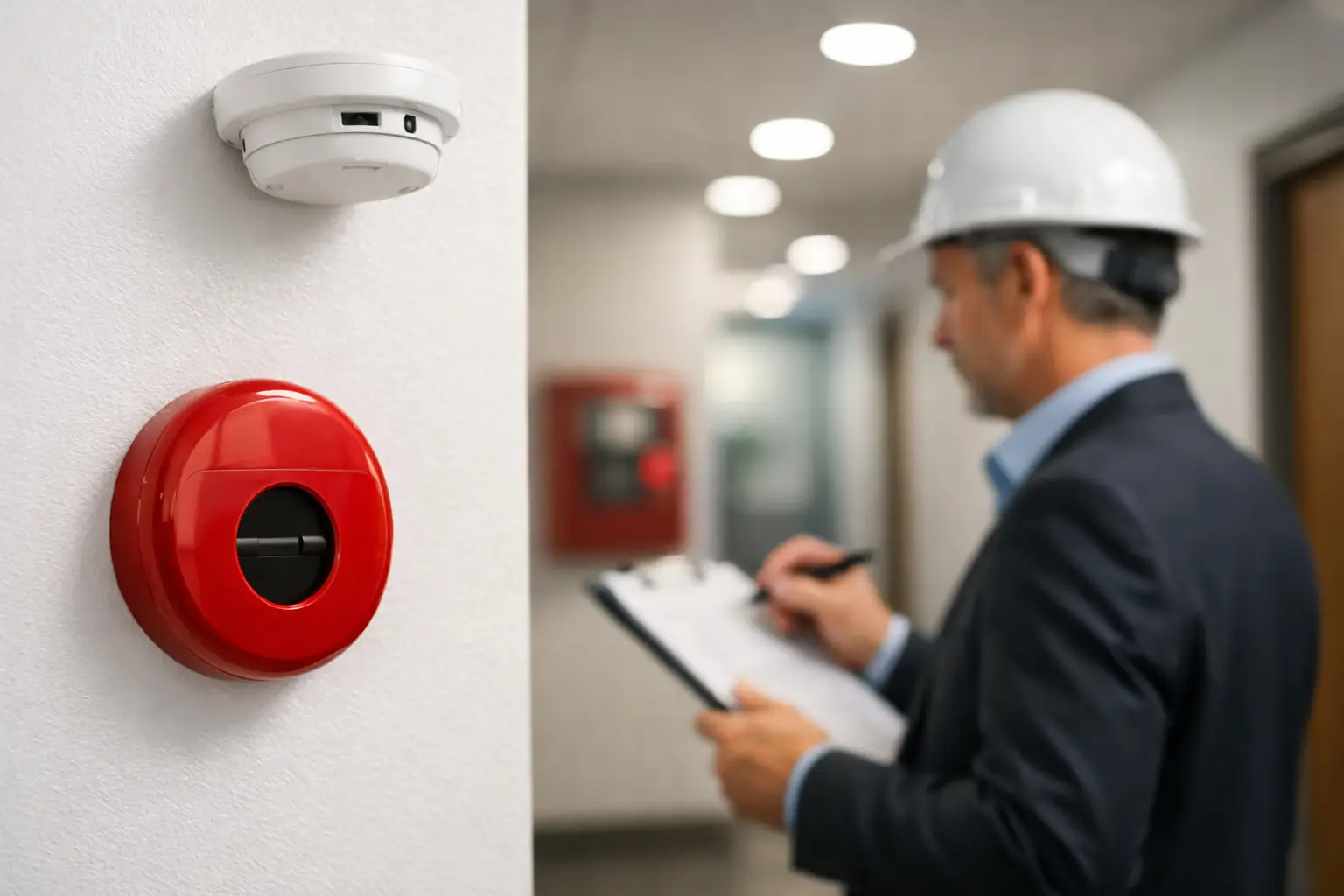
Even a properly installed system can become difficult to service over time. Panels get hidden behind furniture or stored materials. Pull stations are blocked by displays. Strobes are obstructed by new partitions or signage. Detector heads become dirty, painted, or concealed by decorative elements.
Walk the property regularly with a simple question in mind: can occupants, responders, and technicians clearly access and identify the required equipment? This is especially valuable after tenant turnover, holiday installations, furnishing changes, or remodeling.
The fire alarm panel should be kept in a location that is accessible to authorized personnel and protected from casual interference. Labels should remain legible, and any instructions for silencing, resetting, or contacting service should be current. Only trained, authorized personnel should operate the system beyond normal emergency procedures.
Keep Records That Stand Up to Scrutiny
Good records reduce uncertainty when a fire inspector arrives or an alarm event occurs. They also help identify repeat problems before they become major failures. Keep service reports, inspection tags, test results, deficiency notices, permits, as-built drawings, monitoring agreements, and repair invoices in one controlled location.
For each service event, record the date, the condition reported, the technician’s findings, corrective work performed, any components replaced, and whether final testing confirmed normal operation. If a repair cannot be completed immediately, document the interim safety plan and the scheduled resolution.
Digital recordkeeping is often the most practical approach for multi-site businesses and managed estates, provided access is controlled and the current version is easy to locate. The value is not in creating paperwork for its own sake. It is in being able to show exactly how the system has been managed.
When an Upgrade Is the Right Decision
Older fire alarm systems may still operate, but age can introduce limitations. Replacement parts may become harder to source, expansion capacity may be restricted, reporting may be less detailed, and the system may not align well with current building needs. An upgrade should be based on a professional assessment rather than appearance alone.
A modernized system can improve device supervision, reporting, monitoring reliability, and integration with related building functions. However, integration must be planned carefully. Convenience features should never compromise code-required operation, and no connected platform should create confusion about who controls emergency functions.
Sentry Audio Video approaches fire alarm projects with the same disciplined design and installation standards applied to complex security and technology environments. The objective is clear: a professionally executed system that supports compliance, protects the property, and remains manageable after installation.
A Practical Fire Alarm Compliance Guide for Owners
The most effective owners do not wait for a failed inspection or an unexpected trouble signal. They confirm the applicable requirements, maintain a regular testing schedule, keep complete records, review changes before construction begins, and address deficiencies with qualified professionals.
Your fire alarm system is one of the few systems in a property that may need to perform flawlessly during a moment of real danger. Give it the attention, documentation, and professional oversight that responsibility deserves.
For a professional system assessment, documentation review or upgrade plan, explore Sentry’s commercial fire alarm and life-safety services.