A fire alarm system is one of the few building systems that has to perform perfectly on the worst day your property will ever have. That is why commercial fire alarm system installation is not just another line item in a construction plan. It is a life-safety decision that affects occupant protection, code compliance, insurance exposure, and business continuity.
For property owners, facility managers, general contractors, and business leaders, the real question is not whether a fire alarm system is required. It is whether the system is designed and installed in a way that actually supports the building it protects. A well-executed installation should fit the space, align with code requirements, integrate cleanly with related systems, and remain dependable long after the final inspection is complete.
What commercial fire alarm system installation really involves
Commercial fire alarm system installation starts well before devices are mounted on ceilings or walls. The process begins with understanding the building itself – its occupancy type, layout, use case, hours of operation, and code obligations. A medical office, restaurant, warehouse, multifamily property, and corporate suite may all require fire alarm protection, but they do not present the same risks or operational demands.
That early design stage matters because fire alarm systems are not one-size-fits-all. Device selection, control panel capacity, notification strategy, monitoring requirements, and integration points all depend on the property. If the system is overbuilt, the client may end up paying for complexity that adds little value. If it is undersized or poorly planned, the building can face failed inspections, nuisance alarms, limited expansion options, or inadequate coverage.
A professional installation also accounts for how the system will be used day to day. Staff needs to understand what alarms mean, where signals go, and how events are documented. Management needs confidence that testing, service, and future modifications can be handled without disruption. Clean execution is not just about appearance. It is about long-term serviceability and predictable performance.
Why design quality matters as much as equipment
In fire alarm work, brand and hardware matter, but design discipline matters more. Even excellent equipment can perform poorly when devices are placed without regard to the environment or when wiring pathways are treated as an afterthought.
This is especially true in commercial settings with multiple layers of infrastructure. A fire alarm system may need to coordinate with access control, elevator recall, sprinkler monitoring, emergency communication, door release functions, and central monitoring. If these relationships are not considered from the outset, the result is usually rework, delays, and friction between trades.
Good design also protects the customer from future headaches. Businesses evolve. Suites are reconfigured, offices are expanded, tenants change, and code interpretations shift. A thoughtful installation leaves room for service access, documentation, and system growth. That kind of planning is rarely visible at first glance, but it becomes obvious over time.
Commercial fire alarm system installation and code compliance
Code compliance is one of the main reasons business owners seek professional guidance, and for good reason. Fire alarm systems must satisfy applicable codes, local authority requirements, and often insurance-related expectations. The exact requirements depend on the building type, occupant load, fire protection features, and jurisdiction.
What matters for the customer is this: code compliance is not simply about passing inspection once. It is about having a system that was designed, installed, and documented correctly from the beginning. When installation teams understand permitting, device placement, circuit integrity, annunciation, testing, and acceptance procedures, projects move more smoothly and owners avoid unnecessary complications.
There is also a practical side to compliance. Failed inspections can delay openings, interrupt renovations, and create tension across the entire project team. In active commercial environments, that can translate into lost revenue and scheduling problems that affect tenants, staff, and customers. A reliable integrator helps reduce that risk by coordinating carefully and staying accountable through the full process.
Common challenges in commercial environments
Every commercial property presents its own constraints, and experienced installers plan around them instead of reacting to them late in the job. Existing buildings often bring the most complexity. Limited access above ceilings, older infrastructure, occupied spaces, and phased renovation schedules can all affect installation strategy.
New construction has its own pressures. Timelines are tight, multiple trades are working simultaneously, and field conditions rarely remain static. A fire alarm installation team needs to coordinate closely with contractors, engineers, and property representatives so that the life-safety scope stays aligned with the rest of the project.
False alarms are another concern that deserves attention. In many commercial settings, nuisance alarms create more than inconvenience. They disrupt operations, frustrate occupants, and can erode confidence in the system. Proper detector selection and placement are essential here. A space with cooking activity, humidity swings, dust, or changing airflow may require a different approach than a standard office area. This is one of those areas where experience has a direct impact on results.
Integration with the rest of the building
A modern commercial property rarely operates as a collection of isolated systems. Owners and operators increasingly expect technology to work together in a controlled, reliable way. Fire alarm systems are no exception.
Depending on the application, the fire alarm may need to interface with mass notification, surveillance visibility, access-controlled doors, intercoms, or building management functions. That does not mean every property needs a highly complex integrated platform. It means the installation should be approached with a full understanding of what else exists in the building and how those systems interact during an event.
This is where a full-service integration partner brings added value. Instead of viewing fire alarm work in isolation, the project can be designed with the larger operational picture in mind. For commercial clients investing in professional spaces, hospitality environments, mixed-use properties, or high-end office buildouts, that broader technical perspective can prevent conflicts and create a more dependable result.
What to expect from a professional installation process
A strong commercial fire alarm system installation process should feel organized from the first conversation. It typically begins with site review, code and scope assessment, and system design. From there, the project moves into equipment specification, permitting coordination, installation, programming, testing, and final acceptance.
Communication is a major differentiator throughout that process. Owners and contractors should know what is being installed, where devices will be located, what the project timeline looks like, and what is required before final sign-off. Surprises are rarely helpful in life-safety work.
Documentation also matters more than many clients expect. Accurate drawings, device schedules, system records, and testing information support future service and inspections. When a system needs expansion or troubleshooting later, good documentation saves time and reduces uncertainty.
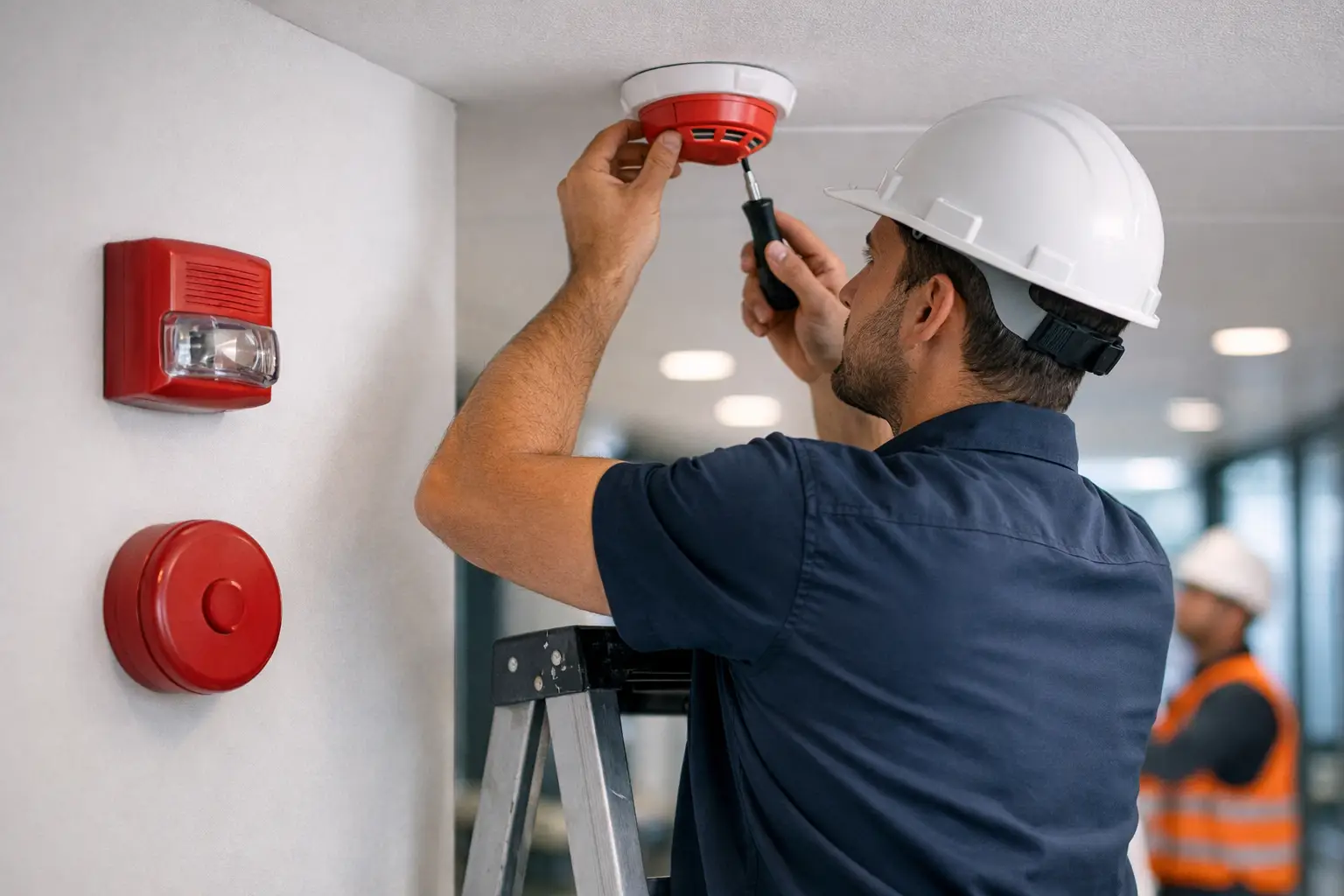
Equally important is the quality of the physical installation. In premium commercial environments, workmanship reflects the professionalism of the entire project. Clean device placement, organized cabling, properly labeled components, and tidy control equipment are not cosmetic details. They support reliability, serviceability, and confidence.
Choosing the right partner for commercial fire alarm system installation
When evaluating providers, clients should look beyond equipment brands and price comparisons. The more useful question is whether the company has the design awareness, project discipline, and service commitment to support the building over time.
That includes understanding the property’s operational needs, coordinating with other stakeholders, and standing behind the finished system with ongoing support. Fire alarm systems require inspection, testing, maintenance, and occasional modification. A provider that disappears after installation creates risk the owner will eventually have to absorb.
For clients in South Florida markets such as Boca Raton and Fort Lauderdale, where commercial properties often combine design expectations with demanding performance standards, it makes sense to work with an integration firm that values both technical precision and polished execution. Sentry Audio Video approaches projects with that mindset – combining system design, installation quality, and long-term support under one accountable team.
The long-term value of getting it right
A properly installed fire alarm system does more than satisfy a requirement. It supports safer occupancy, smoother inspections, stronger operational readiness, and greater confidence in the property itself. That is especially important for businesses that cannot afford disruption, reputational damage, or uncertainty around life-safety infrastructure.
The right installation is rarely the one that gets the least attention. It is the one that is planned carefully, executed professionally, and maintained with consistency. When a fire alarm system is treated as a core part of the building rather than a box to check, it tends to perform the way it should when it matters most.
If you are planning a new commercial project, renovating an existing space, or reassessing an aging system, take the time to look past the devices and focus on the full installation strategy. The value is not just in having a system on the wall. It is in knowing the people, property, and operations inside that building are protected by a solution built to perform.
Planning a commercial fire alarm project in South Florida? Explore Sentry’s commercial fire alarm and life-safety services for system planning, installation coordination, monitoring and continuing support.