A camera can record an incident. A properly designed virtual guard system can help identify it as it unfolds, assess whether it is a genuine threat, and put the right response in motion. For property owners who want more than after-the-fact footage, Virtual Guard Boca Raton services bring a more active layer of protection to homes, communities, offices, and commercial properties.
This approach combines professionally installed surveillance with live remote monitoring. Instead of relying solely on motion alerts or reviewing recordings after a loss, trained monitoring personnel can observe verified activity, communicate through on-site speakers when appropriate, and coordinate escalation based on the situation. The result is a security strategy designed around awareness, response, and accountability.
What a Virtual Guard System Does
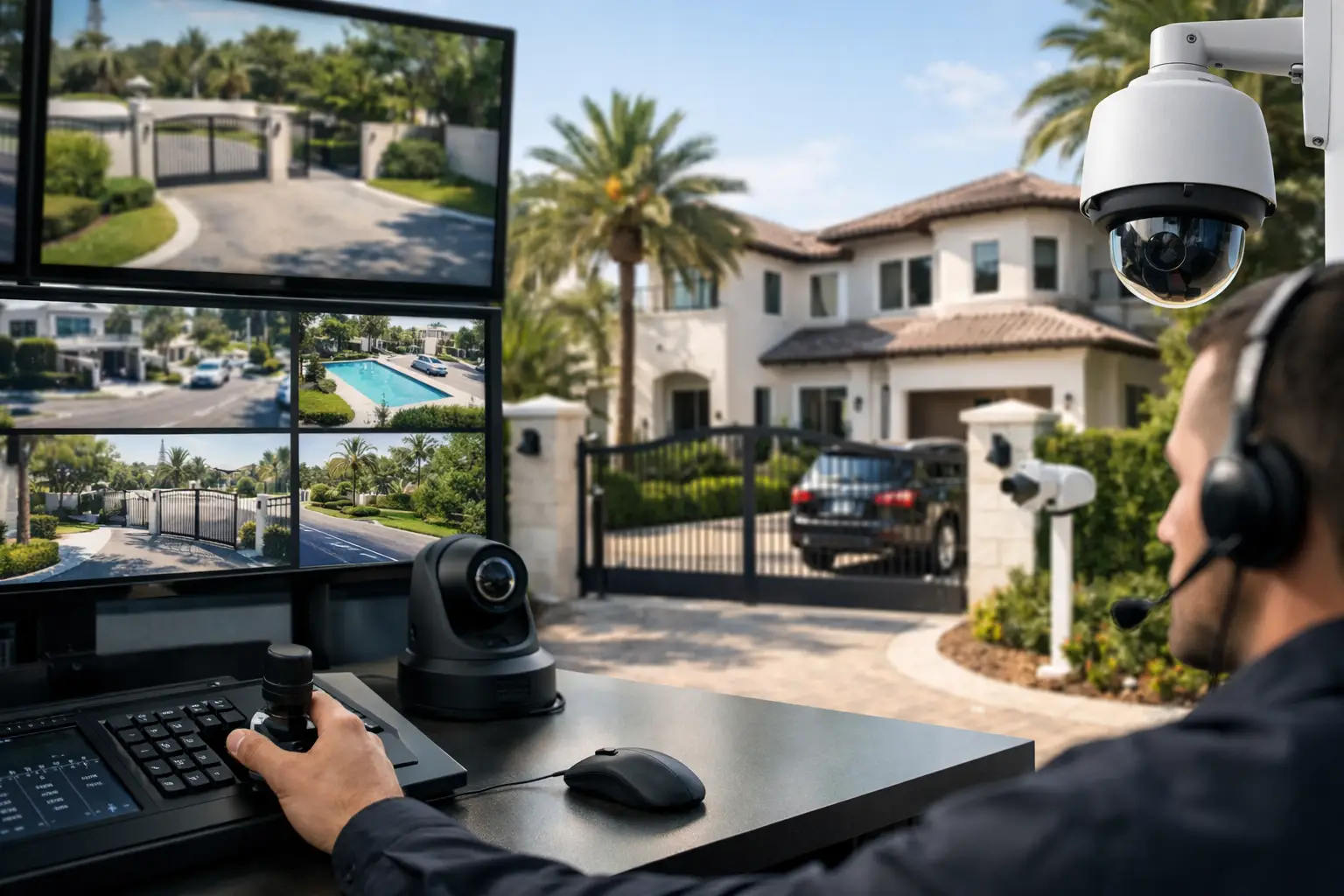
A virtual guard is not simply a camera system with an app. It is a security solution that pairs strategically placed video surveillance with a remote monitoring team. When configured correctly, the system gives trained operators visibility into key areas such as entry gates, driveways, parking areas, loading zones, lobbies, perimeters, and exterior doors.
Monitoring may be triggered by analytics, scheduled patrols, alarm events, or a combination of these methods. Advanced cameras can distinguish between people, vehicles, and general movement, reducing the number of irrelevant alerts caused by landscaping, wildlife, or changing light conditions. Once an event meets the defined criteria, an operator can review the video and determine the appropriate next step.
That next step depends on the property and the event. It may involve issuing a live audio warning, contacting a designated property representative, dispatching a patrol service, or requesting law enforcement assistance when a credible emergency exists. The purpose is not to overreact to every motion event. It is to add informed human judgment where automated notifications alone fall short.
Why Boca Raton Properties Need a More Active Approach
Boca Raton properties often have features that make thoughtful security design essential: long driveways, gated entrances, detached guest spaces, waterfront access, large outdoor living areas, multiple points of entry, and significant periods when a residence or commercial building is unoccupied. A single camera at the front door rarely provides meaningful coverage for a property with these demands.
For a homeowner, the concern may be activity near a side gate, service entrance, pool area, or vehicle court. For a business owner, it may be after-hours access, loitering, unauthorized deliveries, or activity around employee and customer parking. In both cases, a virtual guard solution can create greater visibility without requiring a physical guard to be stationed on-site at all times.
Physical guards remain appropriate for certain environments, particularly high-traffic sites, events, or properties requiring a visible presence. Virtual guarding is not a replacement in every circumstance. It is often a strong fit when a property needs continuous oversight, documented verification, and a responsive deterrent across a broad area.
Virtual Guard Boca Raton Systems Start With Better Camera Design
Remote monitoring is only as effective as the video system supporting it. If cameras are poorly positioned, exposed to glare, blocked by landscaping, or unable to capture usable detail at night, even the most capable monitoring team has limited information to work with.
A professional assessment begins with the property itself. Sightlines, lighting conditions, access patterns, network reliability, landscaping, architecture, and existing security systems all influence the plan. The objective is not to place cameras everywhere. It is to cover the areas that matter most with the right field of view and image quality.
At a residence, this may include gate approaches, driveway entries, front and secondary doors, pool access, docks, detached structures, and perimeter transition points. At a commercial site, priorities commonly include entrances, cashier or reception areas, corridors, loading areas, parking lots, dumpsters, and restricted access doors.
Camera placement also requires discretion. Premium homes and professionally maintained businesses should not look cluttered by exposed wiring or poorly mounted equipment. Clean installation practices, properly concealed cabling, and equipment selected for the environment are fundamental to a system that performs well and respects the appearance of the property.
Video Analytics Should Reduce Noise, Not Create It
Too many notifications can make a security system easier to ignore. A well-configured system focuses attention on meaningful activity rather than sending alerts for every shadow, rainstorm, or passing animal.
People and vehicle detection, virtual tripwires, intrusion zones, and scheduled monitoring rules can help create a more useful signal. For example, a commercial rear entrance may require active attention after business hours, while a residential front entry may need different rules during the day than overnight. The settings should reflect how the property is actually used.
Analytics are helpful, but they are not infallible. Camera angle, weather, lighting, and site conditions can affect accuracy. That is one reason video verification and professional system design matter. Technology should support sound decisions, not create a false sense of certainty.
The Difference Between Alerts and Verified Response
Most property owners have experienced the limitations of a basic alert. A notification appears, but the owner may be in a meeting, traveling, asleep, or unable to determine what the camera is showing. By the time footage is checked, the event may already be over.
With virtual guarding, the emphasis shifts from notification to verification. A monitoring professional can assess an event in real time and follow established response procedures. Live two-way audio can be particularly effective when a person is present on the property without authorization. A direct announcement that the area is being monitored may discourage further activity before damage or entry occurs.
Response protocols should be established before the system goes live. Property owners should know who receives notifications, what situations require a call, how emergency contacts are prioritized, and when law enforcement should be involved. For business properties, the plan should also account for employees, vendors, cleaning crews, and other approved after-hours personnel.
Clear procedures protect everyone involved. They prevent unnecessary escalation while ensuring that a legitimate threat receives attention quickly.
Integration Makes Security Easier to Manage
A virtual guard system performs at a higher level when it is designed as part of a complete security environment. Video surveillance can work alongside access control, intrusion detection, gates, intercoms, exterior lighting, and centralized control platforms.
Consider a commercial door forced open after hours. An integrated system can associate the alarm event with nearby camera views, giving the monitoring team immediate context. At a residence, a gate call station can provide video and communication at the perimeter, while cameras document activity around the approach and driveway.
The network behind the system matters as much as the visible equipment. Video monitoring depends on stable connectivity, properly configured network infrastructure, secure remote access, and adequate bandwidth. Poor network planning can lead to delayed video, unreliable recordings, or access problems at the moment they matter most.
As a full-service technology integrator, Sentry Audio Video approaches surveillance as part of the property’s broader infrastructure. That means considering security, network performance, communications, and control together rather than treating each system as an isolated installation.
Questions to Ask Before Choosing Remote Monitoring
Before moving forward, property owners should clarify exactly what the service includes. Not every monitored camera system offers the same coverage, response procedures, or operating hours. Ask whether monitoring is event-driven, scheduled, or continuous; how events are verified; whether live audio is available; and what documentation is provided after an incident.
It is also wise to discuss camera retention, user access, maintenance expectations, and the process for updating contacts or response instructions. A security plan should evolve with the property. A renovation, new gate layout, additional tenant, changed business hours, or seasonal occupancy pattern may require adjustments to coverage and rules.
Privacy deserves careful consideration as well. Cameras should be positioned to protect the property without intruding on areas where monitoring would be inappropriate. Businesses should establish clear policies for employee-facing cameras and comply with applicable requirements. A professional design team can help define purposeful coverage while respecting those boundaries.
Build a Security Plan Around How Your Property Operates
The strongest virtual guard strategy is not built from a generic equipment list. It begins with the questions that matter: Where are the most likely access points? When is the property most vulnerable? Who needs to be notified? What action should occur when a threat is verified?
For Boca Raton homeowners and business owners, remote monitoring can add confidence without adding complexity to daily life. When surveillance, network infrastructure, audio communication, and response procedures are designed to work together, the system becomes more than a collection of cameras. It becomes a dependable layer of protection that is ready to respond when the property needs attention.