A luxury residence can have exceptional finishes and still feel incomplete if its technology is scattered across remotes, apps, and disconnected systems. So, how much does a luxury smart home cost in Boca Raton in 2026? For professionally designed and installed integration, most projects fall between $150,000 and $500,000. Larger waterfront estates, major renovations, and properties with extensive security, entertainment, shading, and outdoor requirements can exceed $1 million.
Those figures cover integrated technology, not the purchase price of the home. The final investment depends less on square footage alone and more on what the home needs to do, how many spaces are involved, and how early technology is incorporated into the design and construction process.
What a Luxury Smart Home Investment Covers
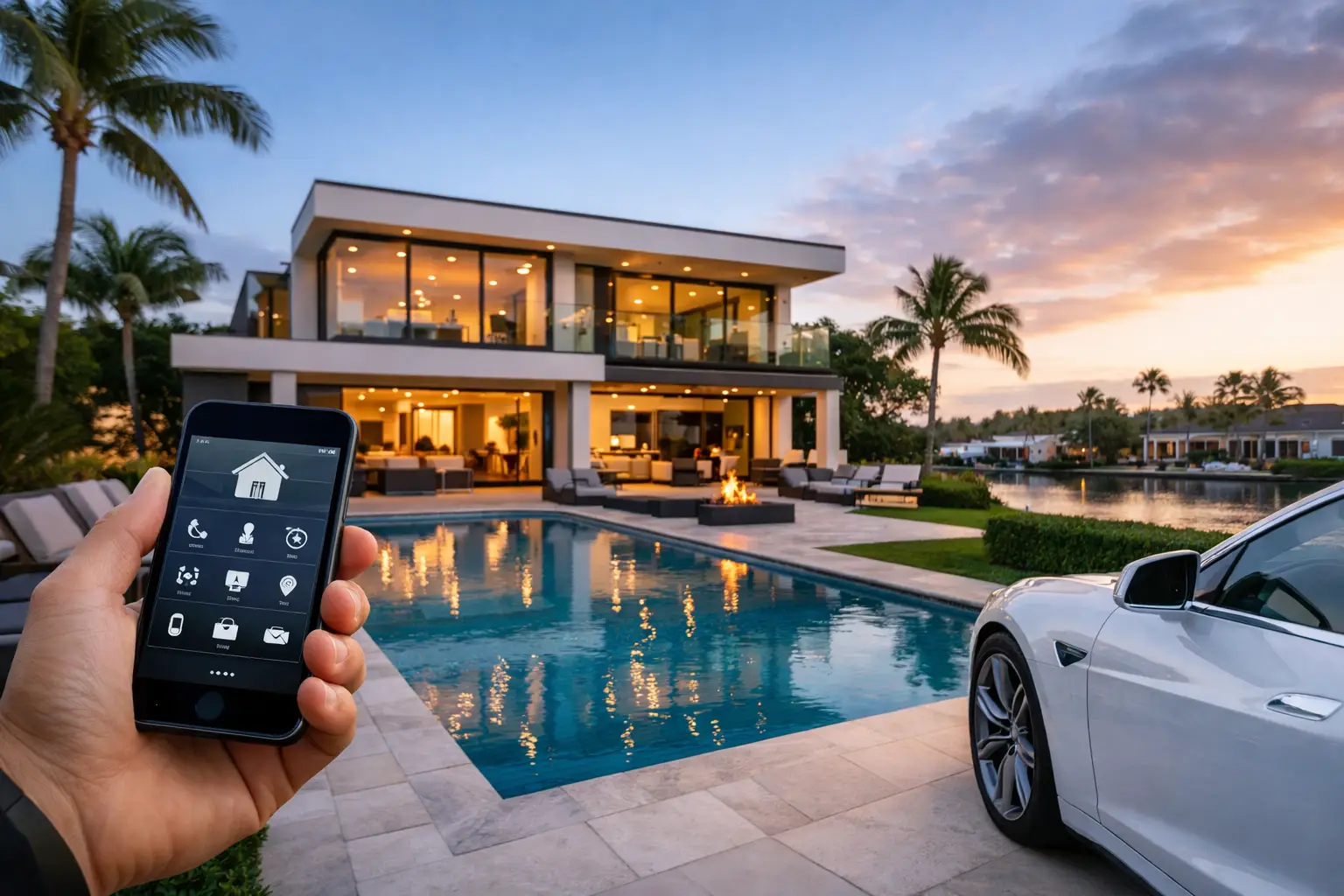
A true smart home is not a collection of individual devices. It is a professionally engineered environment where lighting, motorized shades, entertainment, climate control, surveillance, access control, network infrastructure, pools, and outdoor spaces operate through a consistent control experience.
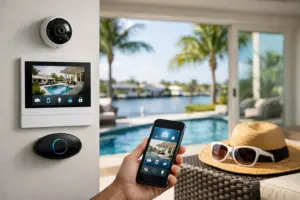
In a Boca Raton residence, that often means a wall-mounted keypad that sets the right lighting and shading for dinner, a single app that manages audio throughout the home and patio, and security notifications that are meaningful rather than overwhelming. It may also include dedicated theater spaces, hidden speakers, weather-rated outdoor displays, gate access, camera coverage, and structured wiring designed to support the property long after construction is complete.
The installed price includes much more than equipment. System design, engineering, programming, rack fabrication, wiring, trim-out, calibration, documentation, installation labor, project coordination, and post-installation support all contribute to the result. Premium integration is measured by how reliably the system performs every day, not by how impressive a product list looks on paper.
Luxury Smart Home Cost Ranges in Boca Raton
Every property requires a custom proposal, but these ranges provide a realistic starting point for 2026 planning.
A focused luxury project, typically $75,000 to $175,000, may suit a condominium, townhome, or a residence receiving targeted upgrades. This level can include whole-home audio in key areas, a high-performance network, distributed video, surveillance, entry control, lighting control in selected rooms, and motorized shades in principal spaces. It is often the right scope for owners who want central control and polished performance without automating every room.
A whole-home integration project generally ranges from $200,000 to $500,000. This is common for substantial Boca Raton renovations and new homes where technology is planned alongside interiors. The scope may include comprehensive lighting and shade control, whole-house audio and video, multiple entertainment zones, a dedicated theater or media room, outdoor entertainment, surveillance, gate and access integration, network infrastructure, and centralized control throughout the property.
For expansive estates, expect $500,000 to $1 million or more. These projects can involve dozens of lighting loads and shades, extensive landscape and pool-area integration, multiple racks, redundant network design, sophisticated surveillance coverage, guest house technology, dedicated theater engineering, and detailed coordination with architects, interior designers, builders, and landscape teams. Oceanfront and waterfront properties may also demand more specialized planning for large outdoor areas and demanding environmental conditions.
These are planning ranges, not fixed packages. A 6,000-square-foot home with a theater, pool pavilion, and comprehensive shades can require more integration than a much larger residence with a narrower technology scope.
The Major Drivers Behind the Final Price
The number of controlled zones is one of the most significant variables. A home with lighting control in a few public rooms is very different from one with keypads, dimming, automated shades, and scene programming throughout bedrooms, baths, hallways, closets, entertaining areas, and exterior spaces.
Entertainment requirements also have a major effect. A refined whole-home audio system may include discreet architectural speakers in living areas, bedrooms, patios, and pool spaces. Video distribution adds another layer, allowing sources and content to be accessed where needed without visible components in every room. A dedicated theater introduces further costs for acoustic treatment, projection or large-format display technology, surround sound, specialized seating coordination, control, and calibration.
Security is equally variable. A concise camera system covering entry points is different from a comprehensive property-wide solution with perimeter coverage, gates, driveway analytics, recording infrastructure, video intercoms, and remote access. For families who travel seasonally or own multiple residences, dependable remote visibility and thoughtful alert programming can be especially valuable.
Motorized shades deserve early attention. Their cost is influenced by window count, size, fabric selection, privacy needs, mounting conditions, and control integration. Boca Raton homes with dramatic glass walls, high ceilings, and west-facing entertaining spaces frequently benefit from a shading plan that protects interiors, reduces glare, and preserves views without asking the homeowner to manage each window separately.
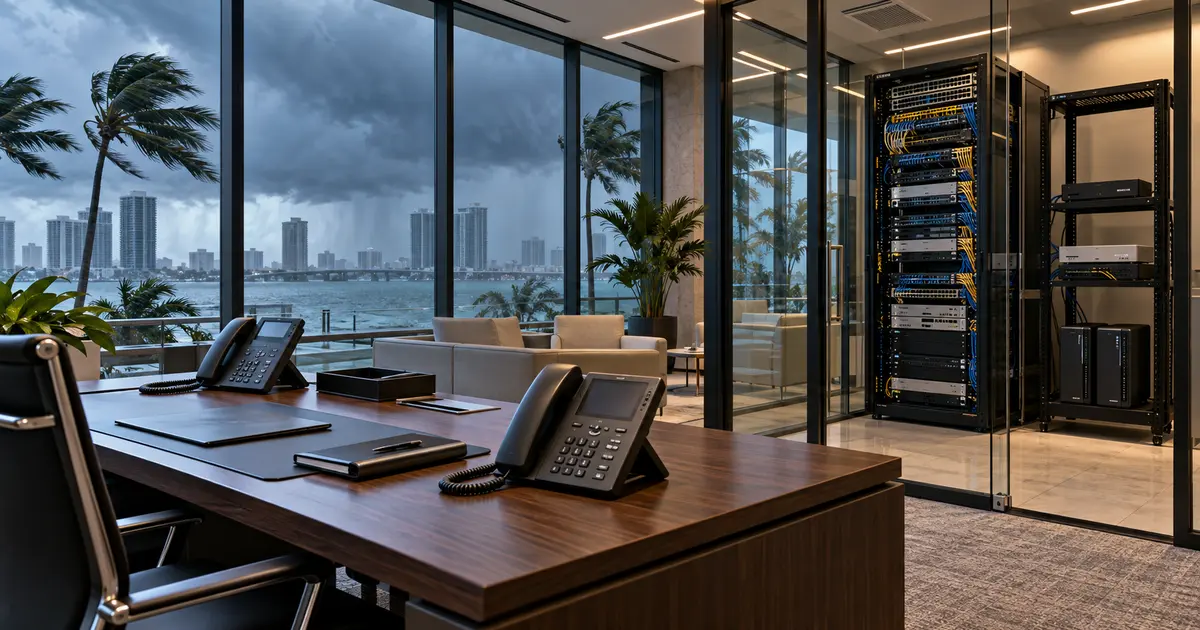
Finally, infrastructure matters. Structured cabling, enterprise-grade Wi-Fi, equipment racks, power management, and network security are the foundation of the entire system. When this work is integrated during construction, the finished home can remain visually clean while supporting high-bandwidth entertainment, reliable video surveillance, and responsive control.
Why New Construction and Renovations Price Differently
Technology is easiest to install when the walls are open and the project team is coordinating early. In a new build or full renovation, wiring pathways, equipment locations, speaker placements, shade pockets, keypad locations, and display mounts can be planned before finishes are finalized. This creates a cleaner installation and reduces compromises later.
A completed home can absolutely be upgraded, but the approach must respect finished surfaces, millwork, stone, and architectural details. In some cases, wireless control solutions and carefully selected pathways can reduce disruption. In others, the desired scope may require selective access work or adjustments to the original plan. The practical question is not whether integration can be added later, but which features should be designed into the property now to avoid limiting performance or aesthetics.
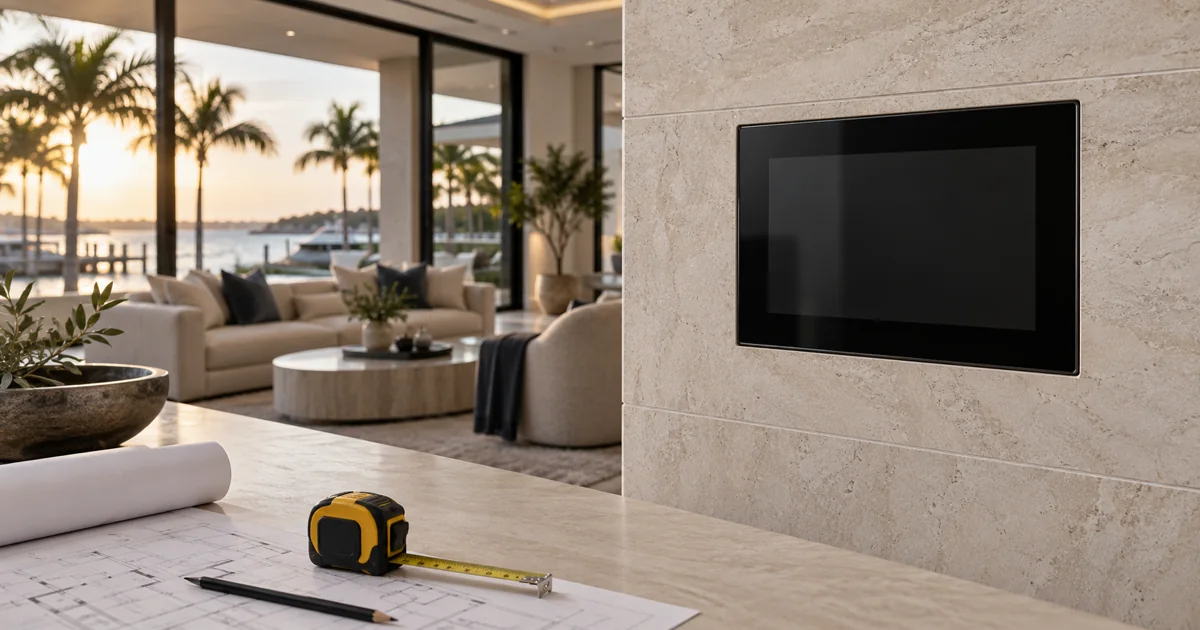
For a luxury home, early coordination also protects the interior design. Speaker grilles can align with ceiling details. Keypads can be chosen to complement wall finishes. Technology racks can be located away from living spaces while remaining serviceable. Displays, cameras, and outdoor equipment can be placed with intention rather than becoming afterthoughts.
How Much Should You Allocate to Each System?
Rather than assigning a flat percentage to technology, start with the experiences that matter most to your household. A family that entertains outdoors may place more emphasis on patio audio, pool integration, landscape zones, and outdoor video. A homeowner who travels frequently may prioritize surveillance, access control, remote monitoring, and dependable network performance. A film enthusiast may invest more heavily in a theater that is engineered for picture quality, sound, and comfort.
As a broad planning approach, infrastructure, lighting and shading, entertainment, security, and control should be evaluated together. Treating them as separate purchases often creates duplicate labor, inconsistent user experiences, and avoidable coordination issues. A unified design allows one system to support another, such as using an arrival scene to adjust lighting, open selected shades, disarm the appropriate area, and start audio in the kitchen or patio.
It is also wise to identify what must be included now versus what can be prepared for future expansion. Prewiring a guest house, cabana, additional shade locations, or a future theater can preserve options without forcing every decision before the home is ready.
Questions to Ask Before Approving a Proposal
The most useful proposal is not necessarily the lowest initial number. It should clearly explain what is included, how the system will be controlled, where equipment will be located, and who will support the property after installation. Ask whether the design accounts for network capacity, remote service, future expansion, and coordination with other trades.
You should also understand the difference between a product quote and a complete installed solution. A complete solution includes the programming, commissioning, calibration, and final walkthrough required to make the technology intuitive for the people living in the home. It should account for the details that affect long-term satisfaction, from Wi-Fi coverage on a waterfront patio to a camera view that captures the right angle at the gate.
For Boca Raton homeowners, the strongest starting point is a detailed consultation before finishes and construction decisions become permanent. Sentry Audio Video approaches each project as a complete system, with the design discipline and ongoing accountability needed for technology that performs as beautifully as the home around it.