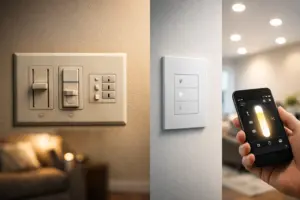
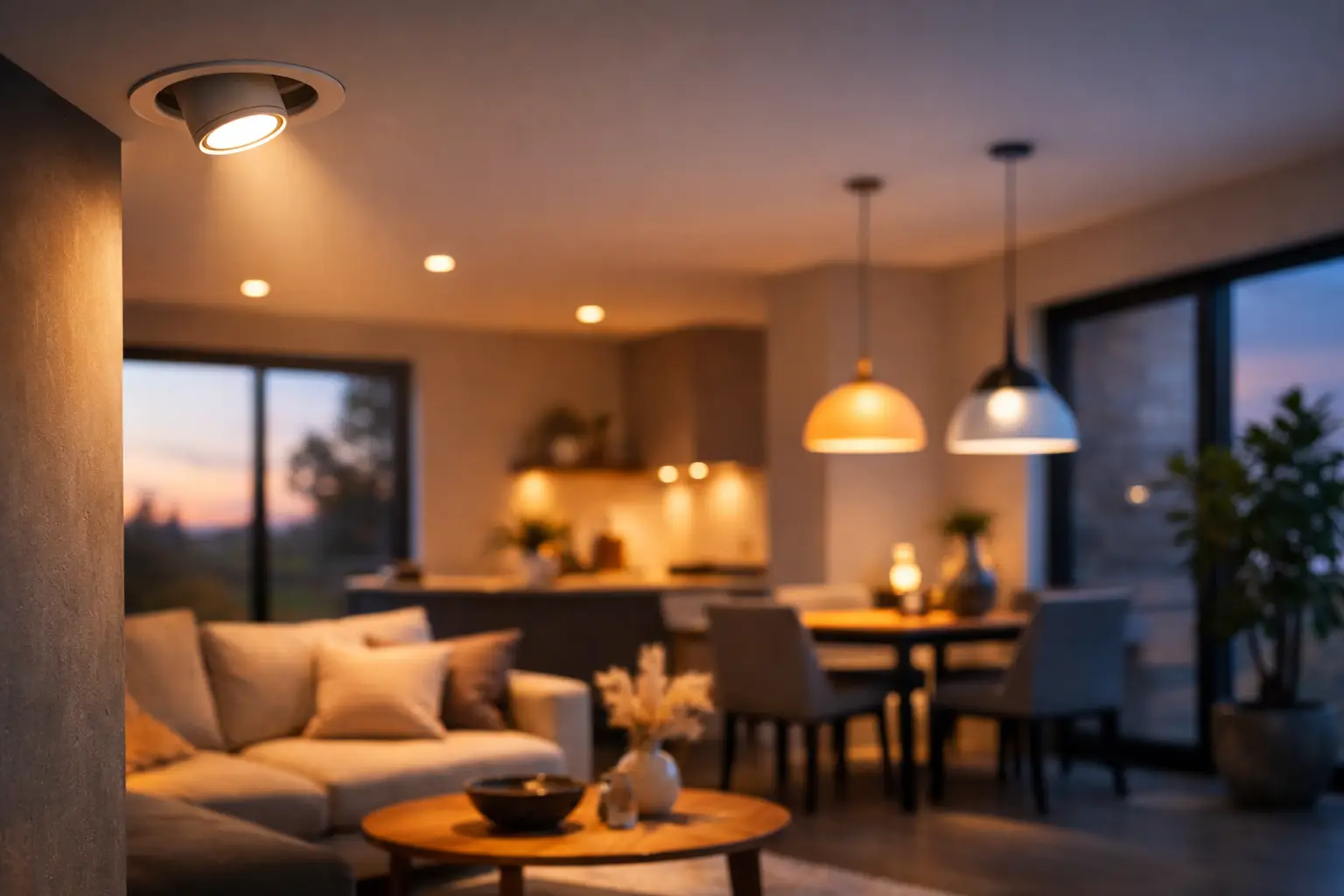
A room can have exceptional millwork, stone, furnishings, and artwork, yet still feel flat when the lighting is limited to one color temperature and a standard dimmer. Ketra lighting changes that equation. It gives homeowners and designers precise control over the color, intensity, and quality of light, allowing a space to look intentional from early morning through late evening.
For a high-end residence, lighting is not simply a finishing touch. It shapes how architecture reads, how colors appear, and how comfortable people feel in the rooms they use most. Ketra is designed for projects where those details matter and where the lighting system must perform as part of a larger, professionally integrated home.
What Makes Ketra Lighting Different?
Ketra is a premium intelligent lighting solution from Lutron, built around high-quality LED fixtures and sophisticated control. Rather than producing a fixed shade of white light, Ketra fixtures can tune across a broad spectrum of white light and deliver saturated color when the design calls for it. The result is lighting that can shift with the day, support a specific activity, or create a tailored atmosphere for entertaining.
The visible difference is often most apparent in the details. Fine artwork can appear more dimensional. Warm wood finishes can retain their richness after sunset. A kitchen can feel clear and energizing in the morning, then become softer and more relaxed when the day winds down. This is not about filling a room with colorful effects. It is about giving light the same level of consideration as the rest of the interior design.
Ketra is also known for exceptionally smooth dimming. Many conventional LED installations lose warmth, consistency, or visual comfort at low levels. A well-designed Ketra system maintains a refined appearance as the light lowers, helping rooms feel inviting rather than overly bright or abruptly dark.
Tunable White Light That Follows the Day
One of Ketra’s defining capabilities is tunable white light. The system can be programmed to provide cooler, more energizing light earlier in the day and gradually transition toward warmer light in the evening. This approach, often called natural light tuning, aligns the interior environment more closely with the changing character of daylight.
The right schedule depends on the home and the household. A family preparing for school and work may prefer a crisp, brighter morning scene in the kitchen and bathrooms. A waterfront residence used primarily for evenings and weekends may prioritize warm, flattering illumination in living and entertaining areas. The value lies in customization, not a one-size-fits-all preset.
Accurate Color Where It Counts
Color rendering is another reason Ketra is specified for luxury homes. High-quality light helps materials look closer to how they were intended to appear. This matters in art galleries, wine displays, dressing rooms, kitchens with layered finishes, and spaces with carefully selected textiles and wall coverings.
It is also useful for art lighting. Instead of settling for a generic fixture output, a designer can tune lighting to complement a particular collection and adjust it as displays change. Proper fixture placement and beam control remain essential, but Ketra gives the lighting plan far more precision than a static source.
Where Ketra Delivers the Most Value
Ketra is not necessarily the right answer for every fixture in every property. Its strongest value is in areas where visual quality, changing scenes, and elevated control make a meaningful difference.
In a great room, Ketra can establish distinct settings for morning coffee, everyday living, a movie night, or a formal gathering without changing the character of the space. In kitchens, it can support bright task lighting at counters while allowing pendants and architectural accents to become warmer at night. In primary suites, gentle low-level lighting can make late-night movement more comfortable while preserving a calm atmosphere.
Art walls and gallery corridors are natural applications because the lighting can be tailored to the collection rather than treated as an afterthought. Dining rooms benefit as well. Warm, controlled lighting helps set the tone for a dinner party, while a brighter scene can support setup and service beforehand.
For coastal properties in South Florida, the ability to balance strong daytime daylight with refined evening interiors is particularly compelling. Large glass openings create dramatic views, but they also make the transition from day to night more noticeable. A carefully programmed lighting system helps the home remain visually balanced after the sun goes down.
Ketra Lighting Works Best as Part of a Complete System
A Ketra installation should be designed alongside the home’s shading, lighting controls, keypads, and architectural plans. That coordination is what turns capable fixtures into a dependable daily experience.
Motorized shades can manage glare and privacy during the day while lighting scenes respond as natural light changes. Elegant wall keypads can offer immediate control without requiring anyone to reach for an app. A centralized control platform can bring together lighting, shades, climate, audio, and security under a consistent interface.
For example, a “Good Evening” scene might lower shades, shift common-area lights to a warm level, illuminate selected art, and prepare outdoor entertaining areas. A “Night” scene can turn off unnecessary lighting, leave pathway illumination at a comfortable level, and support the home’s security strategy. The technology should feel simple because the complexity has been handled during design and programming.
Fixture Selection Still Matters
Ketra offers different fixture types, including recessed downlights, track lighting, lamps, and specialty options. Each choice affects the final result. Ceiling height, beam angle, trim finish, ceiling material, furniture layout, and what the light is intended to illuminate all influence the specification.
A recessed fixture placed solely on a reflected ceiling plan may provide light, but it may not flatter the wall art, countertop, or architectural texture beneath it. Conversely, too many fixtures can make a refined room feel visually busy. A successful plan uses layers: ambient illumination for overall comfort, task lighting for function, and accent lighting for depth and emphasis.
This is why lighting design should begin early, ideally before ceilings are closed and millwork details are finalized. Early coordination protects sightlines, supports clean trim alignment, and ensures infrastructure is in place for the intended control system.
What to Consider Before Choosing Ketra
Ketra is a premium architectural lighting solution, and it should be evaluated with the same discipline as custom cabinetry, window treatments, or a dedicated home theater. The project requires thoughtful fixture planning, control programming, commissioning, and long-term support.
Its strongest benefits are most evident when the homeowner values visual comfort, flexible scene control, and accurate presentation of finishes and art. If a room only needs basic on-and-off illumination, the added capability may not be necessary. Many successful projects use Ketra strategically in primary living spaces, entertaining areas, and visually important zones while selecting other architectural lighting solutions elsewhere.
Wireless connectivity and system layout also deserve professional attention. Fixture locations, device placement, construction materials, and the scale of the property can all affect system performance. The goal is not merely to install fixtures that communicate, but to create a reliable lighting environment that responds consistently every day.
The Difference Is in Design, Programming, and Support
The most impressive lighting hardware can still disappoint when it is poorly specified or programmed with generic scenes. A polished result starts with understanding how the property is used: when people wake, where they gather, which rooms display art, how often the home is occupied, and what should happen with a single button press.
At Sentry Audio Video, that process is approached as a complete integration project. Lighting is coordinated with the broader technology plan so controls are intuitive, equipment is installed cleanly, and the finished system performs as expected. Just as important, the system can be refined after move-in as homeowners learn which scenes and settings best suit their routines.
Ketra lighting is not about making a home feel overly automated. It is about making light feel considered. When the design is right, the experience is subtle: rooms look better, transitions feel more natural, and the technology stays quietly in the background where it belongs.