A beautiful smart home can quickly become frustrating when the technology does not behave as one coordinated system. Lights respond inconsistently, rooms disappear from touchscreens, a theater routine fails at the wrong moment, or a new device disrupts controls that once worked perfectly. A Control4 Certified Programmer is the specialist responsible for turning a collection of premium technologies into an intuitive, dependable experience built around the way you live or operate.
For homeowners and business owners investing in integrated audio/video, lighting, shades, security, climate, and networking, programming is not a finishing touch. It is the layer that determines whether the system feels polished every day or requires constant workarounds. The quality of that work deserves the same attention as the equipment selection and physical installation.
What a Control4 Certified Programmer Actually Does
Control4 provides a powerful platform for centralized control, but every property has its own layout, equipment, routines, and priorities. A certified programmer configures the system so those details work together logically. This includes organizing rooms and devices, creating custom interfaces, establishing automations, setting up scenes, integrating compatible third-party products, and testing the system under real-world conditions.
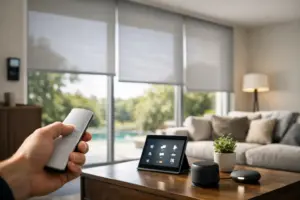
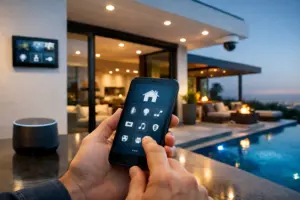
In a South Florida residence, for example, one touch might prepare an outdoor living area for an evening gathering: activate selected lighting, start music in the patio and pool zones, adjust motorized shades, and present the appropriate source controls on a touchscreen. In a commercial environment, an opening routine may prepare displays, distributed audio, lighting, and communications for staff before guests arrive.
The programming behind these experiences must account for how people actually use each space. A family room does not need the same controls as a formal theater. A conference room requires a different workflow than a restaurant dining area. The goal is not to place every possible command on a screen. It is to make the right controls easy to find and dependable to use.
Why Certification Matters in a Control4 Programmer
A Control4 Certified Programmer has training and platform-specific knowledge that goes beyond connecting devices and confirming that they appear online. They understand the Control4 ecosystem, approved integration methods, controller capabilities, device drivers, system updates, and the programming environment used to configure advanced installations.
That expertise matters because integrated properties contain dependencies. A lighting scene may interact with shades. A video source may depend on an audio processor, a matrix switch, network communication, and the correct room settings. Surveillance notifications, intercom functions, access control, and climate controls can also be part of the same user experience. When one adjustment is made without understanding the broader system, unexpected issues can follow.
Certification is not a promise that every project is identical or that every request can be accommodated by every product. Some integrations depend on compatible equipment, manufacturer support, licensing, network conditions, and the age of the existing system. What certification provides is a disciplined foundation for evaluating those variables and designing the most reliable path forward.
Programming Is Where Custom Design Becomes Personal
Two homes can use similar equipment and feel completely different to operate. That difference often comes down to programming decisions made before and after installation.
A thoughtful programmer begins with questions that are practical, not theoretical. Which rooms should be grouped for music? Who needs access to security controls? Should overnight lighting be subtle and limited to safe pathways? What should happen when the property is placed in away mode? Which functions belong on a wall keypad, and which should remain available only through an authorized touchscreen or mobile interface?
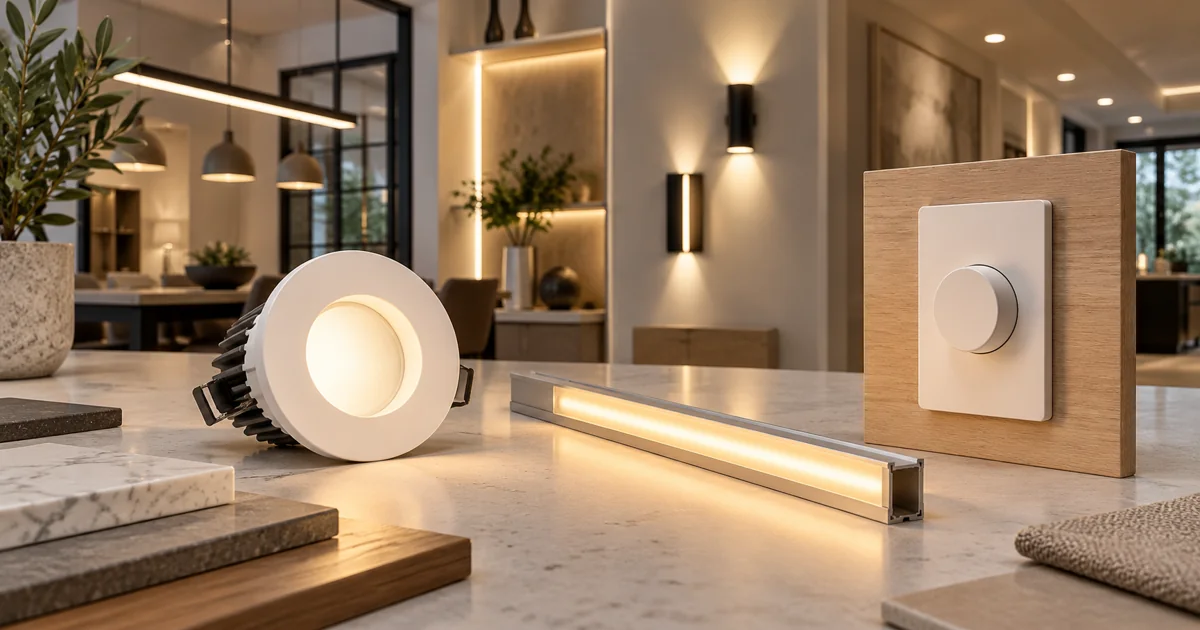
The answers shape the experience. A properly designed system can give a homeowner a single Goodnight command that turns off selected entertainment zones, adjusts lights, lowers shades where desired, and arms the appropriate security settings. It can also provide individual control when someone wants to watch a movie in one room while another part of the home remains active.
For businesses, programming should support consistency and accountability. A manager may need simple opening and closing controls, while authorized personnel require access to cameras, door stations, or building-wide announcements. The interface should reduce confusion for staff instead of requiring them to memorize a complicated sequence of remotes and apps.
The Network Is Part of System Performance
Many control issues that appear to be programming problems are rooted in network design. Control processors, touchscreens, wireless devices, streaming sources, surveillance cameras, and other connected components depend on a properly planned IT foundation.
A qualified integration team evaluates network coverage, wired connections, equipment placement, traffic demands, and remote service requirements as part of the overall project. This is especially relevant in larger homes, properties with detached spaces, waterfront layouts, concrete construction, and businesses with multiple operational areas. A strong control program cannot compensate indefinitely for unreliable communications between devices.
This is also why a programmer should work closely with the installation and network teams. Programming is most effective when it reflects the physical system, the infrastructure supporting it, and the client’s intended use from the beginning. Treating each piece as a separate project can create gaps in performance and responsibility.
What to Expect During a Professional Programming Process
The most dependable results come from a process that starts well before the final walkthrough. During design, the integrator should identify the systems that will be controlled, clarify priorities for each space, and document the desired user experience. This prevents the project from becoming a series of last-minute additions that complicate operation later.
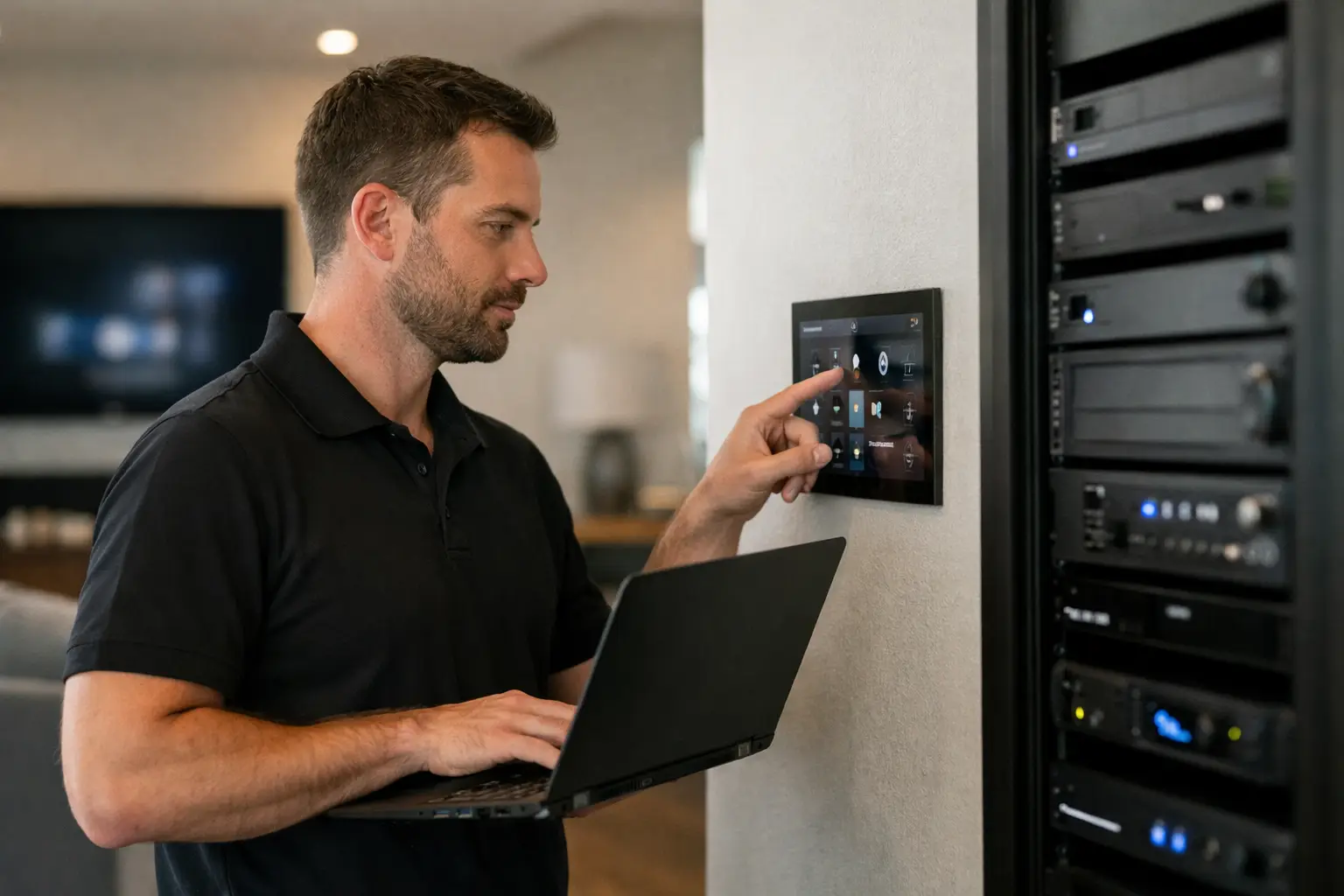
Once installation is underway, the programmer configures devices, control paths, interfaces, scenes, and automations. Then comes the work that clients may not see but quickly appreciate: testing room by room, verifying source switching, confirming audio behavior, checking response times, and making sure controls act predictably after power cycles or network changes.
The final programming phase should include client orientation. Even the most sophisticated technology should be approachable. Clients should understand everyday controls, key scenes, user access, and the process for requesting future refinements. A good programmer also leaves room for reasonable adjustment after the system has been used in real life. Families change routines, businesses change operations, and properties evolve.
Questions Worth Asking Before You Choose a Programmer
When evaluating an integrator, ask whether the person programming the system is Control4 certified and actively works with the platform. Ask how the team approaches third-party integration, system documentation, software updates, and future service. It is also reasonable to ask who will be responsible if a control issue involves audio/video, networking, lighting, or security rather than a single device.
Look for clear answers about handoff and support. A custom control system should not leave you guessing which vendor to call when something needs attention. The strongest partners take ownership of the complete experience, coordinate across technologies, and communicate plainly about what is possible, what requires additional hardware or services, and what may carry limitations.
For an existing Control4 installation, an assessment is particularly valuable. Older systems may need updates, improved networking, revised interfaces, replacement components, or a review of legacy integrations. In some cases, a targeted programming refresh restores a much better experience. In others, the right recommendation may be a phased modernization plan that protects the investment while addressing the areas affecting daily use.
A Better Experience Is Measured in Daily Use
The value of professional programming is rarely about showing off a long list of commands. It is about small moments that work the first time: starting a movie without juggling controls, managing music across indoor and outdoor spaces, checking an entry point from a touchscreen, or closing down a business with confidence at the end of the day.
Sentry Audio Video approaches Control4 projects as complete technology environments, not isolated products. That means aligning custom programming with clean installation, dependable infrastructure, premium equipment, and ongoing service. For a new build, renovation, or existing-system upgrade, the right programmer helps ensure that advanced control remains simple where it matters most: in the moments you use it.