A camera system should not require someone to scroll through hours of footage to find the moment that matters. Whether the concern is a delivery at a gated residence, activity near a pool area, an after-hours entry point, or movement around a commercial property, video analytics helps turn surveillance from a passive recording tool into a more responsive security system.
Video analytics uses software intelligence to evaluate what a camera sees. Instead of treating every motion event the same, the system can be configured to recognize relevant activity, classify objects, define protected areas, and send alerts when established conditions are met. The result is not simply more notifications. When designed correctly, it is better information delivered at the right time.
What Video Analytics Actually Does
Traditional motion detection reacts to pixel changes within a camera image. A swaying palm tree, headlights passing across a driveway, rain, shadows, or an animal moving through the frame can all trigger an alert. That approach may capture activity, but it often creates enough false notifications that users begin ignoring them.
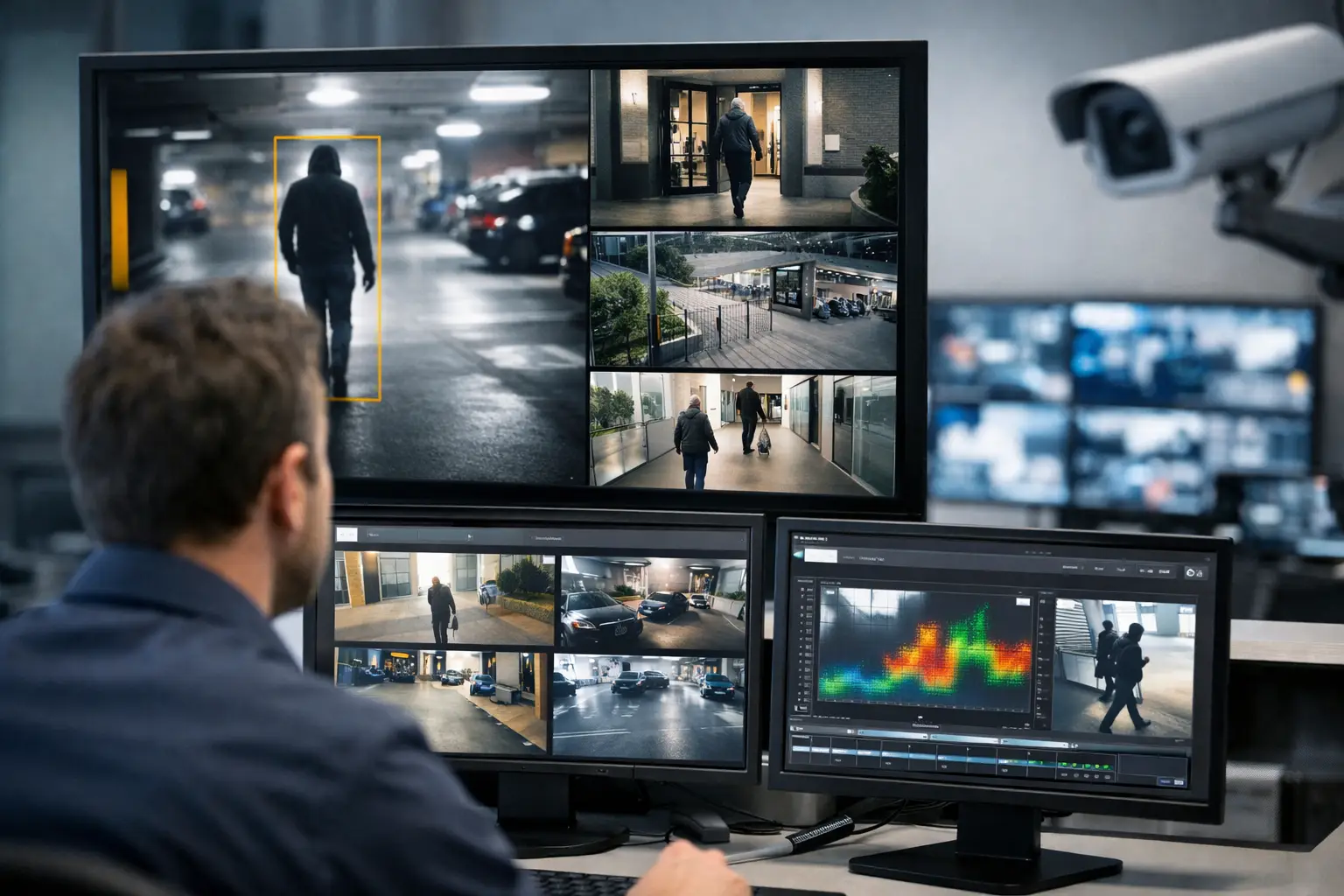
Video analytics adds context. Depending on the camera platform and the goals of the installation, it can distinguish between people, vehicles, animals, and other objects. It can identify a person entering a defined zone, a vehicle crossing a virtual line, or an object remaining in a location longer than expected. The system can then record, flag, or notify authorized users based on those events.
For a homeowner, that may mean receiving an alert when a person approaches a side gate while ignoring routine activity on the street. For a business owner, it may mean knowing when a vehicle enters a service entrance after closing or when someone accesses a restricted corridor. The footage remains available, but the system helps bring significant events to the surface faster.
The technology is valuable because security decisions are often time-sensitive. A meaningful alert can prompt a homeowner to check a live view, contact a family member, or notify property staff. At a business, it can help management review a situation while it is still current, preserve relevant evidence, and direct the appropriate response.
Video Analytics Depends on Camera Design
Analytics are only as effective as the video feeding them. A camera with a poor angle, inadequate lighting, excessive glare, or an overly broad field of view may not produce the detail required for reliable event classification. Adding analytics to a poorly planned surveillance system does not correct the underlying design issue.
Camera placement should begin with the question: what needs to be seen, identified, and documented? A camera covering an entry gate has a different purpose than one monitoring a waterfront perimeter, a lobby, a parking area, or a point-of-sale environment. Each location calls for deliberate attention to height, viewing angle, lens selection, lighting conditions, and potential obstructions.
In South Florida, environmental conditions deserve particular consideration. Bright sun, sudden storms, reflective surfaces, lush landscaping, and coastal exposure can all affect camera performance. A professionally designed system accounts for these conditions from the start, using equipment and placement strategies suited to the property rather than relying on a one-size-fits-all layout.
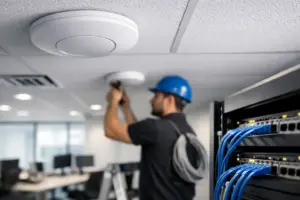
Network infrastructure matters as well. High-resolution cameras and continuous recording place real demands on a network and storage system. Proper cabling, switching, power management, recording capacity, and remote-access configuration help ensure that live video and recorded evidence are available when needed. A premium surveillance experience is built around the complete system, not just the cameras mounted on the wall.
Useful Analytics Start With Clear Rules
The strongest analytics installations are tailored to how a property is used. A busy front driveway should not be configured like a private staff entrance. A retail storefront has different activity patterns than a medical office, restaurant, luxury residence, or multi-building estate.
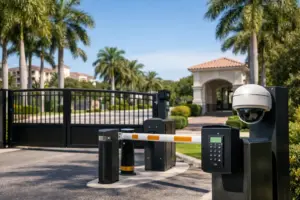
Virtual tripwires and intrusion zones are common examples. A virtual tripwire can create an event when a person or vehicle crosses a specified line in a chosen direction. An intrusion zone can trigger when an object enters or remains inside a defined area. These tools can be effective around gates, pool enclosures, rear access paths, loading areas, and other locations where activity should be more controlled.
Object classification is equally important. Filtering for people or vehicles can reduce alerts caused by wildlife, weather, and landscape movement. However, settings should be tested in real conditions. If sensitivity is too aggressive, the system may generate unnecessary alerts. If it is too restrictive, an event that matters may not be flagged. The right configuration is a balance between awareness and noise.
Where Video Analytics Delivers the Most Value
Analytics can enhance nearly any professionally installed surveillance system, but it is particularly valuable when there are clear areas of concern or limited staff available to watch live video.
At a residence, this can include perimeter gates, front doors, side yards, detached garages, docks, pool areas, and outdoor entertaining spaces. In larger homes, analytics can help separate everyday activity from events that warrant immediate attention. It also supports a more practical remote-viewing experience for owners who travel or manage multiple properties.
In commercial settings, analytics is often used to support after-hours monitoring, employee and visitor safety, property protection, and operational oversight. A business may want alerts around a rear door, a loading zone, a server room entrance, or a restricted storage area. Property managers may benefit from better visibility across common areas, parking lots, and access points without asking staff to constantly monitor screens.
There are limits to keep in mind. Video analytics is not a replacement for sound security practices, trained personnel, access control, or appropriate response procedures. It is also not infallible. Heavy weather, blocked views, unusual lighting, crowded scenes, and camera tampering can affect performance. The goal is to create an additional layer of awareness, supported by dependable equipment and professional system design.
Privacy Should Be Part of the Plan
More capable surveillance requires thoughtful privacy planning. Camera views should focus on the property, entrances, and areas with a legitimate security purpose. They should not be aimed into neighboring private spaces or locations where people have a reasonable expectation of privacy.
A quality installation can also use privacy masking to block designated portions of an image from view or recording. Access to cameras, recordings, and alerts should be limited to authorized users, with secure credentials and clearly defined permissions. Businesses should consider applicable notice requirements and establish internal policies for who can review footage and how long it is retained.
These decisions protect more than compliance. They build trust with family members, employees, guests, tenants, and visitors. The most effective security systems provide useful visibility while respecting the boundaries of the people around them.
Integrating Analytics With the Rest of the Property
Video analytics becomes even more useful when it works alongside other integrated systems. A verified event at a gate can prompt a notification on a control interface. A person detected at a commercial entry after hours can bring up the relevant camera view for an authorized manager. Surveillance, access control, lighting, communications, and network infrastructure can be designed as coordinated components rather than isolated systems.
That coordinated approach also makes the experience easier to manage. Instead of dealing with multiple apps, disconnected camera systems, and inconsistent notifications, property owners can have a clearer path to viewing and responding to events. The exact level of integration depends on the property, security priorities, and daily routines, but the design should always serve the people using it.
Sentry Audio Video approaches surveillance as part of a complete technology plan, from system design and clean installation through configuration, testing, and ongoing support. The right analytics strategy begins with a site review and a direct conversation about what activity matters most at your home or business.
A well-planned system should leave you with fewer distractions, stronger visibility, and greater confidence in the moments that deserve your attention.