A wall of glass can make a home feel extraordinary, until afternoon glare overtakes the room, furnishings fade in direct sun, and privacy becomes an afterthought. Why Motorized Window Shades Are a Must-Have for Modern Smart Homes is no longer a question of novelty. For homeowners investing in custom automation, shades are one of the most practical ways to make every room more comfortable, protected, and responsive.
Unlike a standalone window treatment, professionally integrated motorized shades work as part of the home. They can respond to a schedule, a keypad command, occupancy, daylight, or a whole-home scene that also adjusts lighting, entertainment, and security. The result is a property that looks polished while performing better throughout the day.
Motorized Window Shades Solve Everyday Friction
The value of motorized shades often becomes most obvious in the moments homeowners deal with every day. A bright morning in the kitchen, intense sun on a west-facing media room, or the need to close multiple shades before leaving for the evening should not require moving room to room and adjusting cords or wands by hand.
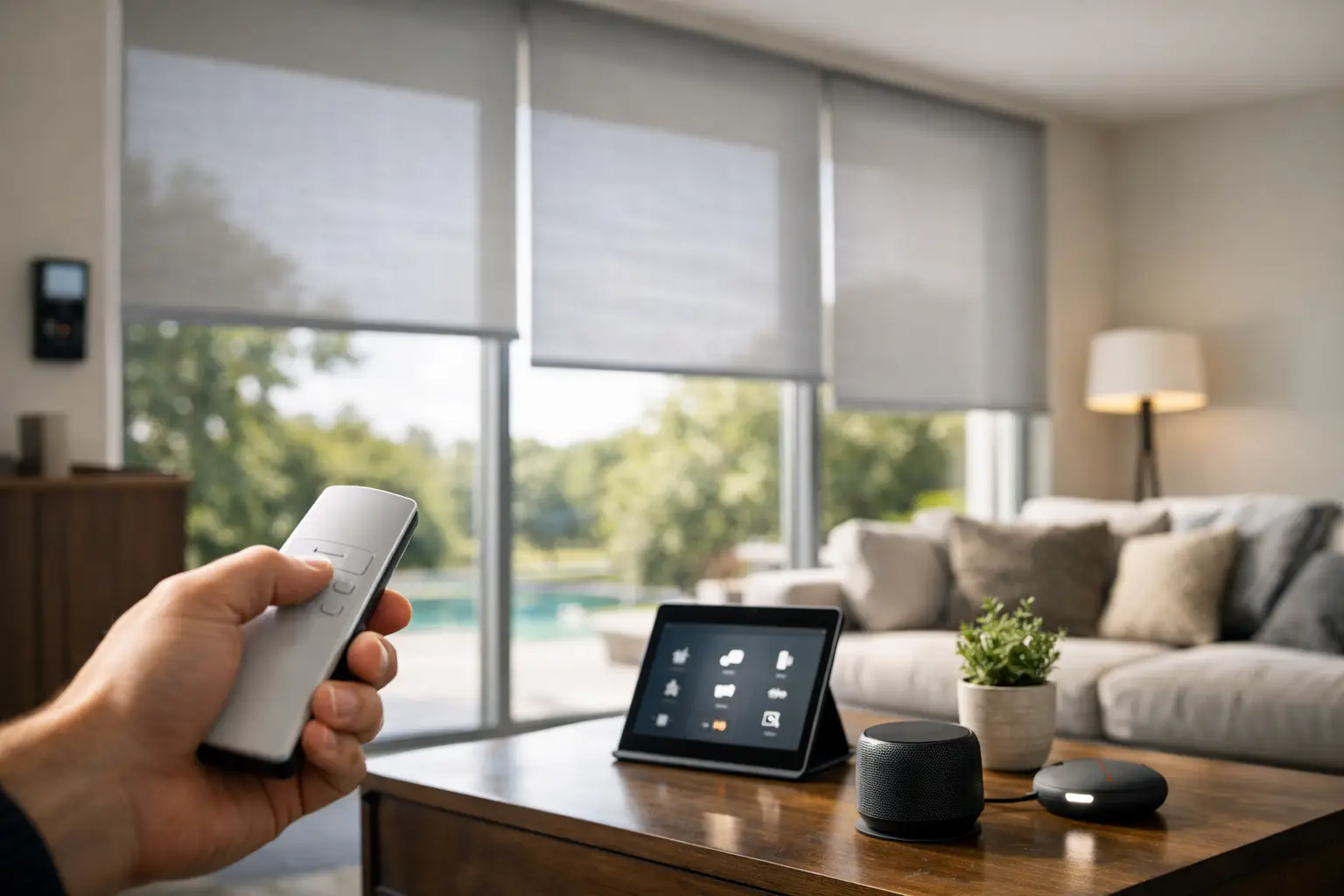
With automated shades, one command can lower every shade on a level of the home. A bedside keypad can open the bedroom shades in the morning. A wall-mounted control near the entry can close vulnerable windows as the house is secured. For homes with tall windows, hard-to-reach clerestories, or large expanses of glass, motorization also makes a previously inconvenient window treatment genuinely usable.
This is especially valuable in South Florida, where strong sunlight and changing weather can affect interior comfort quickly. The right system gives homeowners consistent control without turning window coverings into another task on the daily list.
Why Motorized Window Shades Are a Must-Have for Smart Homes
A smart home should reduce small points of friction, not add more apps and remotes. Motorized shades earn their place because they support several important goals at once: light management, privacy, interior protection, comfort, and security.
Daylight control is a major example. Natural light is desirable, but unmanaged glare can make a beautiful living room difficult to use and can compromise the viewing experience in a home theater or media space. Shade fabrics, opacity levels, and control strategies can be selected around how a room is actually used. A solar shade may preserve a view while cutting glare during the day, while blackout shades can create the darkness needed for a dedicated theater or restful bedroom.
Privacy is equally important in luxury properties with expansive windows and open sightlines. Automated shades allow residents to enjoy the architectural benefit of glass during the day and create privacy at the appropriate time each evening. Rather than relying on memory, the system can lower shades according to a preferred schedule or as part of a Goodnight scene.
There is also an aesthetic advantage. Custom motorized shade systems remove visible cords and provide a clean, tailored finish. The hardware, fabric, fascia, pockets, and control locations can be coordinated with the architecture before installation, not treated as an afterthought once the room is complete.
Protect Interiors From Sun Exposure
Sunlight can be hard on the materials that make a home feel finished. Flooring, artwork, rugs, upholstery, cabinetry, and wood furnishings can fade or deteriorate after repeated exposure to ultraviolet light and heat. Window shades are a front line of defense, particularly in rooms with large south- or west-facing glass.
The right fabric matters. Openness factors affect how much light passes through and how clearly occupants can see outside. Lighter fabrics may reflect more solar energy, while darker fabrics can improve outward visibility in certain applications. Blackout materials are designed for complete light blocking when installed with the proper side channels or track system.
A professional design should consider the window orientation, glass type, room purpose, view preservation, and finish selections. A great shade solution does not simply make every room dark. It gives each space the level of daylight control it needs.
Improve Comfort Without Sacrificing the View
Motorized shades help manage solar heat gain at the window, which can make sun-exposed rooms more comfortable during peak daylight hours. When shades lower automatically before direct sunlight reaches the glass, the home can feel more consistent from one room to the next.
That does not mean every shade should remain down all day. The best programming reflects the homeowner’s routines and priorities. In a waterfront living room, for example, the system may preserve the view for most of the day while lowering shades only when glare reaches the seating area. In a primary bedroom, shades may open gradually in the morning, then lower in the afternoon to protect furnishings and maintain privacy.
Automation adds precision to what has traditionally been a manual compromise. Homeowners do not have to choose between enjoying daylight and managing its effects.
A Meaningful Layer of Privacy and Security
Window shades are not a replacement for a professionally designed security system, but they can support a more complete property protection strategy. When shades close automatically in the evening or when the home enters an Away scene, they reduce visibility into interior spaces and make the property appear actively occupied.
For seasonal residents and frequent travelers, scheduled shade movement can be more convincing than leaving every window treatment in the same position for days. Integrating shades with lighting scenes can add another layer of realistic activity while keeping the home’s appearance controlled and intentional.
The programming should be thoughtful. Shades should not operate in ways that obstruct important exterior visibility at inappropriate times, and owners should retain simple manual control whenever they want it. Reliable automation is about options and confidence, not forcing the home to behave one way.
Integration Is What Makes the Difference
A motorized shade can operate from a handheld remote. An integrated shade system can become part of how the entire property functions. That distinction matters.
When shades are designed alongside lighting control, audio/video, climate settings, and security, one scene can set the room for its intended purpose. A Movie scene might lower blackout shades, dim architectural lighting, and prepare the theater environment. An Entertain scene can manage glare in the main living area while preserving a welcoming atmosphere. A Goodnight scene can secure common areas, lower selected shades, and turn off lighting throughout the home.
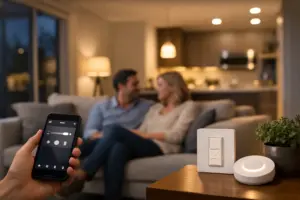
Control should be consistent throughout the property. Homeowners may use elegant keypads, touchscreens, voice control, mobile access, or scheduled automation, but each method should feel familiar and dependable. The goal is not to fill the home with controls. It is to give each control a clear purpose.
Design Decisions That Deserve Professional Attention
Motorized shades are most successful when they are considered early in a renovation or new construction project. Recessed pockets can conceal the shade system within the ceiling line. Proper power planning can reduce visible wiring and support long-term reliability. Window dimensions, treatment weight, fabric selection, and mounting conditions all influence the final result.
Battery-powered solutions can be appropriate where access to power is limited, while wired systems are often preferred for extensive installations and properties undergoing construction. Neither approach is automatically right for every room. The best choice depends on the size of the project, window access, desired aesthetics, maintenance preferences, and integration requirements.
Homeowners should also consider how shades will coexist with drapery, decorative valances, window hardware, and room furnishings. Custom integration is as much about visual discipline as technical performance. The system should complement the architecture rather than compete with it.
Professional Installation Protects the Investment
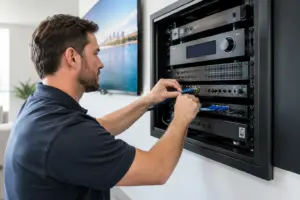
A premium shade system depends on more than the fabric and motor. Accurate measurement, secure mounting, concealed wiring where applicable, precise programming, and thorough testing determine whether the finished system performs as expected. A shade that is slightly misaligned, poorly programmed, or difficult to control can diminish an otherwise exceptional room.
Sentry Audio Video approaches motorized shades as part of a complete technology design. That means evaluating how window treatments connect to lighting, entertainment, security, and the way the homeowner uses the property. It also means delivering clean workmanship and providing a knowledgeable point of contact after installation.
For a home with large windows, layered lighting, dedicated entertainment spaces, or a growing automation plan, motorized shades are not a finishing touch. They are a foundational upgrade that brings comfort, protection, privacy, and control into better alignment. A professional consultation can turn that potential into a system designed for the way your home actually lives.