A beautiful renovation can still feel unfinished when Wi-Fi drops at the pool, cameras lose connection, or a media room depends on exposed cords and temporary fixes. For homeowners researching Structured Cabling Woodfield Country Club solutions, the goal is not simply more wiring. It is a professionally planned infrastructure that supports every connected part of the property with clean workmanship and dependable performance.
Why Structured Cabling Is the Foundation of a Connected Home
Structured cabling is the organized network of low-voltage wiring that carries data, video, audio, security, and control signals throughout a residence. Rather than adding separate wires as each new feature is installed, a structured system begins with a central equipment location and distributes properly labeled cables to the rooms, outdoor areas, and systems that need them.
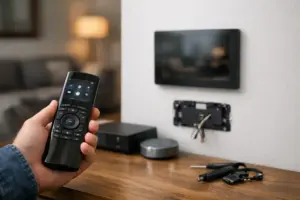
That planning matters in Woodfield Country Club homes, where technology often extends well beyond a single television or wireless router. Whole-home audio, motorized shades, surveillance cameras, access control, distributed video, wireless access points, and smart-home controls all perform better when they have a reliable wired foundation behind them.
Wireless remains essential, but it is not a substitute for a well-designed network. Wireless access points need a dependable wired backhaul. High-resolution cameras need consistent bandwidth. Streaming systems, video conferencing, and centralized control systems benefit from stable connections that are not competing for limited wireless capacity.
Structured Cabling Woodfield Country Club Homeowners Can Plan Around
The right cabling plan starts with how the home will actually be used. A family that hosts outdoors may need network coverage, audio, cameras, and television distribution around the patio, pool, and summer kitchen. A homeowner working remotely may need a dedicated wired connection in an office, along with secure network separation for guest devices and smart-home equipment.
For most premium residences, Category 6A cabling is a strong choice for data runs because it supports high-speed networking and offers headroom for future needs. Fiber may make sense for longer runs, separate structures, or applications requiring exceptional bandwidth. Coaxial cable can still have a role where specific video distribution or service-provider requirements call for it.
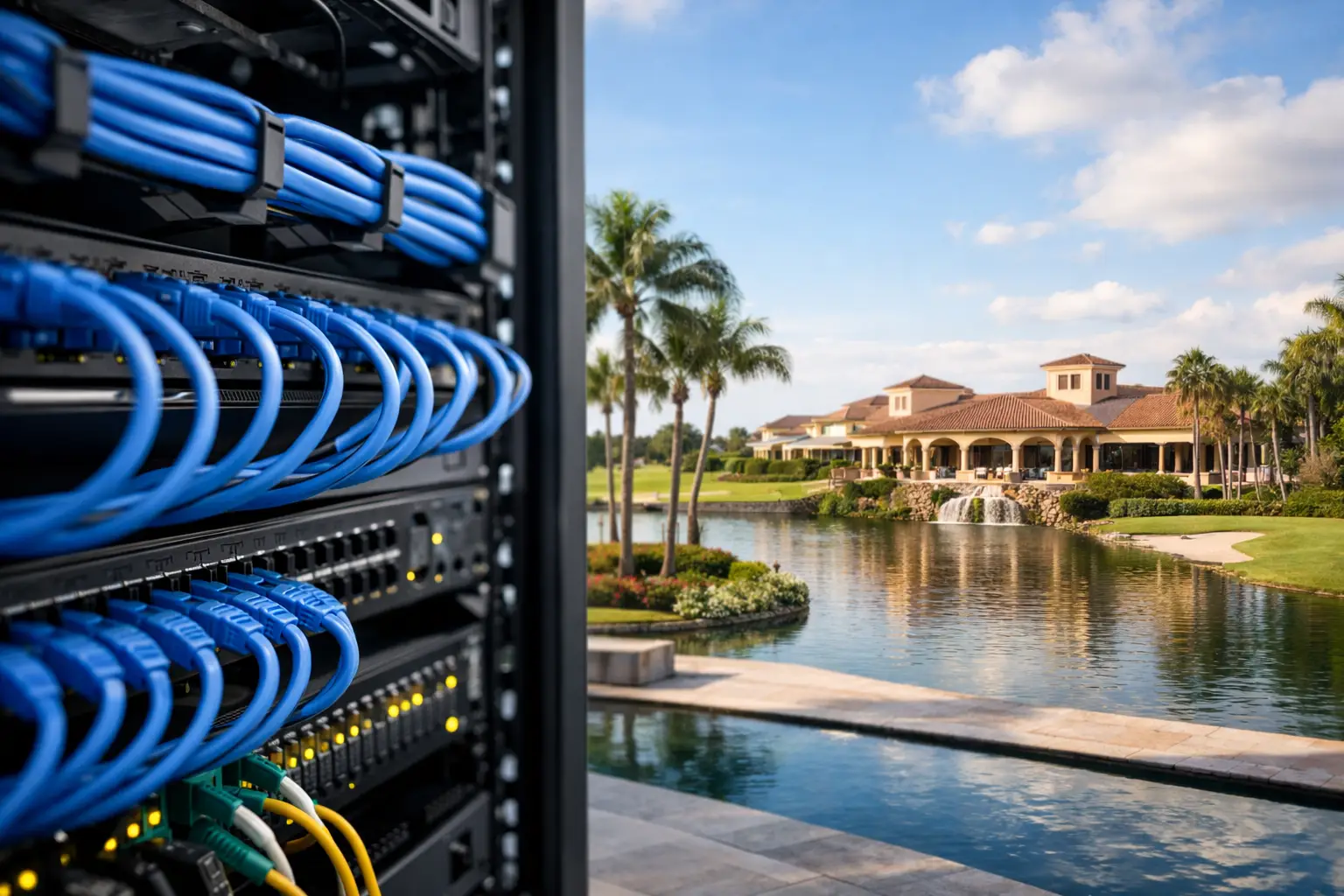
The cable type is only one part of the decision. Pathways, termination quality, equipment rack design, labeling, testing, and documentation determine whether the system remains easy to service years later. A polished installation leaves technology accessible without making it visible in the living space.
What to Include Before Walls Are Closed
New construction and major renovations offer the best opportunity to create a complete technology backbone. Once drywall, millwork, stone, and landscaping are finished, expanding infrastructure can become more intrusive and limiting.
A thoughtful prewire plan should account for current systems and likely future upgrades. In addition to data cabling at televisions, offices, and wireless access point locations, consider runs for surveillance cameras, door stations, audio zones, touch panels, shades, gate controls, and outdoor entertainment areas. Conduit is equally valuable in strategic locations because it gives future cables a protected route without reopening finished surfaces.
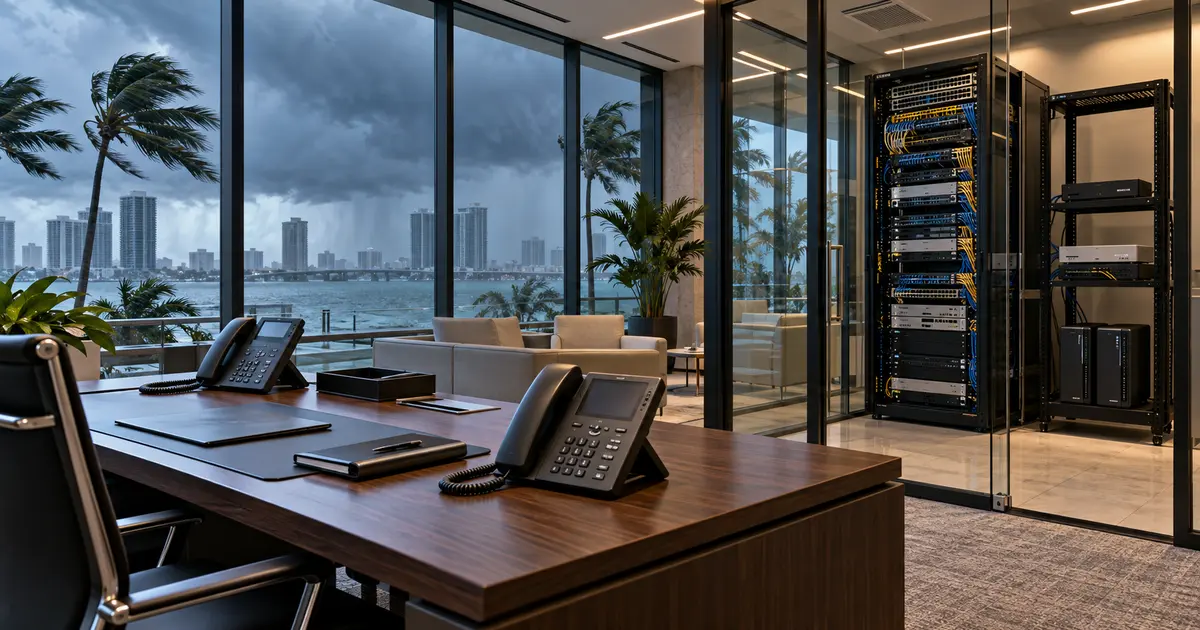
Equipment placement also deserves early attention. Network switches, audio components, video distribution hardware, and control processors need a ventilated, serviceable location. A central rack or structured wiring enclosure keeps these systems organized and avoids turning closets or cabinetry into an afterthought.
Avoid the Gaps That Create Frustration Later
The most common issue is planning only for visible devices. A television location gets a cable, but no one accounts for the access point needed to serve the adjacent bedrooms. Cameras are installed, but the network was not designed for their bandwidth or power requirements. Outdoor speakers are added, yet the patio has no pathway for future controls, cameras, or network equipment.
Another mistake is assuming every room needs the same solution. A formal living room, media room, home office, primary suite, and outdoor living area have different technology demands. Custom design provides the appropriate infrastructure in each location without overbuilding areas that will not benefit from it.
A Professional Approach From Design Through Support
Sentry Audio Video approaches structured cabling as part of the total system, not as an isolated trade. That means coordinating the network, entertainment, security, automation, and control requirements before installation begins. Every run is planned for performance, terminated professionally, tested, and clearly documented for efficient service.
For a home in or near Woodfield Country Club, the right infrastructure protects the experience you expect from the property: clear video, responsive controls, consistent coverage, and technology that stays out of sight until you need it. Start the conversation before construction moves forward, and your home will be ready for the systems you want now and the ones you may add later.