
Sentry Audio Video designs and installs wired, wireless and hybrid whole-home audio systems for residences in Boca Raton, Fort Lauderdale, Miami Beach, Palm Beach County and Orlando. Call (561) 717-3280 to schedule a site survey for new construction, renovations or an existing system upgrade.
Updated October 25, 2026.
That distinction matters more than most people expect. Many audio frustrations start when a system is chosen for a feature list instead of the way the property is actually used. A larger home, outdoor entertaining area, guest suite, or open-concept floor plan places different demands on audio coverage, networking, and control. The right system is built around the home and the people living in it.
What a wireless whole home audio system really means
A wireless whole home audio system allows music, podcasts, and TV audio to be distributed across multiple rooms without relying on traditional point-to-point speaker wiring between every source and control location. In practice, that does not always mean every component is fully wireless. Many high-performance systems still use strategic hardwiring where it improves reliability, while giving the homeowner wireless control and flexible audio distribution throughout the property.
This is where expectations should be clear. “Wireless” often refers to how the system communicates with apps, streamers, and control platforms. It does not automatically guarantee the strongest possible audio performance in every construction type or on every property size. Concrete walls, metal framing, equipment placement, and outdoor zones can all affect how well a purely wireless approach performs.
For that reason, the strongest results often come from custom design rather than a one-size-fits-all package. In a primary residence, vacation home, or estate property, the system should reflect how you entertain, where you spend time, and how much independence you want in each room.
Why design matters more than the speaker count
It is easy to focus on how many zones a system can support. The better question is how those zones should behave. A media room may need deeper, more dynamic sound than a hallway. A kitchen and family room may function as one open area. A primary suite may need private listening that does not interrupt activity elsewhere in the home.
Good system design accounts for acoustics, room dimensions, ceiling height, furnishing materials, and how audio transitions from one space to the next. It also considers source flexibility. Some homeowners want one playlist everywhere during a gathering. Others want different content in the gym, office, bedrooms, and outdoor living areas at the same time.
The more refined the property, the more important those decisions become. Audio should feel intentional, not patched together. Flush-mounted architectural speakers, discreet subwoofers, properly scaled amplification, and centralized equipment all contribute to that result.
Key features to look for in a wireless whole home audio system
Control is one of the first areas where quality shows. The system should be easy to operate from a phone, tablet, touch panel, or integrated home control platform. Grouping rooms, adjusting volume by zone, changing sources, and creating presets should take seconds, not a series of workarounds.
Audio quality is just as important. Compressed playback and uneven volume between rooms can make a premium home feel surprisingly unfinished. A stronger solution delivers clean sound at low listening levels and enough headroom for entertaining without strain.
Scalability matters as well. Many clients start with core interior spaces and later add the patio, pool area, guest house, or office. A system should support that expansion without forcing a full replacement. The same is true for integration. If motorized shades, lighting, surveillance, climate control, and home theater are part of the larger plan, the audio platform should work as part of one cohesive environment.
Reliability is the final non-negotiable. If audio drops out, zones disappear, or apps routinely lose connection, the technology becomes a nuisance. Stable networking, proper equipment selection, and professional commissioning make the difference between a feature and a daily convenience.
Wired, wireless, and hybrid approaches
There is no single correct answer for every property. A fully wireless speaker-based setup may suit a smaller residence or select rooms where flexibility is the priority. It can be a practical starting point when aesthetics, moderate coverage, and quick deployment are the main goals.
A more integrated wired system typically offers greater consistency, stronger amplification options, and a cleaner architectural finish. This is especially valuable in larger homes or properties with several indoor and outdoor entertainment zones.
The hybrid model is often the most effective path. It combines hardwired infrastructure where performance and stability matter most, with wireless control and streaming convenience for everyday use. That approach gives homeowners the usability they want without compromising the dependability they expect from a premium installation.
Indoor and outdoor audio should work together
One of the most common planning mistakes is treating outdoor audio as an afterthought. In South Florida homes especially, outdoor living is not secondary space. Patios, pools, lanais, summer kitchens, and landscaped entertainment areas are central to how the home is used.
Outdoor audio requires more than weather-resistant speakers. Coverage patterns, speaker placement, amplification, and control all need to be considered so music feels present without becoming harsh or uneven. The goal is controlled, immersive sound that complements conversation and atmosphere.
When indoor and outdoor zones are designed together, transitions feel natural. You can start music inside during dinner prep, continue it outside for guests, and keep separate volume levels in each area without fuss. That is the difference between adding speakers and creating an experience.
Control should feel effortless
The most successful systems are the ones people use every day without thinking about the technology behind them. That means intuitive room naming, sensible presets, fast source selection, and dependable response from the interface.
A homeowner should be able to tap “Morning” and have preferred audio start in the kitchen and breakfast area. For entertaining, a single command should group the main living zones and outdoor spaces. If the property includes broader smart home features, audio should fit naturally into scenes and automation routines.
This is also where professional setup earns its value. A polished interface, organized zones, and properly tuned performance are not extras. They are what make the system feel complete.
Planning for renovations and new construction
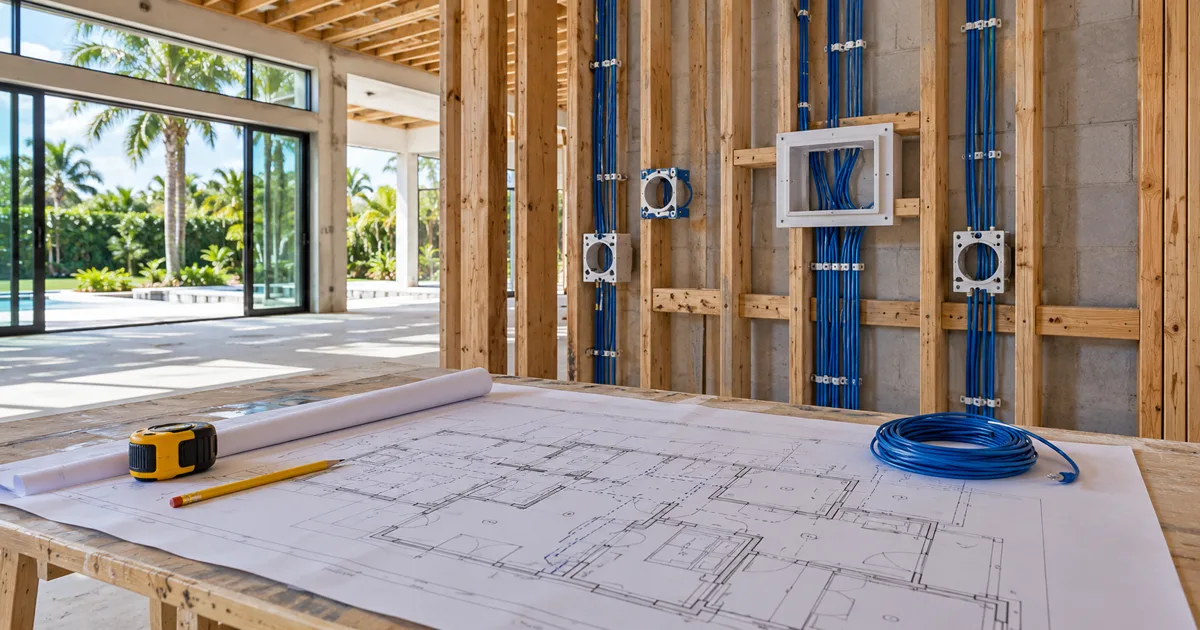
If audio is being considered during a remodel or new build, early coordination creates better outcomes. Speaker locations, equipment racks, network design, millwork details, and control placements can all be addressed before finishes are complete. That keeps the installation cleaner and opens more options for hidden hardware and architectural speakers.
For existing homes, careful retrofit planning is just as important. The right integration partner can preserve the look of the space while upgrading performance and usability. This is particularly relevant in luxury residences where aesthetics carry as much weight as the technology itself.
In both cases, network infrastructure deserves close attention. A wireless whole home audio system is only as dependable as the network supporting it. Strong coverage, managed traffic, and properly configured equipment help prevent the dropouts and lag that undermine the experience.
What professional integration changes
The biggest difference between an average result and an excellent one is not the app or the speaker brand. It is the design, engineering, installation quality, and support behind the system. Professional integration addresses the details most buyers do not see at first, but notice later if they are missing.
That includes matching components properly, tuning zones for the room, organizing equipment for serviceability, and making sure the control experience is consistent across the property. It also means there is a knowledgeable team standing behind the installation when updates, expansions, or service needs arise.
For clients in high-end homes and demanding business environments, that level of ownership matters. Sentry Audio Video approaches system design with that long view in mind, building solutions meant to perform reliably and fit naturally into the property rather than calling attention to the technology itself.
A wireless whole home audio system should make the home feel more connected, more comfortable, and easier to enjoy. If the design is right, the technology fades into the background and the experience takes over. That is where real value begins.
Plan the next step: review whole-home audio installation, review home Wi-Fi and network design, or request a site survey. Florida low-voltage license EF20001874 · Over 25 years of industry experience.