A security alert at 2:00 a.m. is not simply a notification problem. It is a response problem. Central Station Boca Raton monitoring connects a property’s alarm, life-safety, and selected video systems to trained monitoring professionals who can follow an established response plan when an event occurs. For homeowners, that can mean confidence while traveling or sleeping. For businesses, it can mean a more controlled response to intrusion, fire, environmental, or access-related events when the building is unoccupied.
A well-designed monitored system does more than make noise. It creates a clear path from detection to verification, notification, and escalation. That difference matters in a market where valuable homes, seasonal residences, offices, hospitality spaces, and professional properties require dependable protection without adding complexity to daily operations.
What Central Station Monitoring Means
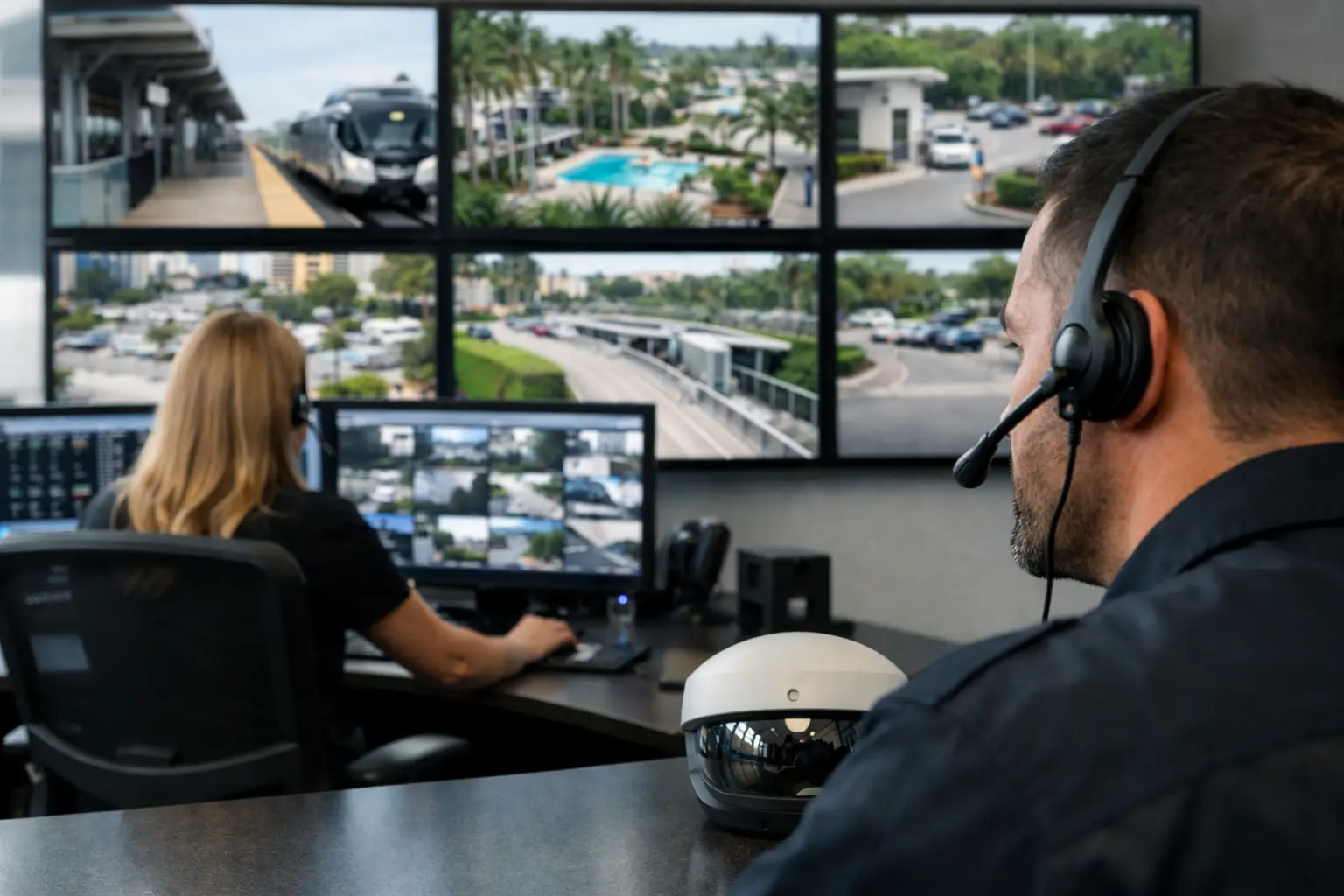
A central station is a professional monitoring facility that receives signals from a connected security or life-safety system. When a device detects an event, such as an unauthorized entry, smoke condition, panic activation, water issue, or loss of communication, the system transmits a signal to the monitoring center. Operators then follow the instructions established for that account.
Those instructions are not one-size-fits-all. A family may want calls made in a specific order before emergency services are contacted. A business may designate a manager, property representative, or security contact for after-hours incidents. A monitored fire system may require a more immediate and tightly defined emergency response procedure. The right protocol depends on the property, the systems installed, applicable requirements, and the client’s risk profile.
Central station monitoring should not be confused with receiving an app alert on a phone. Mobile alerts are valuable, especially for day-to-day awareness, but they rely on the recipient being available, seeing the message, understanding the situation, and taking action. A professionally monitored system adds a staffed response layer designed to remain active when the property owner is in a meeting, on a flight, asleep, or simply unable to respond.
Why Boca Raton Properties Need a Response Plan
Boca Raton properties often have a combination of features that make thoughtful system design especially valuable: large residences, detached guest areas, outdoor living spaces, gated entries, wine rooms, equipment rooms, multiple access points, and periods of vacancy. Commercial environments may add employee access, customer-facing areas, inventory, server rooms, and multiple opening and closing schedules.
The central station is only as effective as the information it receives. A door contact on a rarely used entry, a motion sensor in a key interior zone, a monitored smoke detector, or a properly located water sensor can give the monitoring team meaningful context. Poor placement, inconsistent communication paths, or incomplete programming can create nuisance alarms or leave important areas without coverage.
This is why custom design matters. Security is not about placing devices wherever they fit. It is about understanding how a property is used, where risk is concentrated, who should be contacted, and how the system needs to behave under pressure.
The value of verified information
False alarms create frustration for owners, occupants, and responding agencies. They can also lead people to ignore notifications that deserve immediate attention. Smart system design helps reduce that risk through appropriate device selection, professional programming, user training, and, where appropriate, video verification capabilities.
Video verification can provide valuable additional information when an alarm signal is received. Depending on the system configuration and service arrangement, authorized personnel may be able to review alarm-related video or images to assess activity at the property. This can help distinguish a likely intrusion from an accidental event and support faster, more informed decisions.
It is not a substitute for sound security design. Cameras need suitable coverage, lighting, network capacity, and reliable recording. Privacy considerations also matter, particularly in residential interiors and employee areas. The goal is purposeful visibility, not indiscriminate surveillance.
Building a System That Works as One
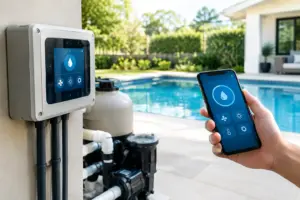
The strongest Central Station Boca Raton solution begins with the infrastructure behind the visible devices. A premium alarm panel, surveillance cameras, access control hardware, networking equipment, backup power, structured cabling, and mobile control interface must operate as a coordinated system. When these pieces are designed independently, the result can be confusing notifications, unreliable communication, and service gaps when they matter most.
A professionally integrated approach considers both the primary and backup paths used to communicate alarm signals. Internet connectivity is common, but a single communication path may not provide the level of resilience appropriate for every property. Cellular backup and properly planned power protection can help maintain reporting during certain network or power interruptions. The exact configuration should reflect the property’s needs and the monitoring service requirements.
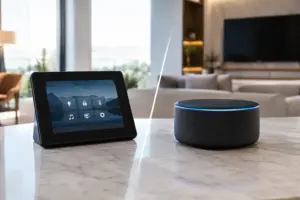
For businesses, access control can strengthen the overall picture. If an alarm occurs after hours, the system may help identify whether an authorized credential was used at a nearby door, whether a designated area was accessed, and which contacts should be notified. For homes, integrated control can make it easier to arm designated areas, check entry status, receive meaningful alerts, and manage security alongside lighting, shades, and outdoor spaces.
Convenience should never weaken protection. A simple interface is valuable because people are more likely to use the system correctly. But easy control must be paired with thoughtful permissions, secure remote access, and an installation that protects the equipment and wiring from unnecessary exposure.
Questions to Ask Before Choosing Monitoring
Before selecting a monitored security solution, property owners should ask how signals are handled, what communication methods are included, and what happens if a signal cannot be transmitted. They should also understand who can make account changes, how emergency contact lists are maintained, and whether the system can support the specific devices needed for intrusion, fire, water, temperature, or access events.
It is also worth asking about the handoff after installation. Monitoring is an ongoing service, not a one-time equipment purchase. Contacts change, employees come and go, renovations alter protected areas, and technology needs service over time. A provider should make it clear how testing, maintenance, troubleshooting, and system updates are handled.
For a commercial property, confirm whether local regulations, insurance obligations, lease terms, or fire requirements affect the scope of the system. Life-safety monitoring has different requirements from standard intrusion monitoring, and the design should reflect that distinction from the start. For a residence, consider how the system will support daily routines, seasonal occupancy, domestic staff, guests, and outdoor entertaining without becoming burdensome.
Professional Installation Protects Performance
The monitoring center can only respond to the signals the system sends. That makes installation quality central to security performance. Clean wiring, protected equipment locations, correctly labeled components, tested communication paths, and accurate account programming all contribute to a system that is easier to operate and easier to service.
Sentry Audio Video designs integrated security and technology systems with this broader responsibility in mind. Rather than treating surveillance, alarms, networking, audio/video, and property control as unrelated projects, the team can create a coordinated solution built around how the home or business actually operates. That approach supports a polished installation today and a more manageable service experience as needs evolve.
A final walkthrough should include more than showing where the keypad is located. Owners and designated users should know how to arm and disarm the system, respond to alerts, request support, update contacts, and avoid common causes of false alarms. Business managers should also establish clear procedures for opening, closing, and after-hours access.
A Better Standard for After-Hours Protection
A central station does not eliminate every risk, and no security system can guarantee a specific outcome. Its purpose is to create disciplined response when the people responsible for a property are not immediately available. The right design balances detection, communication reliability, visibility, user experience, and a response plan tailored to the people and places that matter most.
For a Boca Raton home or business, that level of preparation is worth planning before an urgent moment forces the question. A professional site evaluation can identify the right monitoring strategy, clarify the trade-offs, and turn a collection of devices into a protection system with a clear purpose.