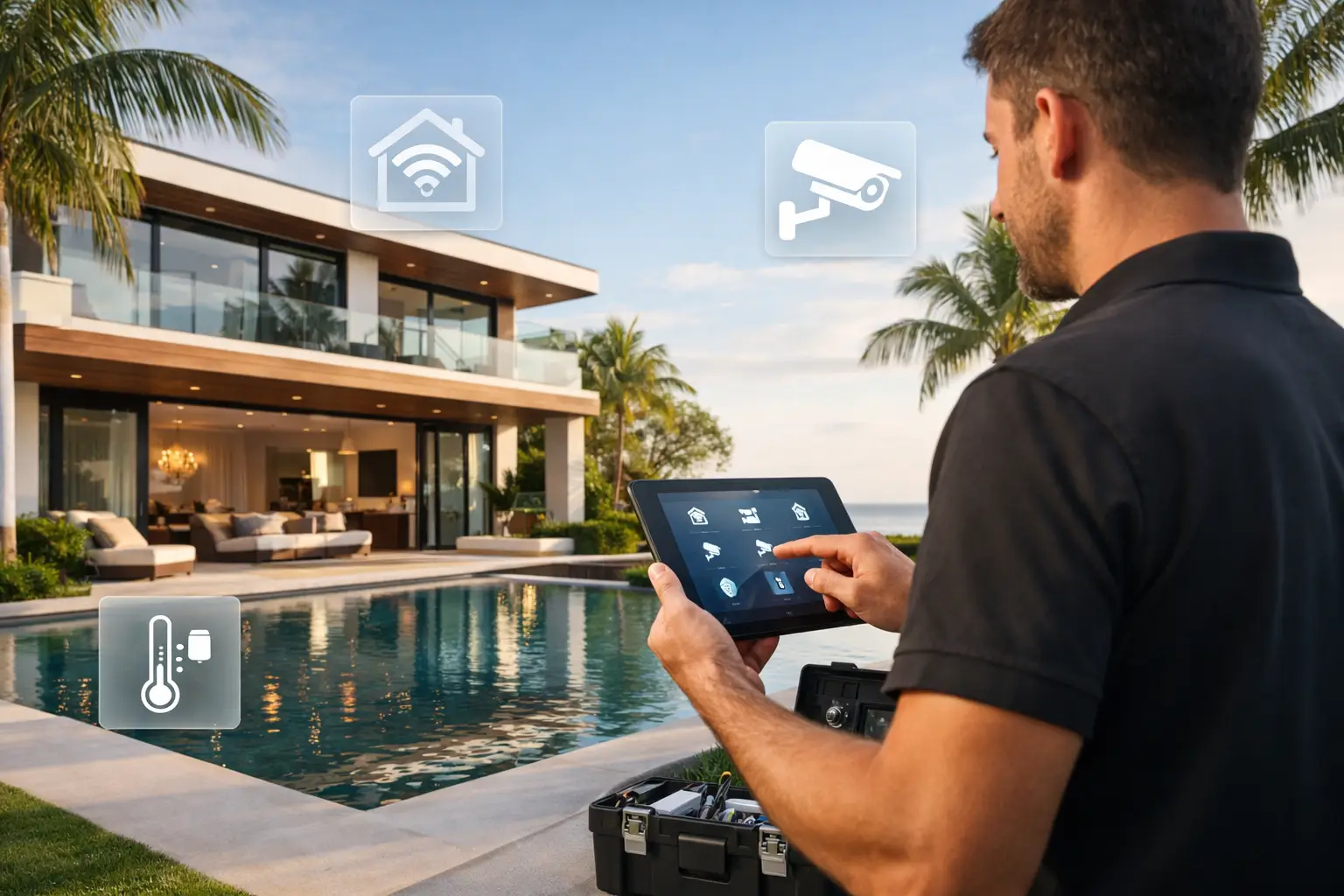
A luxury home can have exceptional finishes, ocean views, and thoughtfully designed outdoor spaces, yet still feel incomplete when its technology operates as a collection of separate systems. Finding the Best Luxury Smart Home Installer in South Florida is about more than selecting premium equipment. It is about choosing a technical partner that can design every system around the way you live, install it with care, and stand behind its performance long after the project is complete.
For homeowners in Boca Raton, Fort Lauderdale, Miami Beach, and surrounding coastal communities, expectations are appropriately high. Technology should complement the property, not compete with it. That means intuitive control, discreetly placed equipment, dependable security, and entertainment that performs beautifully in every room and outdoor living area.
What Separates a Luxury Integrator From an Installer
A qualified luxury smart home integrator starts with a complete system plan, not a product list. The conversation should cover how the property is used today, how it may be used after a renovation or expansion, who will be using the system, and which areas require the highest level of performance.
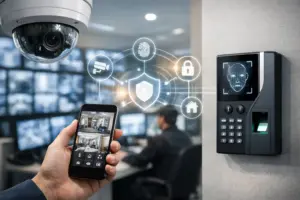
A thoughtful design connects lighting control, shades, climate interfaces, distributed audio, video, surveillance, access control, networking, pool features, and outdoor entertainment into one coordinated experience. The goal is not to place every possible feature on a wall panel. It is to make the home easier to enjoy, protect, and manage.
The distinction matters because every category depends on the infrastructure behind it. A high-performance theater requires more than a display and speakers. Whole-house audio depends on proper speaker placement, amplification, wiring, and network stability. Security cameras need strategic coverage, secure recording, and reliable remote access. If these systems are planned independently, the homeowner is often left with multiple apps, competing controls, visible wiring, and no single party accountable for the result.
A full-service integration firm takes ownership of the entire experience. It coordinates design decisions early, specifies compatible equipment, manages installation standards, programs the control environment, tests the system, and remains available when service is needed.
How to Evaluate the Best Luxury Smart Home Installer in South Florida
The strongest installer is not necessarily the company that promises the most features. It is the one that asks the most useful questions before making recommendations. A polished proposal should explain what is being installed, why each component belongs in the design, where equipment will live, and how the homeowner will interact with it.
Look closely at the company’s scope. Luxury residences often require expertise that crosses lifestyle and protection systems. An integrator that can handle home theater, whole-house audio, motorized shades, surveillance, structured cabling, networking, and outdoor entertainment can create a more coordinated result than multiple disconnected vendors.
Experience in complex properties also matters. A waterfront estate, condominium residence, second home, or large renovation can present different planning challenges. Concrete construction, metal framing, equipment-room constraints, indoor-outdoor coverage, remote management needs, and association requirements all affect the final design. A knowledgeable installer anticipates these details before walls are closed and finishes are installed.
Just as important, ask who will support the system after installation. Technology is only luxurious when it remains dependable. A company should provide clear guidance on service availability, documentation, system updates, and the process for resolving an issue. The best long-term relationships begin with realistic expectations, not vague assurances.
Design Comes Before Equipment
Premium equipment has value, but it cannot correct a weak design. The most successful smart homes begin with a detailed discovery process that identifies priorities room by room. A family may want one-touch scenes for arriving home, entertaining, bedtime, and leaving the property. Another homeowner may prioritize discreet outdoor audio, camera coverage at multiple entry points, and simple remote oversight while traveling.
That information should shape the design. In a media room, the display size, seating layout, speaker locations, acoustic considerations, lighting, and control placement need to work together. In an outdoor space, equipment must be selected and located for the environment while preserving the look of the patio, pool area, or landscape. In a primary suite, shades, lighting, audio, and climate control should support comfort without creating unnecessary complexity.
A professional design also considers future needs. During construction or renovation, properly planned structured cabling creates options for additional cameras, access points, speakers, displays, and control locations later. This is especially valuable in large properties, where wireless coverage and network capacity must be engineered rather than assumed.
Clean Installation Is Part of the Luxury Experience
Craftsmanship is visible even when most of the system is not. Equipment racks should be organized, labeled, ventilated, and accessible for service. Speakers, keypads, displays, cameras, and sensors should be placed intentionally. Cables should be properly routed and concealed wherever possible. Wall plates, trim details, and component locations should respect the architecture of the home.
These details protect both performance and property value. An orderly installation makes troubleshooting faster, future changes more manageable, and service visits less disruptive. It also reduces the risk that a small issue in one category affects an unrelated part of the system.
For a luxury homeowner, the standard should be straightforward: technology should feel built into the residence, not added after the fact. The control experience should be clear enough for family members and guests to use comfortably, while advanced functions remain available when needed.
Reliability Depends on the Network and Infrastructure
Many smart-home frustrations start with an undersized or poorly planned network. When audio drops, cameras take too long to load, controls respond inconsistently, or remote access becomes unreliable, the visible symptom may be a device. The underlying cause is often the infrastructure supporting it.
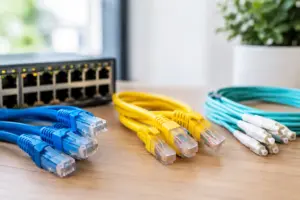
A luxury integration plan should treat networking as a core utility. It requires the right coverage strategy, secure configuration, capable switching and routing, organized wiring, and enough capacity for connected systems throughout the property. This is particularly important for homes with dedicated entertainment spaces, extensive camera systems, guest areas, outdoor living zones, and multiple occupants using the network at once.
The same principle applies to power protection and equipment management. Sensitive components need an appropriate environment, and critical systems should be designed to recover predictably after an outage or service interruption. These are not glamorous decisions, but they are often the difference between a system that impresses on day one and one that performs reliably year after year.
Questions Worth Asking Before You Sign
Before selecting an integration partner, ask how the company approaches planning, execution, and ongoing accountability. The answers should be specific and easy to understand. A professional firm should be able to explain:
- How it discovers your household routines, security concerns, and entertainment priorities.
- Which systems it designs and supports directly, from infrastructure through control programming.
- How it coordinates with builders, designers, architects, and other trades during a project.
- Where equipment will be located and how service access will be handled.
- What training, documentation, and post-installation support are included.
Also ask to see examples of comparable work. The purpose is not simply to judge the appearance of a theater or an equipment rack. It is to understand whether the company can execute at the scale, finish level, and technical complexity your home requires.
Price will always be part of the decision, but a proposal should be evaluated by clarity and scope, not by a single total. Two plans can appear similar while offering very different levels of infrastructure, programming, commissioning, equipment protection, and support. A complete proposal identifies what is included so there are fewer surprises during installation.
Choose One Accountable Partner
A sophisticated smart home should not require the owner to coordinate separate contacts for audio, video, shades, security, networking, and control. One experienced integration partner creates a clearer chain of responsibility and a more cohesive result. When a system is designed as one environment, scenes can be programmed around real moments: arriving home, hosting guests, watching a film, securing the residence for travel, or closing the home for the evening.
Sentry Audio Video approaches these projects with that complete-system mindset, combining lifestyle technology, security, and IT-enabled infrastructure under one professional team. The focus is not on adding technology for its own sake. It is on creating a refined home experience that is dependable, easy to control, and carefully installed.
The right installer will make the process feel organized from the first consultation onward. Bring your plans, priorities, and questions to the conversation, then choose the team that can explain the path from design to long-term support with confidence and precision.