A smart home system rarely fails all at once. More often, it starts with small frustrations: a room that does not respond on the first command, an app that feels unreliable, music zones that disappear, or a remote that no longer controls a newly installed display. If you are asking, “When should I upgrade my aging Savant system?” the right answer is usually not based on its age alone. It is based on whether the system still delivers the reliable, intuitive control your property deserves.
Savant has long been a respected platform for premium home automation. Yet every integrated system has a life cycle. Controllers, user interfaces, network hardware, software versions, and connected equipment all evolve at different speeds. A well-planned upgrade protects what still performs well while addressing the components that now limit reliability, security, or functionality.
When Should I Upgrade My Aging Savant System?
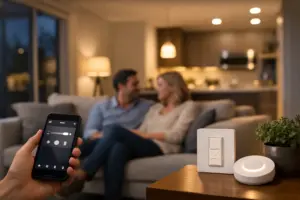
The clearest sign is recurring inconvenience. A properly designed Savant system should make lighting, entertainment, shades, security, climate control, and outdoor spaces easier to manage. When family members begin bypassing the system because it is faster to use individual remotes or wall controls, the system is no longer delivering its intended value.
Intermittent behavior is another important signal. Commands that work sometimes but not consistently are not simply an annoyance. They can point to an aging controller, network limitations, communication issues between devices, or software that is no longer aligned with the rest of the installation. Rebooting equipment may provide short-term relief, but recurring problems deserve a full professional assessment.
An upgrade is also appropriate when you are renovating, adding a media room, rebuilding an outdoor living area, or making changes to security and access control. These projects create an opportunity to bring the control experience, wiring, and equipment strategy into alignment rather than adding isolated technology that complicates the system later.
Warning Signs Your Savant System Is Reaching Its Limits
A system installed years ago may continue to operate, but operating is not the same as performing well. Several warning signs indicate that your Savant platform should be evaluated.
First, consider supportability. If key components are no longer supported, replacement parts may be difficult to source and software updates may no longer be available. That does not mean every older device needs immediate replacement. It does mean that a failure can become more disruptive and that planned modernization is often preferable to an urgent service call.
Second, look at compatibility. Homeowners frequently update displays, audio systems, surveillance cameras, door stations, lighting fixtures, or motorized shades over time. If the Savant system cannot provide dependable control of those additions, the issue may be the original design rather than the new equipment. Modernization can restore centralized control and create a more consistent experience from room to room.
Third, pay attention to performance delays. A command should feel immediate and predictable. Noticeable lag when selecting a source, adjusting volume, activating a scene, or viewing cameras can be caused by multiple factors. The controller may be underpowered for the current scope of the property, the network may need attention, or older communication hardware may be slowing the entire experience.
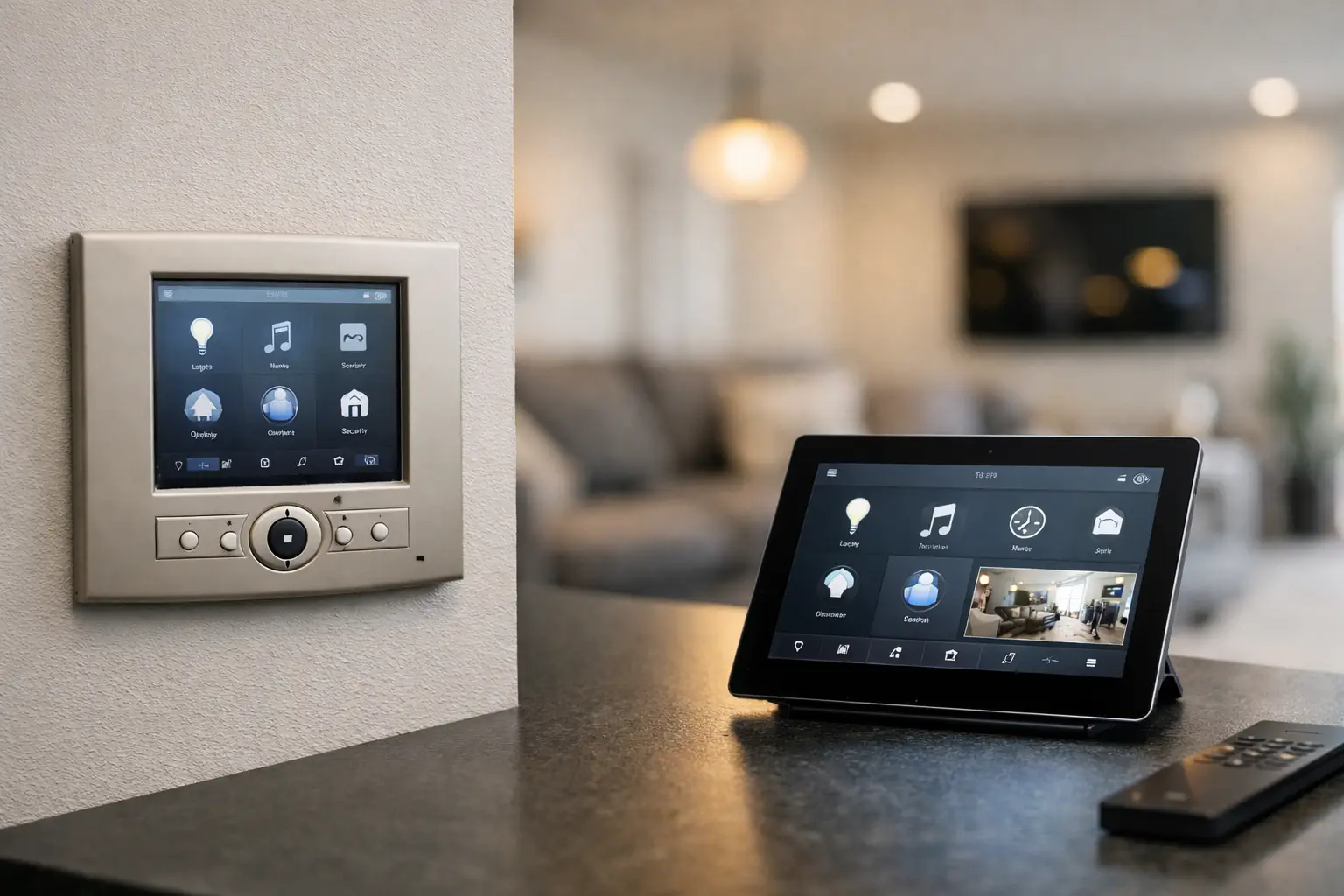
Finally, outdated interfaces matter more than many owners realize. An older remote, keypad, or control app can make an otherwise capable home feel difficult to operate. Updated interfaces can improve daily use without requiring a complete replacement of every system component.
The Network Often Determines the Upgrade Path
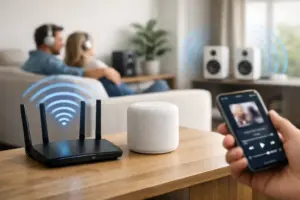
Smart home control depends on dependable network infrastructure. When a Savant system becomes inconsistent, the controller is not always the root cause. Network switches, wireless access points, router configuration, cable terminations, and device addressing all affect how quickly and reliably commands move through the home.
This is especially relevant in larger residences across South Florida, where concrete construction, outdoor entertainment areas, guest spaces, and multiple levels can place significant demands on wireless coverage. A system may appear to have a Savant problem when the real issue is insufficient coverage, older network equipment, or a network that has grown without a coordinated design.
A professional review should examine the full technology environment, not just the automation processor. That includes the rack, power management, network infrastructure, control hardware, audio/video distribution, and the connected systems that rely on them. This broader view helps prevent a partial upgrade from leaving the original performance issue unresolved.
Upgrade What Needs Attention, Not Everything at Once
One of the most common concerns is whether an aging Savant system requires a complete replacement. Often, it does not. Quality speakers, properly installed wiring, amplifiers, displays, shades, and certain lighting components may remain valuable parts of the system for years. The goal is not to replace equipment for its own sake. It is to create a stable platform that supports the way you use the property now.
In many cases, the first priority is the core of the system: the Savant host, network, control interfaces, and programming. Once those elements are current and properly configured, retained equipment can be integrated where appropriate. If certain legacy devices are incompatible or prone to failure, they can be addressed as part of a phased plan.
A phased upgrade is particularly useful for larger homes and properties with multiple entertainment zones. You might modernize the control backbone and primary living spaces first, then update the theater, outdoor areas, guest accommodations, or secondary rooms in later stages. The important point is that every phase should support a clear end-state design rather than becoming a collection of disconnected additions.
New Features Are a Valid Reason to Modernize
Reliability should be the first reason to upgrade, but new capabilities also matter. Your lifestyle may have changed since the original system was installed. Perhaps you now entertain outdoors more often, spend more time in a second residence, need clearer visibility of entry points, or want more thoughtful lighting and shade scenes throughout the day.
A current Savant system can be designed around the routines that matter to your household. A single command might prepare a room for a movie, set a preferred ambiance for entertaining, secure the home at night, or coordinate music across indoor and outdoor areas. The value is not the number of features on a screen. It is having technology respond consistently to familiar routines.
For business owners, the same principle applies. An older control system may no longer provide the dependable operation required for conference rooms, distributed audio, video displays, surveillance, communications, and property oversight. Modernization should reduce operational friction, simplify control for staff, and support a more polished client or guest experience.
What a Professional Savant Upgrade Review Should Include
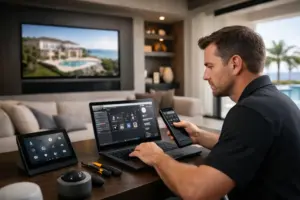
A credible upgrade recommendation begins with discovery, not assumptions. The integrator should identify the existing Savant hardware, review the current programming, test control performance, and document every system that connects to the platform. They should also ask how the property is used today, where frustrations occur, and what improvements would make the greatest difference.
The review should distinguish between equipment that is functioning reliably and equipment that presents a support or compatibility risk. It should also account for hidden infrastructure. Clean rack organization, labeled cabling, proper power protection, adequate ventilation, and documented network configuration make future service easier and help preserve the performance of the entire installation.
Programming deserves equal attention. A new controller will not automatically create a better experience if the interface remains cluttered or scenes no longer reflect the way the home is used. A thoughtful migration includes refinement: clearer room controls, sensible favorites, dependable source selection, and commands that feel intuitive for every member of the household.
At Sentry Audio Video, the objective is to make the transition organized and accountable, with a plan that respects the investment already made in your property while improving daily performance.
Do Not Wait for a Critical Failure
Waiting until a central controller, network component, or key remote fails can turn a manageable project into an urgent disruption. This is particularly inconvenient before a seasonal move, major holiday gathering, renovation deadline, or extended time away from the property. Proactive planning gives you more control over timing, preserves more of the existing system where appropriate, and allows the work to be completed with the level of care a premium installation requires.
If your Savant system still works but no longer feels dependable, current, or easy to use, that is reason enough to schedule an evaluation. The right upgrade should not make your home feel more complicated. It should restore the confidence that every room, command, and connected system will perform exactly as expected.