A premium lighting control system is rarely a single-line purchase. It is part of the home’s electrical plan, interior design, window treatment strategy, network, and daily routine. So, How Much Does a Lutron HomeWorks System Cost in South Florida? [2026 Guide] pricing starts with the home itself, not a catalog price.
For most professionally designed South Florida residences, a Lutron HomeWorks system typically begins around $30,000 to $50,000 installed for a focused project and commonly reaches $75,000 to $150,000 or more for a large luxury home with extensive lighting, keypads, motorized shades, outdoor areas, and integrated control. The right investment depends on what the system must control, how the home is built, and whether the project is a new build, renovation, or occupied-home retrofit.
Typical Lutron HomeWorks Cost in South Florida
HomeWorks is Lutron’s premium residential lighting control platform. It is designed for properties where homeowners want a unified, highly reliable way to manage architectural lighting, decorative fixtures, shades, and selected connected systems through elegant wall keypads, touchscreens, and mobile control.
A smaller HomeWorks scope might serve the main living spaces of a condominium, townhome, or single-family residence. At approximately $30,000 to $50,000, that may include a centralized control processor, a limited number of lighting loads, several engraved keypads, programming, and professional installation.
A more comprehensive system for a substantial residence often falls between $50,000 and $100,000. This level may cover most interior lighting, scenes throughout the home, multiple keypad locations, shade control in primary rooms, and coordinated control with entertainment or security systems.
For waterfront estates, new construction homes, and major renovations in areas such as Boca Raton, Palm Beach, Fort Lauderdale, or Miami Beach, investment can exceed $150,000. These projects may include hundreds of controlled loads, expansive glass walls with motorized shades, landscape lighting, guest suites, pool and outdoor entertaining zones, detailed engravings, and extensive commissioning.
These ranges include more than Lutron equipment. A complete proposal generally accounts for engineering, programming, documentation, installation labor, trim-out, system testing, and handoff. Exact pricing should always follow a site review and a detailed design conversation.
What Is Included in a HomeWorks Proposal?
The visible pieces of a lighting control system are the keypads, dimmers, and shades. Much of its long-term performance, however, depends on work that is less visible after construction is complete.
A properly scoped HomeWorks proposal can include the control processor, centralized panels or distributed control modules, dimming and switching hardware, wired keypads, engraved button labels, and the programming that defines how each room responds. It can also include Lutron motorized shades, shade pockets or mounting coordination, power supplies, and fabric selections.
Professional integration matters because lighting scenes should support how a home is actually used. “Morning,” “Entertain,” “Relax,” “Away,” and “Goodnight” should not be generic presets. They should reflect the homeowner’s preferred light levels, which fixtures belong together, when shades should move, and how the system coordinates with other technologies.
A well-executed project also includes careful coordination with the builder, designer, electrician, window treatment team, and AV integrator. That coordination helps prevent common late-stage issues, such as insufficient panel space, missing control wiring, incorrectly sized shade pockets, or decorative fixtures that do not dim as intended.
Why HomeWorks Pricing Varies So Widely
The number of controlled loads is a major cost factor, but it is not the only one. A home with 80 lighting circuits and a modest number of keypad stations is fundamentally different from a residence with 250 circuits, multiple structures, and dozens of shades.
Fixture compatibility affects the design as well. Many modern LED fixtures require careful testing and load selection to achieve stable dimming across the intended range. Premium decorative fixtures, low-voltage lighting, exterior lighting, and specialty drivers can each require a different control approach. A lower initial equipment allowance can become more expensive later if compatibility is not evaluated before installation.
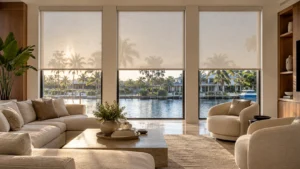
Motorized shades are another important variable. Shade pricing depends on window dimensions, quantity, fabric, opacity, mounting conditions, and whether windows require special shapes or oversized treatments. In South Florida, large glass openings are common, particularly in waterfront and high-rise properties. Shades often become a significant part of the overall HomeWorks investment because they contribute to privacy, glare management, comfort, and protection for furnishings.
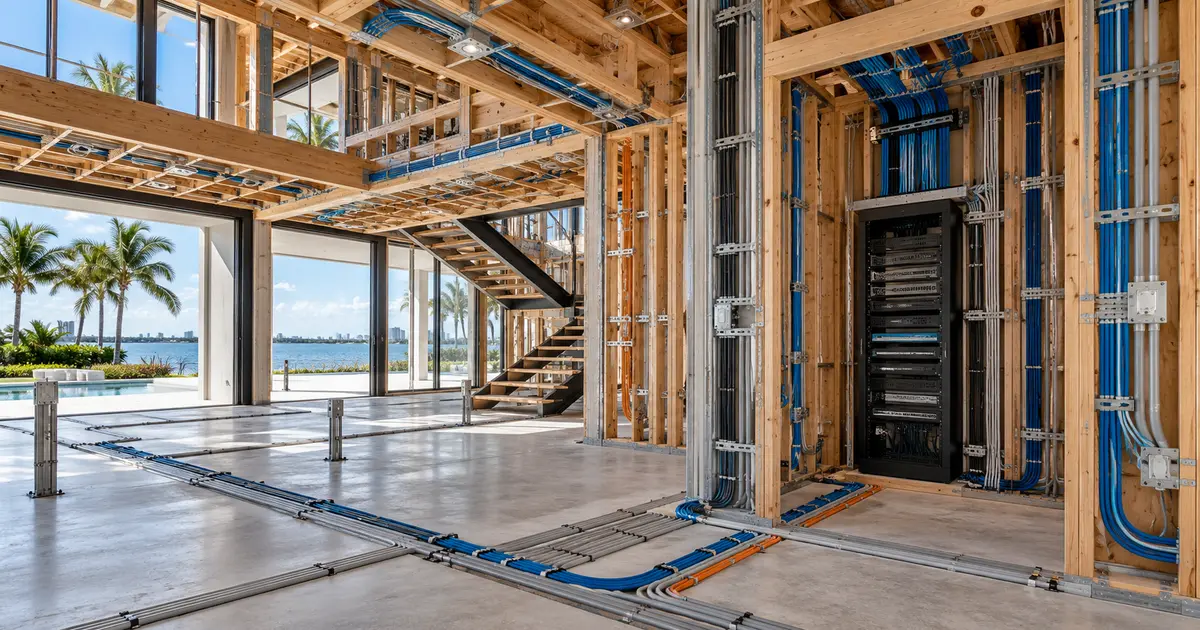
The home’s construction also changes the scope. New construction provides the clearest path for centralized panels and low-voltage control wiring. In a completed home, access to walls, ceilings, and electrical locations may be limited. A retrofit can still produce an excellent result, but installation methods must be planned around finished surfaces, occupied spaces, and architectural details.
Three Realistic Project Scenarios
A focused HomeWorks project for a luxury condominium may center on the entry, great room, kitchen, primary suite, and key window coverings. If the property has a manageable number of lighting zones and shades, the total can remain near the lower end of the range. This approach gives homeowners refined scene control where they spend the most time without requiring every room to be included on day one.
A whole-home system for a 5,000- to 8,000-square-foot residence usually involves many more circuits, keypad locations, and lighting scenes. At this level, homeowners often include common areas, bedrooms, hallways, exterior spaces, and selected shades. Pricing commonly lands in the middle range, depending on fixture requirements and the level of shade coverage.
An estate-scale project may incorporate the main residence, guest house, cabana, landscape lighting, pool area, full-window shade automation, and integrated control of AV, security, gates, and climate. The HomeWorks portion of a project like this can be substantial, but it also creates one clear control experience instead of a collection of unrelated apps and wall controls.
The strongest approach is not to select features only by room count. Prioritize the experiences that matter most: arriving home after dark, hosting guests, protecting privacy at night, managing bright afternoon sun, and shutting down the property when traveling. A phased design can preserve future expansion capability while focusing the initial scope on the areas that deliver the greatest daily value.
New Construction vs. Renovation Costs
For new construction, the HomeWorks conversation should begin during architectural and electrical planning. Early coordination allows the system to be designed around proper panel locations, wiring pathways, lighting loads, keypad placement, and shade infrastructure. It also gives the interior designer time to select keypad finishes and engravings that complement the home.
Renovations require the same level of design attention, with additional consideration for existing wiring and access. In some cases, a distributed control design can reduce disruption while still providing sophisticated scene control. The practical question is not whether a home is new or existing. It is whether the design team has identified the control requirements early enough to avoid compromises after finishes are installed.
How to Compare HomeWorks Proposals
When evaluating proposals, compare scope before comparing the total. One proposal may include only hardware, while another includes programming, fixture compatibility review, coordination meetings, installation, final commissioning, and client training. Those are not equivalent offers.
Ask how many lighting loads, keypad stations, shade openings, and scenes are included. Confirm whether engraved keypads, panel enclosures, power supplies, wiring, and programming are covered. If shades are part of the project, verify the fabric category, mounting method, and any construction requirements. For an integrated home, also clarify which systems will communicate with HomeWorks and who is responsible for making that coordination work.
The installation partner matters as much as the equipment. HomeWorks is a premium platform capable of exceptional results, but the final experience depends on design discipline, clean installation, precise programming, and responsive support after move-in. Sentry Audio Video approaches these projects as complete technology environments, coordinating lighting control with entertainment, security, networking, and the infrastructure behind them.
Plan the System Around the Way You Live
The most useful HomeWorks system feels natural because it removes small daily decisions. A single bedside keypad can set the room for evening, close shades, and prepare the home for sleep. An entry scene can bring exterior and interior lighting to the right levels before guests arrive. A vacation setting can make an empty property appear lived in while supporting security planning.
Those outcomes are what make pricing meaningful. Start with a professional consultation, share architectural plans and lighting schedules if available, and identify the spaces and routines that deserve the most attention. A detailed design will provide a more accurate number and, more importantly, a system that performs beautifully long after installation is complete.