
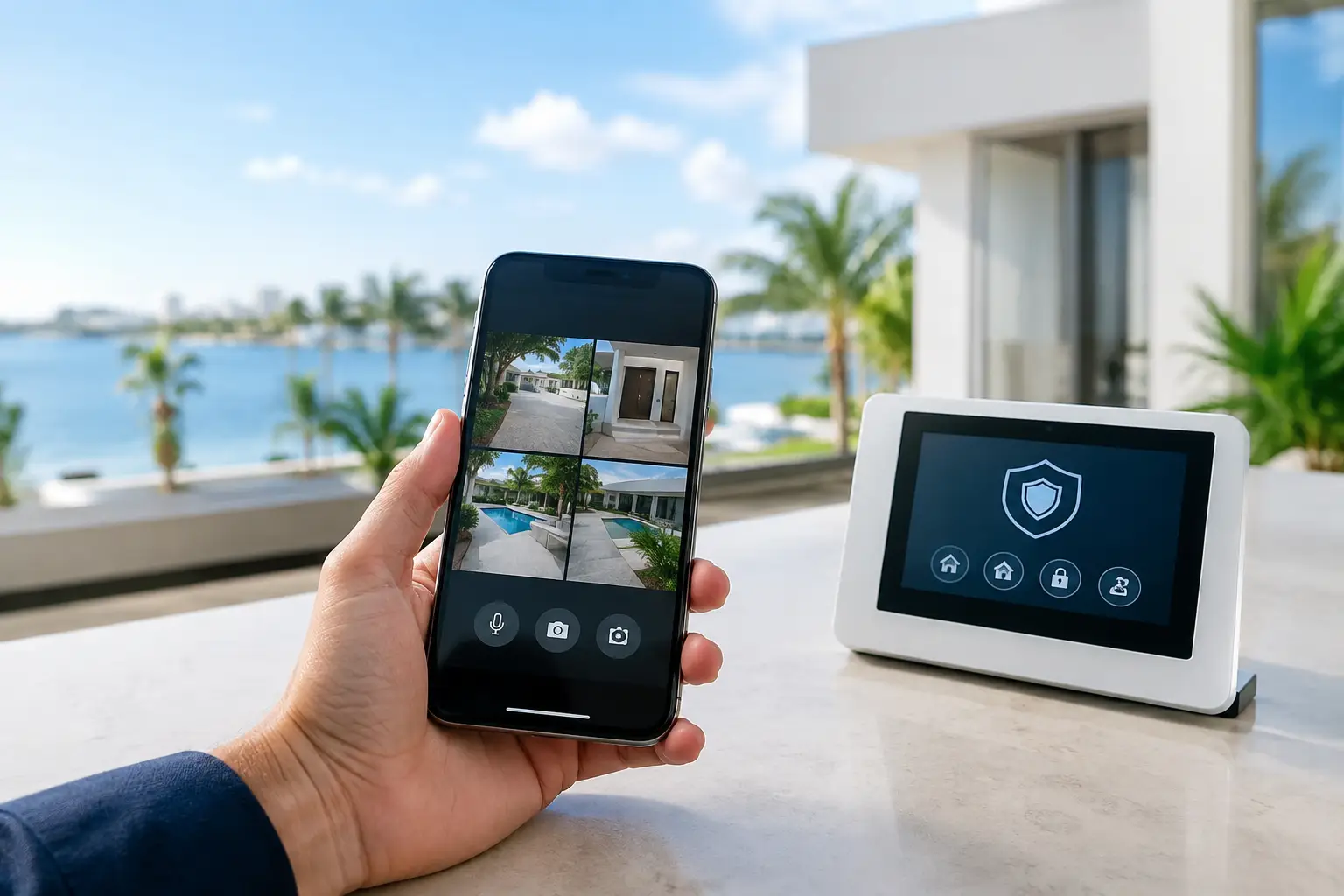
A security system can look fully intact on the wall and still leave a property exposed. Perhaps the previous owner canceled service, a monitoring provider changed hands, a communicator stopped reporting, or a business inherited an alarm system with no clear records. An alarm monitoring takeover Boca Raton property owners arrange is the process of confirming that an existing system can communicate reliably with a professional monitoring center and that the right people will be notified when it matters.
For a residence, that may mean restoring protection after a move, renovation, or lapse in service. For a commercial property, it can mean verifying that intrusion alarms, access points, panic devices, and designated contacts are working as intended before operations continue. The goal is not simply to activate an account. It is to understand the system, test the communication path, and take ownership of performance.
What an Alarm Monitoring Takeover Actually Includes
A takeover is often assumed to be a paperwork change. In practice, it should begin with a qualified assessment of the equipment already installed. The control panel, keypads, door and window contacts, motion sensors, sirens, backup battery, and communication device all play a role in whether an alarm reaches the monitoring center.
The technician first identifies the system and its current condition. Some panels remain reliable for years and can be reprogrammed for a new monitoring relationship. Others use outdated communication methods, have unsupported components, or show signs of poor installation. In those cases, retaining every existing part may not be the right decision.
A proper takeover also establishes who has authority over the account. That includes primary and secondary contacts, emergency instructions, passcodes, authorized users, and any special dispatch notes. For a business, it may include opening and closing schedules, manager contacts, and procedures for alarms that occur after hours.
The difference is significant. A system that makes noise locally is not the same as a professionally monitored system that has been tested to report signals accurately and follow defined response instructions.
Why Boca Raton Properties Need a Careful Assessment
Boca Raton homes and businesses often have more than a basic alarm panel. A property may include surveillance cameras, gate access, pool areas, detached structures, multiple entry points, smart locks, perimeter devices, and integrated automation. The security system may have been installed in phases by different providers, especially in an established home or renovated commercial space.
That complexity is why an alarm takeover should not rely on assumptions. A keypad may show a normal display even when a panel is no longer sending signals over an active communication path. A sensor can appear installed but have a weak battery, poor placement, or a damaged connection. A previously programmed user code may still be active long after a property changes hands.
There is also the question of cellular communication. Older alarm systems may have depended on landline service or legacy cellular formats that are no longer dependable. A modern cellular communicator can provide a more reliable path to the monitoring center, particularly when paired with properly maintained backup power. The exact solution depends on the panel, property layout, and the level of protection required.
For larger residences and commercial environments, a site visit provides the clarity that a phone-based activation cannot. It reveals what can be retained, what should be upgraded, and whether the system supports the performance expected from a professionally managed security solution.
The Takeover Process, From Assessment to Testing
A reliable takeover follows a deliberate sequence. First, the existing system is evaluated for compatibility, condition, and communication capability. The technician checks the panel model, power supply, backup battery, keypad operation, device zones, and visible wiring or wireless components.
Next comes a review of the reporting method. The system must have a dependable way to send alarm, trouble, supervisory, and restoration signals to the monitoring center. If the installed communicator is obsolete or inactive, it may need replacement before monitoring can begin. This is one of the most common turning points in a takeover because communication technology changes faster than many property owners realize.
Once the system is ready, account details and monitoring instructions are configured. This is the moment to update every contact and decide how specific situations should be handled. A vacation home, family residence, medical office, restaurant, or office suite may all require different call lists and response procedures.
The final step is verification. Devices should be tested in coordination with the monitoring center so there is documented confirmation that alarm signals are received correctly. This should include more than one sensor. It should test the panel’s ability to communicate, the audible alarm function, and any relevant life-safety or supervisory conditions within the scope of the system.
A professional provider should explain the results clearly. If a component needs attention, the property owner should understand why, what the consequence is, and what options are available before work proceeds.
When Existing Equipment Can Stay and When It Should Change
Keeping an existing alarm system can be a smart choice when the panel is supported, the devices are in good condition, and communication can be brought up to current standards. It may reduce disruption in a finished home or occupied business while preserving equipment that continues to perform well.
However, a takeover is also the right time to address weaknesses that were hidden by the previous setup. Common concerns include depleted backup batteries, unsecured or poorly placed sensors, nonreporting zones, aging keypads, inactive cellular communicators, and incomplete records of system programming.
The decision is rarely all or nothing. A property may retain the control panel and many sensors while receiving a new communicator, refreshed batteries, additional protection at vulnerable openings, or revised user management. In other cases, especially with unsupported panels or major renovations, a new system provides stronger long-term reliability and cleaner integration with surveillance, access control, or smart home controls.
The right recommendation depends on the property, the condition of the installed system, and how the space is used. A high-value residence that sits vacant part of the year has different priorities from an office that needs employees to arm and disarm the system every day.
Do Not Confuse Intrusion Monitoring With Fire Monitoring
Intrusion alarm monitoring and fire alarm monitoring are related but distinct services. A security panel may cover doors, motion detection, glass break sensors, panic devices, and environmental alerts. A fire alarm system has its own code, inspection, testing, and monitoring requirements depending on the occupancy and installed equipment.
Commercial property owners should be especially careful not to assume that a security account takeover automatically transfers responsibility for fire alarm monitoring. The systems may report through different equipment and may require separate testing, documentation, or service arrangements. If a facility has fire alarm devices, the takeover conversation should identify them from the start.
Clear scope protects everyone involved. It ensures the property owner understands which systems are being monitored, which signals are expected, and where additional service may be required.
Questions Worth Asking Before You Transfer Monitoring
Before approving a monitoring takeover, ask whether the installed panel is supported and whether its communicator uses a current reporting method. Confirm that the provider will perform signal testing with the monitoring center rather than merely activate an account.
Ask who will program and document the contact list, passcodes, and dispatch instructions. You should also understand whether the service includes a review of backup power, existing sensors, and any zones that are bypassed or not functioning. For businesses, clarify after-hours call procedures, authorized users, and who can make account changes.
It is equally reasonable to ask who will support the system after activation. Security is not a one-time event. Batteries age, property use changes, staff turns over, and renovations can affect sensors and wiring. A service partner should be available to help maintain the system rather than disappear once the account is active.
A Better Starting Point for Long-Term Protection
An alarm takeover is an opportunity to replace uncertainty with verified protection. Instead of relying on inherited equipment, old contacts, or a panel that has not been tested in years, property owners can establish a clear monitoring plan backed by professional evaluation and ongoing support.
Sentry Audio Video approaches security as part of a complete property technology system. That perspective is valuable when alarm monitoring needs to work alongside surveillance, communications, access control, and integrated home or business controls. Clean execution matters, but dependable performance matters more.
Before you trust an existing system with your home, family, employees, or property, make sure it has been inspected, configured for the right response, and tested from device to monitoring center. That is the standard a takeover should meet.
Residential Camera & Alarm Takeover Services
Get an assessment of existing alarm equipment, camera coverage, recording, remote access and upgrade options. Choose your service location below.