A Palm Beach estate can contain dozens of connected systems working quietly behind the walls, in equipment racks, outdoors, and across multiple buildings. An estate technology maintenance plan Palm Beach homeowners can rely on is what keeps those systems responsive when guests arrive, a security alert occurs, or the family simply wants to enjoy the property without troubleshooting it.
The value is not limited to fixing something after it fails. Professional maintenance protects the considerable investment in a custom technology environment by finding small issues before they affect security, entertainment, communications, comfort, or network access. It also gives the property owner one accountable team that understands how every component was designed to work together.
Why Estates Need a Different Level of Technology Care
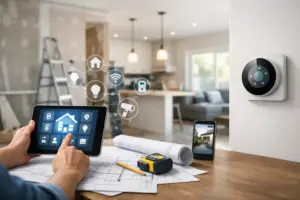
A large residence has different operational demands than a single-room installation. There may be whole-home audio and video, a theater, distributed Wi-Fi, surveillance cameras, access control, motorized shades, pool and outdoor entertainment controls, climate interfaces, intercoms, structured wiring, and dedicated equipment rooms. Each system has its own software, firmware, network requirements, and physical components, yet performance in one area can affect another.
For example, a network issue may first appear as a camera that will not load, an audio zone that drops out, or an automation touchscreen that responds slowly. Without an integrator who understands the complete system, service can become fragmented. One provider addresses the network, another looks at the cameras, and another handles the control system – while the underlying cause remains unresolved.
Palm Beach properties add environmental considerations. Heat, humidity, salt air near the coast, landscaping activity, seasonal occupancy, and frequent entertaining all place added demands on outdoor displays, speakers, cameras, gate equipment, network enclosures, and cabling. Maintenance should account for how the estate is actually used, not just what equipment is installed.
What an Estate Technology Maintenance Plan Should Cover
The right plan is tailored to the property. A family residence occupied year-round needs a different service cadence than a seasonal estate, a waterfront property, or a home with a guest house, dock, and extensive outdoor living areas. Still, a complete maintenance relationship should address several essential responsibilities.
System health and preventive inspections
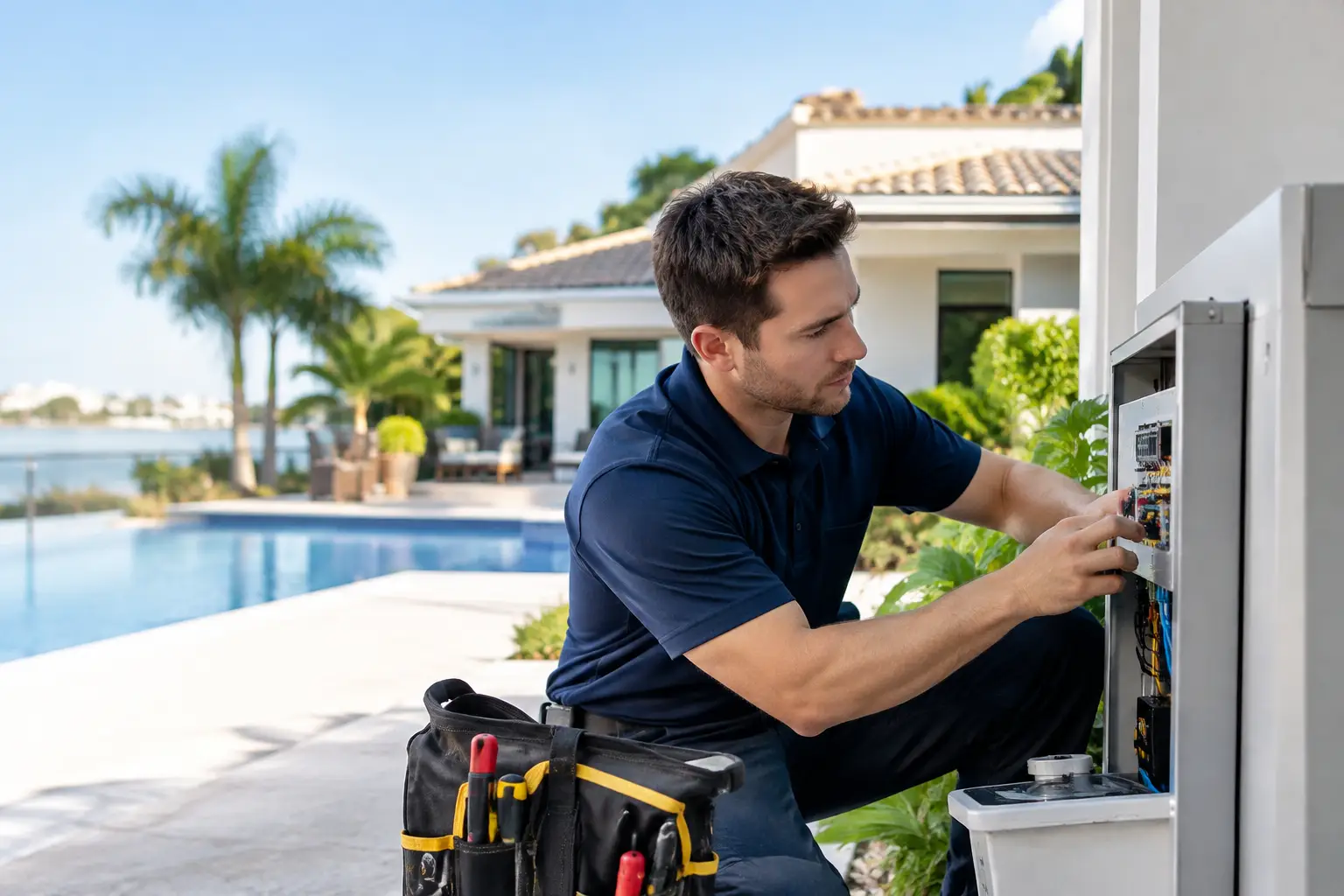
Scheduled inspections allow a qualified technician to assess equipment before a noticeable failure occurs. This includes checking rack ventilation, power conditioning, battery backup status, cable connections, component temperatures, and the general condition of central equipment. A clean, organized rack is more than an aesthetic detail. It makes diagnostics faster, supports proper airflow, and reduces the risk of an accidental disconnect during future service.
Outdoor technology deserves particular attention. Camera housings, speaker grilles, display connections, weatherproof enclosures, and mounting hardware can all be affected by moisture, insects, debris, and corrosion. An inspection can identify exposure-related wear while replacement or adjustment is still straightforward.
Network performance and device management
The network is the operating foundation for most modern estate systems. It supports streaming, security video, automation controls, wireless access, remote monitoring, communications, and connected equipment throughout the property. When it is poorly maintained, the symptoms can be scattered and frustrating.
A professional maintenance plan includes reviewing network performance, access point coverage, device connectivity, and the condition of switches, routers, and backup power. It should also include thoughtful software and firmware management. Updates can resolve security concerns and improve performance, but they should never be applied carelessly to a working estate system. A qualified integrator evaluates compatibility, schedules updates appropriately, and verifies operation afterward.
Security and surveillance verification
Security technology must work when it matters, not merely appear online during a casual check. Maintenance should verify camera views, recording status, remote access, storage capacity, notifications, and critical access points. Cameras can shift after storms or landscaping work. Lenses can become obstructed. Recording equipment can reach capacity or develop a fault that is not apparent until footage is needed.
For properties with integrated security, fire alarm, communications, or gate systems, coordination is especially valuable. The goal is a clear, tested response across the systems that protect the property, family, staff, and guests.
Control, entertainment, and lifestyle systems
A well-designed home should make complex technology feel simple. That depends on reliable control interfaces, properly operating audio and video zones, and a system that remains intuitive for family members, guests, and household staff.
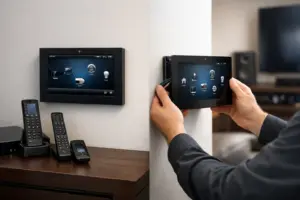
Routine service can test theater performance, distributed audio, video distribution, control remotes or touch panels, shades, outdoor entertainment areas, and pool-related integrations. It is also the right time to address changes in how the home is used. Perhaps a guest suite is now used more frequently, a new outdoor space was completed, or staff members need clearer control permissions. These are not always repair issues, but they are meaningful improvements to the day-to-day experience.
The Difference Between On-Call Service and Ongoing Care
On-call service has its place. If an unexpected issue occurs, you want an experienced professional who can respond with urgency. However, waiting for an issue to become disruptive is rarely the strongest way to manage a complex property.
An ongoing maintenance plan establishes familiarity. The service team maintains accurate system documentation, understands the estate’s equipment layout, knows the owner’s priorities, and can identify recurring concerns. This saves time during urgent situations because the technician is not starting from zero.
It also makes planning easier. Technology components do not all reach end of life at the same time. A maintenance partner can advise when a replacement is becoming prudent, which updates are likely to affect the system, and how to phase improvements without disrupting the rest of the estate. That is a more controlled approach than reacting to a failure during a holiday weekend or an important event.
Choosing the Right Service Level for Your Property
There is no single maintenance schedule for every Palm Beach estate. The appropriate level depends on the size and complexity of the system, the number of connected buildings, whether the home is seasonally occupied, and how heavily the technology is used.
A focused plan may include regular remote monitoring, periodic onsite inspections, priority service, and documented software management. A more extensive property may require scheduled testing of security and entertainment zones, seasonal opening or closing support, closer coordination with estate managers, and faster response expectations. The most useful plan is specific about what is monitored, how often onsite visits occur, how service requests are handled, and what reporting the owner receives.
Ask whether the provider designed and installed the system or can document it thoroughly if another firm performed the original work. Ask how they handle software updates, what happens if a key component fails, and whether they can support both lifestyle technology and protective systems. Broad technical capability matters because it reduces handoffs between providers when an issue crosses categories.
Maintenance Protects the Experience of the Home
Estate technology should support a property without demanding constant attention. Music should be available in the spaces where it is wanted. Cameras should provide a clear view of the grounds. Shades, lighting interfaces, entertainment areas, and control systems should respond predictably. Above all, the owner should feel confident that the infrastructure behind those experiences is being professionally managed.
That confidence is the real purpose of a maintenance plan. It preserves performance, creates a documented path for future improvements, and gives homeowners a trusted point of contact when the property needs attention. For Palm Beach estates where technology is central to security, comfort, and entertaining, Sentry Audio Video can provide the consistent oversight that turns a sophisticated installation into a system you can depend on every day.