A camera can record an event, but recording alone is no longer the standard for a well-protected property. The security technology future is about helping owners see what matters sooner, confirm what is happening quickly, and manage the entire property without juggling separate apps, remotes, and service providers. For high-value residences and professionally managed businesses, that shift changes security from a collection of devices into an operating system for the property.
The goal is not to fill a home or facility with more technology. It is to create a carefully designed system where surveillance, access control, communications, automation, network infrastructure, and professional support reinforce one another. When those elements are planned together, security becomes easier to use, more dependable, and far more useful when a real decision must be made.
The Security Technology Future Starts With Integration
For years, security systems were often added in layers. Cameras were installed after construction, access control was handled separately, and smart controls arrived later as another standalone platform. That approach can work at a basic level, but it can also leave property owners with fragmented control, inconsistent performance, and blind spots between systems.
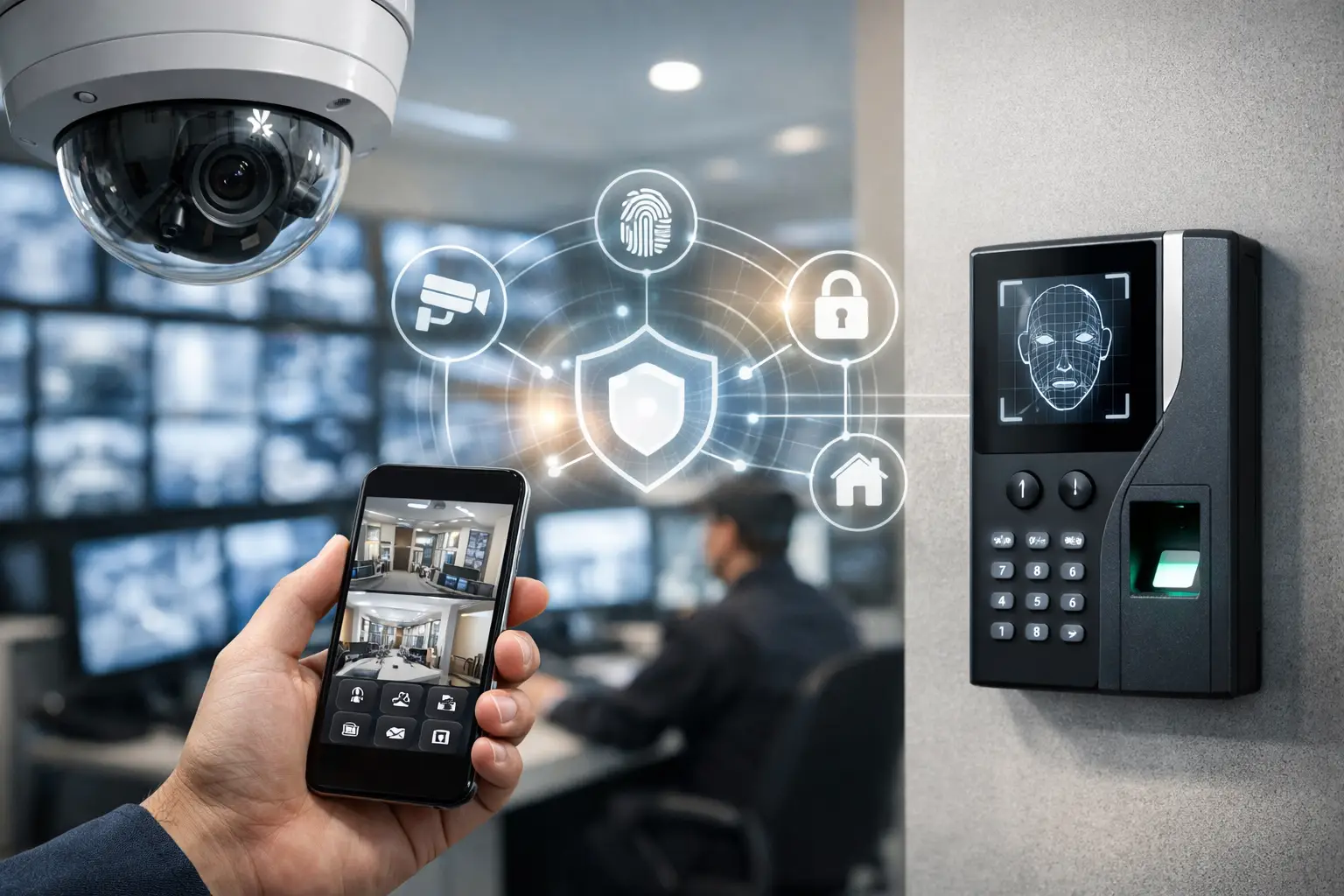
The future points toward integrated design. A video doorbell, perimeter camera, gate, intercom, lighting scene, and access credential should not operate as unrelated products. They should work within a system that supports clear, intentional responses. A homeowner may receive a verified visitor notification, view the entry point, speak through an intercom, unlock a designated door, and turn on exterior lighting from one intuitive interface. A business manager may review a delivery entrance, grant time-limited access, and maintain a record of activity without leaving the office.
Integration also brings discipline to system design. Cameras need reliable network capacity. Wireless controls need thoughtful coverage. Equipment needs clean installation, proper power protection, and a plan for maintenance. The difference is often invisible after installation, but it is felt every day in response time, image quality, and ease of control.
One Property, One Clear View
Centralized control does not mean every function must be automated. It means the right functions are available in the right place. A wall-mounted touch panel near a primary entrance, mobile access for authorized users, and a simple control station at a commercial reception desk can each serve a purpose.
The right level of control depends on the property. A waterfront residence with multiple outdoor zones may benefit from integrated gates, cameras, pool-area monitoring, and lighting. A retail, hospitality, or office setting may place greater emphasis on user permissions, communication, and after-hours awareness. Professional system design begins with how the property is actually used, not with a preselected package.
From Passive Recording to Meaningful Awareness
Modern surveillance is moving beyond the idea that footage is only useful after an incident. Higher-resolution imaging, improved low-light performance, intelligent search tools, and analytics can help turn a large volume of video into useful information.
The value is not in receiving constant alerts. In fact, too many notifications can cause people to ignore the system altogether. Effective security technology filters activity so owners and managers can focus on events that deserve attention. The configuration should reflect the environment: a busy sidewalk near a storefront needs different notification rules than a private side gate or a restricted service entrance.
Intelligent detection can distinguish between categories of activity, identify movement within defined areas, and support faster video review. Used thoughtfully, these capabilities reduce the time required to locate a meaningful event. They do not replace sound judgment or trained response, but they make the system more practical for daily use.
There is also a privacy consideration. Cameras should be positioned around legitimate security objectives, with appropriate attention to areas where privacy is expected. For businesses, recorded video and access data should be handled with clear internal policies. Advanced capabilities are valuable only when they are deployed responsibly and managed well.
Access Control Will Become More Flexible
Keys are simple, but they are difficult to track once they leave an owner’s hand. Modern access control gives property owners greater command over who can enter, where they can go, and when their access should end.
For residences, that may mean granting a service professional access during a scheduled window while the owner is away, or allowing a family member to enter without distributing physical keys. For commercial properties, credentials can be assigned by role, area, and schedule. An employee may have access to a main entrance and work area during business hours, while a manager has broader access after hours.
The future of access control is not simply mobile credentials or biometric options. It is accountability paired with convenience. Every access method has trade-offs. Mobile credentials are convenient but depend on properly managed user devices. Biometric access can be fast and secure in the right application, yet it requires careful consideration of privacy, user acceptance, and the environment where it will be used. Traditional credentials still have a place, particularly when reliability and simple administration are priorities.
The strongest approach is usually layered: secure entry hardware, well-defined permissions, video verification at key points, and a process for adding or removing users promptly.
The Network Is Part of the Security System
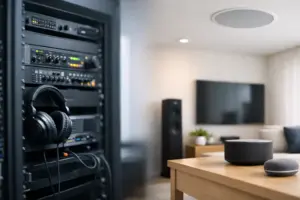
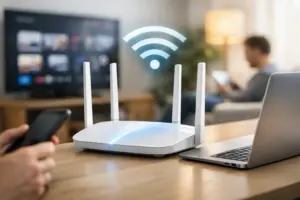
A security system is only as dependable as the infrastructure carrying its video, alerts, and controls. This is especially true in large homes, renovated properties, and businesses where cameras, wireless access points, touch panels, audio/video systems, and communications equipment share the same network environment.
A professionally planned network separates critical traffic where appropriate, provides the capacity needed for high-resolution video, and places equipment in organized, serviceable locations. Structured cabling remains essential because it provides a stable foundation for cameras, access points, intercoms, and control hardware. Wireless technology is valuable, but not every security device should rely on it when a wired connection is practical.
This infrastructure-first perspective is one reason security and lifestyle systems should be coordinated early in a construction or renovation project. It avoids visible wiring, unnecessary rework, and the compromises that occur when each system is treated as an afterthought.
Automation Can Improve Response, Not Just Convenience
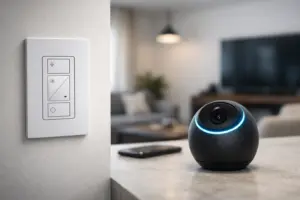
Automation earns its place in security when it supports awareness and response. Exterior lights can activate when activity occurs in a defined area. A gate call can trigger a camera view on a dedicated display. At closing time, a business can use a single command to secure authorized entry points, adjust lighting, and confirm that designated areas are ready for the night.
These scenes should be purposeful and predictable. Overly complicated automation can frustrate users, particularly when an expected manual control is difficult to find. The best systems give owners straightforward control first, then add intelligent sequences where they create a real benefit.
For families, this can also support everyday peace of mind. A simple evening scene may secure selected doors, arm designated areas, lower motorized shades, and provide an easy way to check exterior cameras. The technology should fit the household routine rather than forcing the household to adapt to it.
What Property Owners Should Plan for Now
Technology will continue to evolve, but a property does not need to chase every new feature to remain well protected. The most durable investment is a design that allows the system to grow: adequate cabling, properly sized network equipment, accessible equipment locations, and platforms selected for long-term support.
Before moving forward, owners should consider four practical questions:
- Which entrances, exterior areas, and interior spaces require verified visibility?
- Who needs access, and should that access vary by time, role, or location?
- What information requires an immediate alert, and what can remain available for review?
- Who will support the system after installation, including updates, changes, and service needs?
These questions move the conversation beyond camera count or door hardware. They focus the project on performance over time.
Sentry Audio Video designs security systems as part of a complete technology environment, coordinating surveillance, access, automation, communications, and the infrastructure behind them. For properties across South Florida, that single-source approach helps ensure every component is installed with the same standard of workmanship and accountability.
The right next step is a professional assessment of how your property operates today and where uncertainty still exists. A thoughtfully designed system should give you more than footage and alerts. It should give you confidence that your home or business is easier to monitor, simpler to manage, and prepared for what comes next.