A door that will not release for an authorized employee is more than an inconvenience. It can delay opening procedures, frustrate tenants and visitors, interrupt deliveries, and create uncertainty about who can enter your building. Professional commercial access control repair Fort Lauderdale businesses can rely on starts with identifying the actual point of failure – not simply replacing the most visible component.
For offices, retail locations, hospitality properties, medical practices, multifamily communities, and other commercial facilities, access control is part of daily operations. Card readers, keypads, mobile credentials, electric locks, intercoms, gates, cameras, and management software must work together. When one part fails, the problem may be mechanical, network-related, power-related, or rooted in system programming.
What Access Control Failures Really Look Like
Some failures are obvious: a reader has no lights, a door remains unlocked, or a keypad will not accept a valid code. Others are intermittent and therefore harder to diagnose. A door may work throughout the day but fail after hours, credentials may be rejected only at one entrance, or a gate may respond slowly during periods of high traffic.
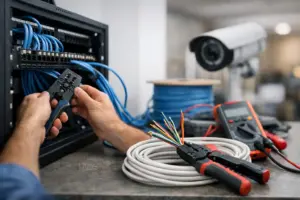
These details matter. A technician who understands integrated commercial systems looks beyond the reader itself. They evaluate the door hardware, lock function, request-to-exit devices, power supplies, cabling, network connection, control panel, and software configuration. This approach prevents a temporary fix from becoming a recurring service call.
In Fort Lauderdale, salt air, humidity, heavy rain, and high-use entry points can accelerate wear on exterior devices and enclosures. A properly designed commercial system accounts for the environment, but even premium equipment needs periodic inspection and responsive service.
Commercial Access Control Repair in Fort Lauderdale: Common Causes
Door Hardware and Lock Problems
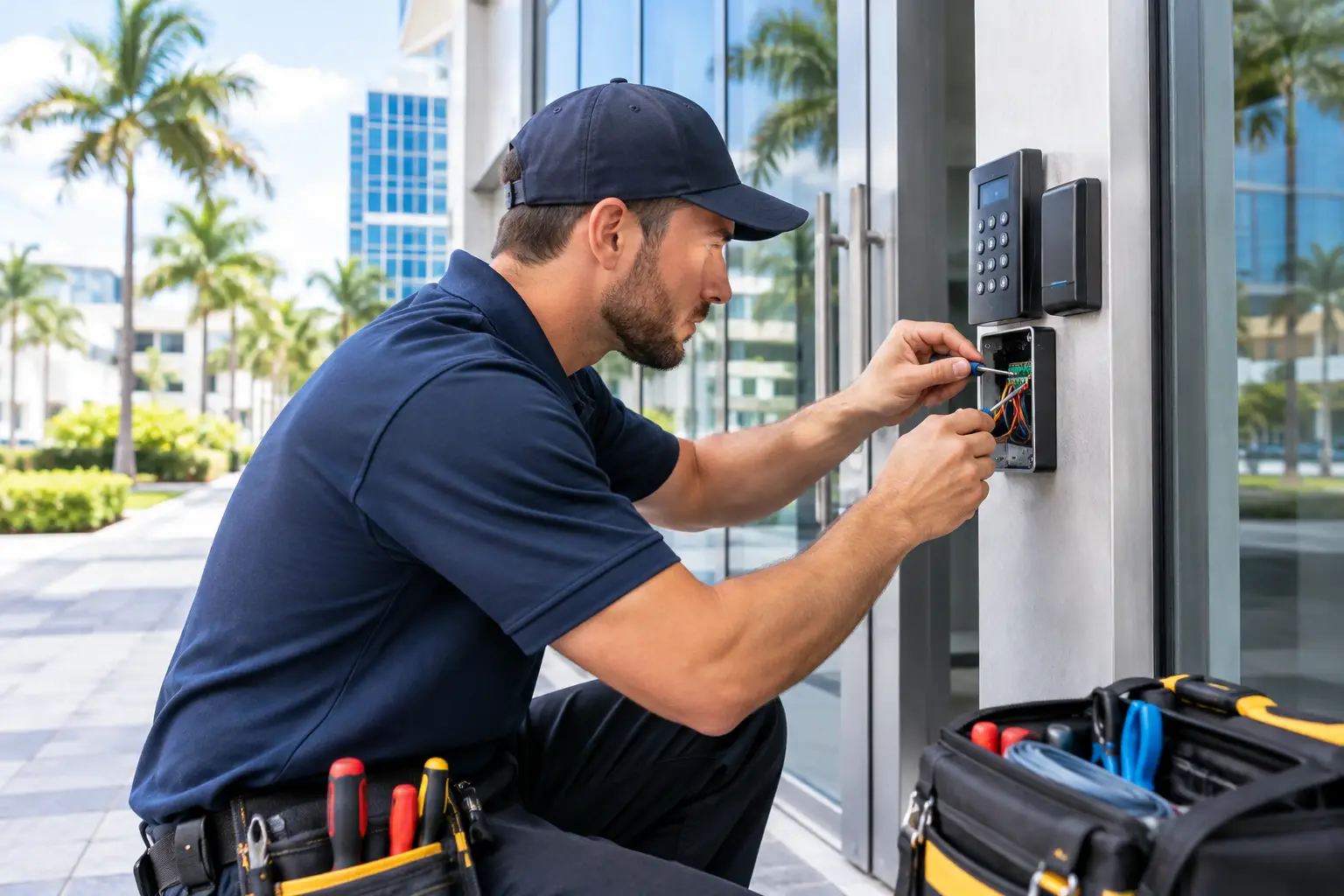
Access control depends on the physical door performing as intended. A misaligned strike, worn closer, binding latch, loose hinge, or damaged frame can prevent an electric strike or magnetic lock from operating correctly. The reader may recognize the credential perfectly, while the door still refuses to open.
This is especially common at busy employee entrances, common-area doors, and exterior doors exposed to weather. Correcting the alignment and confirming appropriate lock operation is essential for both security and safe egress.
Power Supply and Wiring Issues
Low voltage power problems are a frequent source of inconsistent performance. A failing power supply, depleted backup battery, loose termination, damaged cable, or overloaded circuit can cause a reader to flicker, a lock to chatter, or a controller to go offline.
The right repair includes testing the system under operating conditions, not just confirming that a device powers on. A component can appear functional during a quick inspection yet fail when multiple doors activate or backup power is required.
Controller, Network, and Software Errors
Modern systems often depend on a local controller, managed network connection, cloud platform, or combination of all three. When a controller loses communication, employees may be unable to use credentials, activity records may stop updating, and administrators may lose the ability to add or remove users.
The solution depends on the architecture of the system. A standalone door may require a different service approach than a multi-site platform connected to cameras, alarms, elevators, or visitor management. Experienced integration support is valuable because it addresses both the opening at the door and the management tools behind it.
Credential and Programming Conflicts
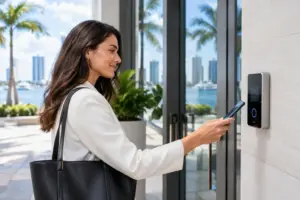
A credential issue does not always mean the card or fob is defective. Expired permissions, incorrect schedules, duplicate user records, door groups, and recent software changes can all affect access. The same is true for mobile credentials, which may be impacted by enrollment settings or account permissions.
A professional technician can determine whether the problem is isolated to one user, one door, a group of doors, or the entire system. That distinction saves time and helps management avoid unnecessarily issuing new credentials to every employee.
Why Fast Repairs Should Still Be Methodical
When a protected entry stops working, the immediate instinct is to restore access as quickly as possible. That urgency is justified, but it should not lead to shortcuts. A door left unsecured may expose the property, while a door that cannot release properly can disrupt operations and create safety concerns.
A quality repair process begins with the symptoms: what happened, when it started, which doors are affected, and whether recent changes were made to the facility or user database. From there, the technician traces the system path from credential to controller to lock hardware. This makes it possible to isolate the cause and document the repair clearly.
For some properties, the right answer is a targeted repair. For others, repeated failures may signal aging infrastructure, poor original installation practices, equipment that no longer fits the facility’s needs, or a system that has outgrown its capacity. Repair and replacement are not interchangeable decisions. The condition of the cabling, hardware, controller, security requirements, and planned growth should guide the recommendation.
Signs Your System Needs More Than a Service Call
One repaired reader does not necessarily mean the entire system needs replacement. However, a broader review is worthwhile when problems become repetitive or when security expectations have changed. Consider an evaluation if your property is experiencing several of the following conditions:
- Multiple doors have intermittent failures or require repeated resets.
- Former employees or vendors may still have active credentials.
- Management cannot easily review access activity or make user changes.
- Your system does not integrate with surveillance, intercom, or visitor workflows where that would add value.
- Exterior doors and gates show weather-related deterioration.
- The business has expanded, added tenants, changed hours, or opened additional locations.
A thoughtful assessment should not force a one-size-fits-all upgrade. Some facilities need stronger door hardware and better power management. Others benefit most from centralized administration, mobile credential capability, improved visitor entry, or coordinated video verification. The objective is dependable control that supports how the business actually operates.
Access Control Is Stronger When It Works With the Rest of the Property
A standalone keypad can manage a simple opening, but commercial properties often need a more connected solution. When access events can be reviewed alongside video surveillance, managers can verify what occurred at a door without relying on guesswork. When intercom, gate, and access systems are planned together, visitors can be screened and admitted through a more controlled workflow.
Integration also improves accountability. A facility manager may need to know when a contractor entered a restricted area, whether a delivery entrance was propped open, or who accessed the building after regular hours. Clear event records and correctly configured permissions create a more manageable security environment without making authorized access difficult.
That said, more integration is not automatically better. A small professional office may need straightforward credential management and reliable entry hardware, while a large commercial property may require multi-door, multi-user, and multi-system coordination. The system should fit the operational need, not add complexity for its own sake.
Choosing a Partner for Commercial Access Control Repair
The right service partner should be comfortable working across security hardware, structured cabling, networks, surveillance, communications, and system programming. That range matters because commercial access issues rarely stay neatly within one category.
Look for a team that communicates clearly about the source of the problem, the condition of the existing system, and the practical options available. Clean workmanship also matters. Control panels, power supplies, cable pathways, and door hardware should be organized, labeled, protected, and serviceable for the long term.
Sentry Audio Video brings a full-service integration perspective to commercial environments throughout Fort Lauderdale and surrounding South Florida communities. Whether the need is a focused repair, a system assessment, or a planned modernization, the priority is the same: secure entry that performs reliably and is easy for authorized staff to manage.
If an entry point is unreliable, do not wait for a minor access issue to become an operational or security problem. A professional evaluation can restore confidence at the door and give your team a clear path forward.