A security system should give you clear information and dependable control when it matters, not leave you wondering whether a sensor is working or an alert reached the right person. An Alarm Upgrade Boca Raton homeowners and business owners can rely on begins with a careful review of how the property is used, where vulnerabilities exist, and whether the current system can support modern protection.
For a waterfront residence, seasonal home, professional office, retail space, or multi-building property, an alarm system is not a stand-alone device. It is part of a broader protection strategy that may include surveillance, access control, lighting, communications, structured cabling, and remote management. The right upgrade improves awareness without making daily life more complicated.
When an Alarm System Has Reached Its Limits
Many properties still have alarm panels that technically function but no longer meet current expectations. A keypad may be difficult to use, notifications may be limited, and adding cameras or new sensors may require workarounds that compromise reliability. Older systems can also make it harder to identify the source of an alarm quickly.
An upgrade is worth considering when your system relies on aging phone-line communication, has recurring false alarms, or does not provide meaningful remote visibility. Changes to the property are another common reason. A renovation, new entry door, detached guest space, expanded outdoor living area, or reconfigured office can create protection gaps that the original system was never designed to cover.
Security expectations also change after a life event. Perhaps a family now spends part of the year away from Boca Raton, a business has added employees, or a property manager needs authorized access without sharing physical keys. In these situations, the question is not simply whether the alarm can sound. It is whether the entire system gives the owner timely, actionable information.
What a Professional Alarm Upgrade Should Deliver
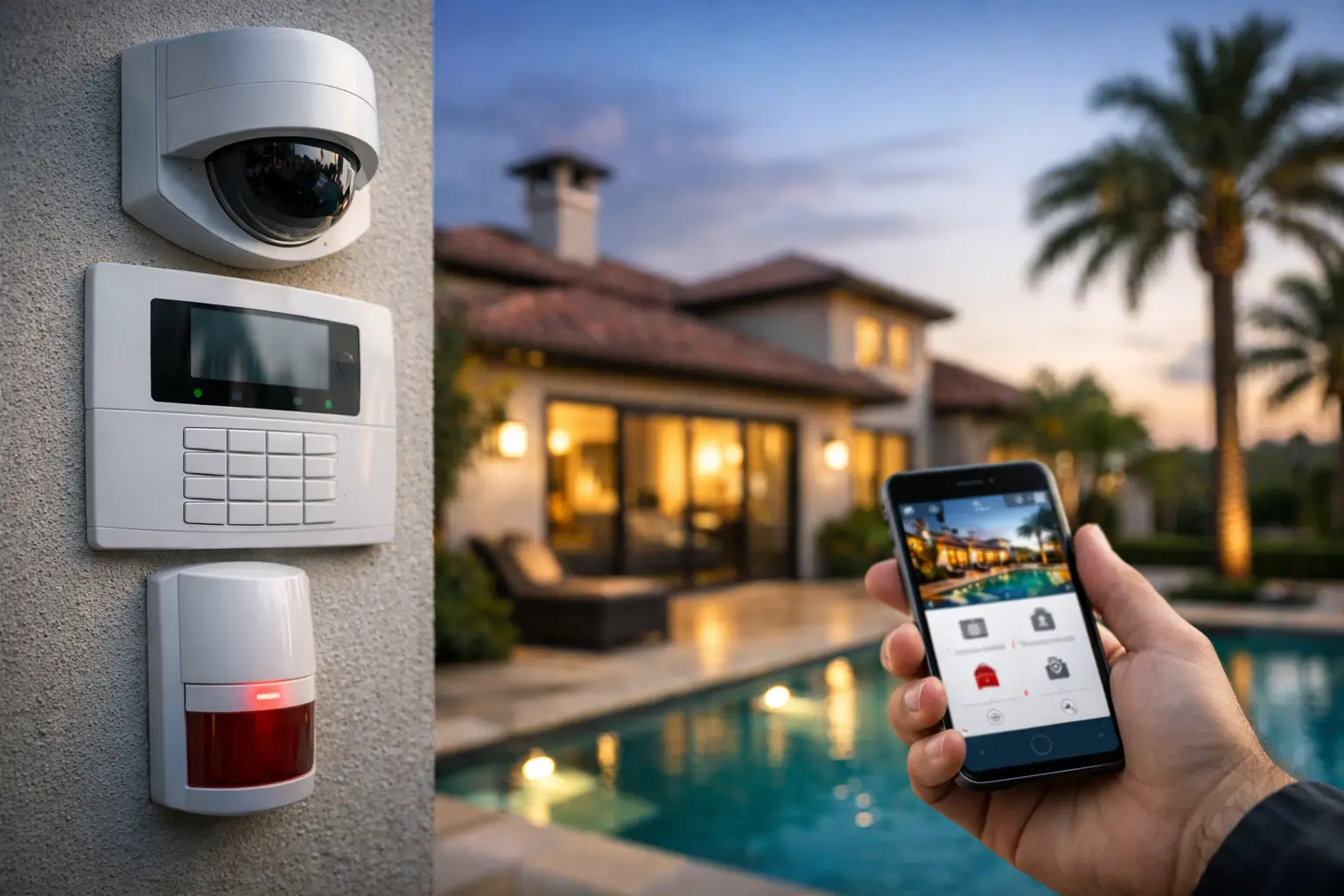
A properly designed alarm system combines dependable detection with clear control. Door and window contacts, motion detection, glass-break sensors, panic devices, environmental monitoring, and exterior detection can each serve a role, but only when selected for the property and installed with purpose.
For example, a home with extensive glass overlooking a pool or patio may require a different detection plan than a condominium residence with a single controlled entry. A commercial property may need area-specific arming schedules, monitored emergency buttons, and user permissions that change as staffing changes. Placing the same devices in every building is not a security plan. It is a product list.
Modern control should also be intuitive. Property owners should be able to confirm system status, manage authorized users, and receive alerts in a way that fits their needs. Remote access is valuable, especially for second homes and business owners who move between locations, but it should be configured with appropriate permissions and dependable network infrastructure.
The quality of the connection behind the system matters as much as the panel on the wall. Alarm communication paths, battery backup, cellular capability, and network reliability should all be evaluated. A polished interface cannot compensate for weak infrastructure or incomplete programming.
Detection Designed Around Real Use
The goal is to protect the property without creating daily frustration. Pets, housekeeping schedules, family routines, staff access, and active indoor-outdoor spaces all influence sensor selection and placement. A system that constantly generates unnecessary alerts is more likely to be ignored, while a system with blind spots creates false confidence.
A professional evaluation considers how people actually move through the property. It also considers doors that may be left open during deliveries, rooms with valuable contents, areas that need after-hours restriction, and entry points that are less visible from the street. This is where experienced design makes a measurable difference.
Clear Alerts and Faster Verification
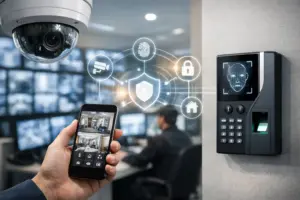
An alarm alert is more useful when it provides context. Integrating surveillance with the security system can help a property owner or authorized manager assess activity near an entry point, driveway, lobby, or perimeter. That visibility supports faster decisions while helping distinguish a genuine concern from an avoidable false alarm.
The integration must be planned thoughtfully. Cameras should be positioned for identification and coverage, not merely installed where they are convenient. Lighting, gates, access control, and recording retention may also affect how well the overall security plan performs.
How Alarm Upgrades Work With Smart Property Systems
An alarm upgrade can become more effective when it is coordinated with other systems throughout the home or business. This does not mean every feature needs to be automated. It means the systems that matter should work together predictably.
In a residence, an alarm event can be paired with selected lighting responses, camera recording, and alerts delivered to designated users. In a commercial setting, access credentials can be managed alongside security schedules so authorized personnel can enter appropriate areas without creating confusion around arming and disarming.
There are trade-offs. More integration can create greater convenience and visibility, but it also requires careful programming, reliable cabling or wireless design, and ongoing support. A simple property may need only a focused alarm modernization. A larger estate or business may benefit from a unified platform that brings security, surveillance, communications, and property controls together.
The right answer depends on the building, the people using it, and the level of control the owner wants. Good design starts with those realities rather than pushing unnecessary features.
Alarm Upgrade Boca Raton Planning for Homes and Businesses
Boca Raton properties often present security considerations that deserve more than a one-size-fits-all approach. Large glass openings, gated entries, waterfront exposure, guest accommodations, outdoor entertainment areas, and seasonal occupancy can all change the scope of protection required for a residence.
Commercial environments have their own priorities. Offices, hospitality spaces, professional practices, and retail locations may need to manage employee access, secure sensitive areas, document activity, and maintain reliable operation after business hours. A well-planned system makes security procedures easier for staff to follow rather than adding obstacles to the workday.
Before recommending equipment, a qualified integrator should assess entry points, existing wiring, network capability, current security devices, and the property owner’s operating preferences. This assessment is also the time to identify systems that should remain in place, components that can be modernized, and areas where a full replacement is the wiser long-term decision.
Upgrade the System, Not Just the Panel
Replacing an outdated control panel can be a meaningful first step, but it is not always the complete answer. Existing contacts may be worn, sensor coverage may no longer match the layout, and old wiring may need inspection. The monitoring and communication strategy should be reviewed at the same time.
A complete proposal should explain what is being retained, what is being replaced, and why. It should also account for clean installation standards, discreet device placement where appropriate, system testing, and user training. Security technology should feel organized and dependable from the day it is installed.
Questions to Ask Before Moving Forward
A strong security partner should be prepared to discuss more than equipment names. Ask how the system will communicate during a service interruption, how alerts will be managed, who can access the system, and how future additions will be handled. For commercial sites, ask how user permissions, schedules, and emergency procedures will be documented.
It is also reasonable to ask who will support the system after installation. Security needs do not end when the equipment is commissioned. Properties evolve, users change, and an occasional service need is inevitable. A trusted integration partner takes ownership of performance through proper design, installation, programming, and ongoing assistance.
Sentry Audio Video approaches alarm upgrades as part of a complete technology and security plan, with the workmanship and long-term accountability premium properties require. Whether the project involves a focused alarm update or coordinated surveillance and access control, the objective remains the same: protection that performs reliably without disrupting how the property is lived in or operated.
The most valuable next step is a professional walkthrough of the property and the existing system. With the right plan in place, your alarm system can move from an aging necessity to a dependable layer of awareness, control, and confidence.