A beautifully finished home can still feel unfinished when lighting is controlled one switch at a time. Is Lutron Lighting Control Worth the Investment? For homeowners who value comfort, refined design, dependable performance, and a property that works as thoughtfully as it looks, the answer is often yes. The value is not simply in turning lights on from a keypad or app. It is in replacing daily friction with lighting that responds naturally to how you live.
Lutron is a premium lighting control platform designed to bring fixtures, dimmers, keypads, motorized shades, and smart-home systems into one coordinated experience. When professionally designed and installed, it can improve the way a residence feels from the moment someone arrives through the end of the evening. However, it is not the right answer for every property or every scope of work. The return depends on the home’s size, the complexity of the lighting plan, and the level of performance the owner expects.
What You Are Actually Investing In
A Lutron system is often described as smart lighting, but that shorthand misses the broader benefit. A well-planned installation creates a lighting environment rather than a collection of individual controls. One button can establish the appropriate light levels across several areas, lower shades for privacy, and prepare the room for entertaining, dining, or relaxing.
For example, an “Arrive” scene can illuminate the entry, kitchen, main living areas, and landscape lighting at measured levels. A “Goodnight” command can turn off selected interior lights, leave a low path of illumination through the home, close motorized shades, and provide confidence that the property is set for the night. These details eliminate the repeated walk from room to room that conventional switches require.
The investment also includes the infrastructure behind the experience. Lutron systems use purpose-built controls, engineered dimming performance, and communication methods selected for reliable operation. The result is more consistent than assembling unrelated devices and expecting them to behave as one system. In a large residence, a waterfront property, or a renovation with extensive lighting zones, that difference becomes meaningful every day.
Is Lutron Lighting Control Worth the Investment for Your Home?
It is especially worthwhile when lighting is central to the architecture and lifestyle of the property. Homes with layered lighting, high ceilings, outdoor living spaces, multiple floors, guest suites, or extensive window treatments benefit from control that simplifies complexity. A homeowner should not need to remember which switch controls the art lights, the cove lighting, the patio pendants, or the pathway fixtures.
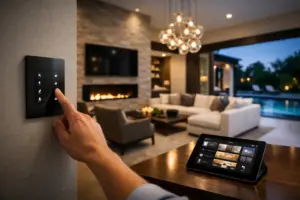
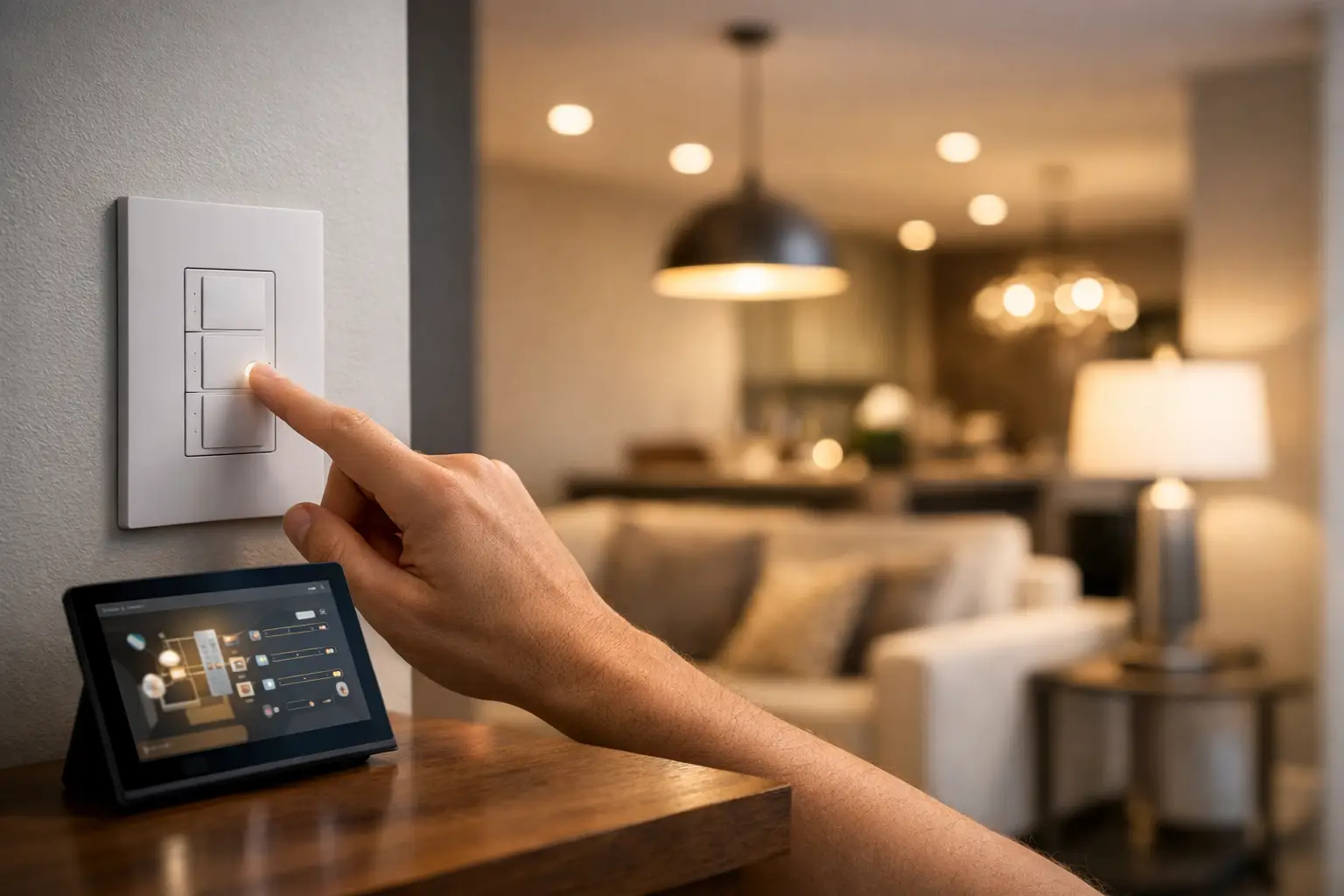
Lutron is also a strong fit for clients who want a clean visual result. Rather than covering walls with banks of switches, thoughtfully placed keypads can combine many functions into an elegant interface. Engraved buttons provide clear, intuitive control for family members and guests without requiring a lesson or a phone in hand.
The system is equally valuable when paired with motorized shades. Lighting and natural light affect one another, particularly in South Florida homes where bright sun, heat, privacy, and water views must all be considered. Automated shading can protect interiors, reduce glare, preserve views when desired, and complement interior lighting scenes as the day changes. The experience feels polished because the home responds as one coordinated environment.
For a smaller property with a limited number of lighting zones and no planned automation, a full-scale system may offer more capability than the owner will use. The right approach may be a focused design for key living areas, primary suites, exterior spaces, or a theater. A qualified integrator can scale the system around the property and leave room for future expansion where appropriate.
The Daily Benefits That Drive Long-Term Value
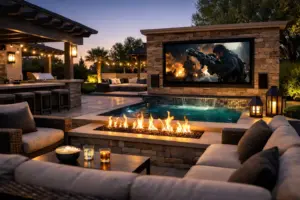
The strongest case for Lutron is the cumulative effect of small conveniences. Lighting scenes make ordinary routines more pleasant and more consistent. Morning lighting can come on gently. Evening scenes can make a dining room inviting without over-lighting it. A single command can prepare a family room for a movie or bring an outdoor entertaining area to life.
There is also a practical layer of control. Occupancy and vacancy sensors can help prevent lights from being left on in less frequently used spaces. Scheduled events can make a home appear occupied while owners are away. Centralized control provides an easy way to check or adjust lighting throughout the property without searching for the correct switch.
Dimming contributes to both atmosphere and fixture longevity. It allows the lighting design to work at the level the moment requires rather than always operating at full output. When the system is designed around compatible fixtures, lamps, drivers, and controls, dimming is smooth and predictable rather than an afterthought marked by flicker, pop-on behavior, or uneven light levels.
These benefits matter because premium homes are not static spaces. Their use changes throughout the day, across seasons, and when family or guests arrive. Lighting control allows the environment to adapt without making every adjustment a manual task.
Reliability Is the Difference Between a Feature and a System
A lighting control system must be easy to trust. If a scene works inconsistently, if controls are confusing, or if service becomes difficult after installation, even impressive capabilities lose their appeal. This is why system design, programming, documentation, and support deserve as much consideration as the equipment itself.
Lutron has built its reputation around lighting and shade control, not as a side category. Its product families can support projects ranging from selective room upgrades to sophisticated whole-home installations. The appropriate platform depends on the project. RadioRA 3 may suit many established homes and renovations, while HomeWorks is commonly selected for larger residences, highly customized designs, and projects where lighting, shading, and keypad aesthetics are a defining part of the build.
A professional installation begins with a review of the lighting plan, load types, fixture compatibility, window treatments, wall-control locations, network considerations, and desired user experience. That planning prevents common disappointments, such as keypads placed where they are inconvenient, scenes that feel unnatural, or decorative fixtures that do not dim as intended.
The finishing work matters, too. Clean keypad alignment, discreet equipment placement, clear labeling, and carefully tuned scenes are signs of a system that has been treated as part of the property rather than added onto it. Sentry Audio Video approaches control systems with this whole-project accountability, from design through commissioning and continued support.
Cost Considerations and Where the Value Can Change
The cost of Lutron lighting control varies substantially because no two properties have the same lighting layout, construction conditions, or expectations. The number of controlled zones, keypad locations, dimming modules, shade systems, integration requirements, and programming complexity all affect the scope. New construction and major renovations may offer the best opportunity to plan controls before finishes are complete, but existing homes can also be upgraded strategically.
The highest-value projects tend to prioritize the spaces where control has the greatest effect: main living areas, kitchens, primary suites, entries, outdoor entertaining zones, and rooms with significant shading needs. This approach directs investment toward the moments owners experience most often.
It is also wise to consider serviceability. A system should be documented, intuitively organized, and installed with future maintenance in mind. Premium technology earns its place when it continues to perform after the project is complete, not only during the first demonstration.
Questions to Ask Before Moving Forward
Before selecting a Lutron system, ask how the home will be used rather than starting with a product list. Which spaces need distinct moods? Where does glare interrupt daytime living? Which lights are frequently left on? How should the property respond when the family arrives, entertains, travels, or turns in for the evening?
Then ask the integration team how it will address fixture compatibility, wall aesthetics, power requirements, shade coordination, programming, and support. Request scenes that reflect actual routines, not generic presets. The best control experience is one that feels obvious after a few days because it matches the way the household already moves through the home.
Lutron lighting control is a considered investment, but for the right property, it becomes part of the home’s daily standard of comfort. When every scene is purposeful and every control is placed with care, the home feels calmer, more polished, and easier to enjoy.