A conference room goes silent five minutes before a client presentation. A home theater starts dropping audio in the middle of a movie night. Outdoor speakers work one weekend and not the next. In most cases, these problems do not start with a major failure. They start with small issues that go unnoticed until the system is needed most. That is exactly why av system maintenance services are not an extra – they are part of protecting the investment.
For homeowners and business owners with integrated technology, performance is only as strong as the ongoing care behind it. A well-designed AV system can deliver excellent sound, clean video, simple control, and dependable day-to-day operation. But even premium systems need attention over time. Software changes, network shifts, worn connections, environmental exposure, and user wear all affect reliability. Maintenance is what keeps a professionally installed system performing the way it was intended.
What AV system maintenance services actually include
Many people hear the word maintenance and think it means fixing something after it breaks. In practice, that is only part of the picture. Strong AV system maintenance services are proactive. They focus on preventing disruptions, preserving system performance, and identifying issues before they interrupt a meeting, an event, or a night at home.
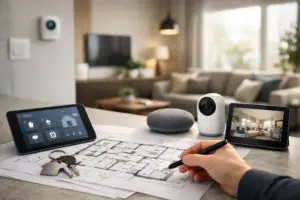
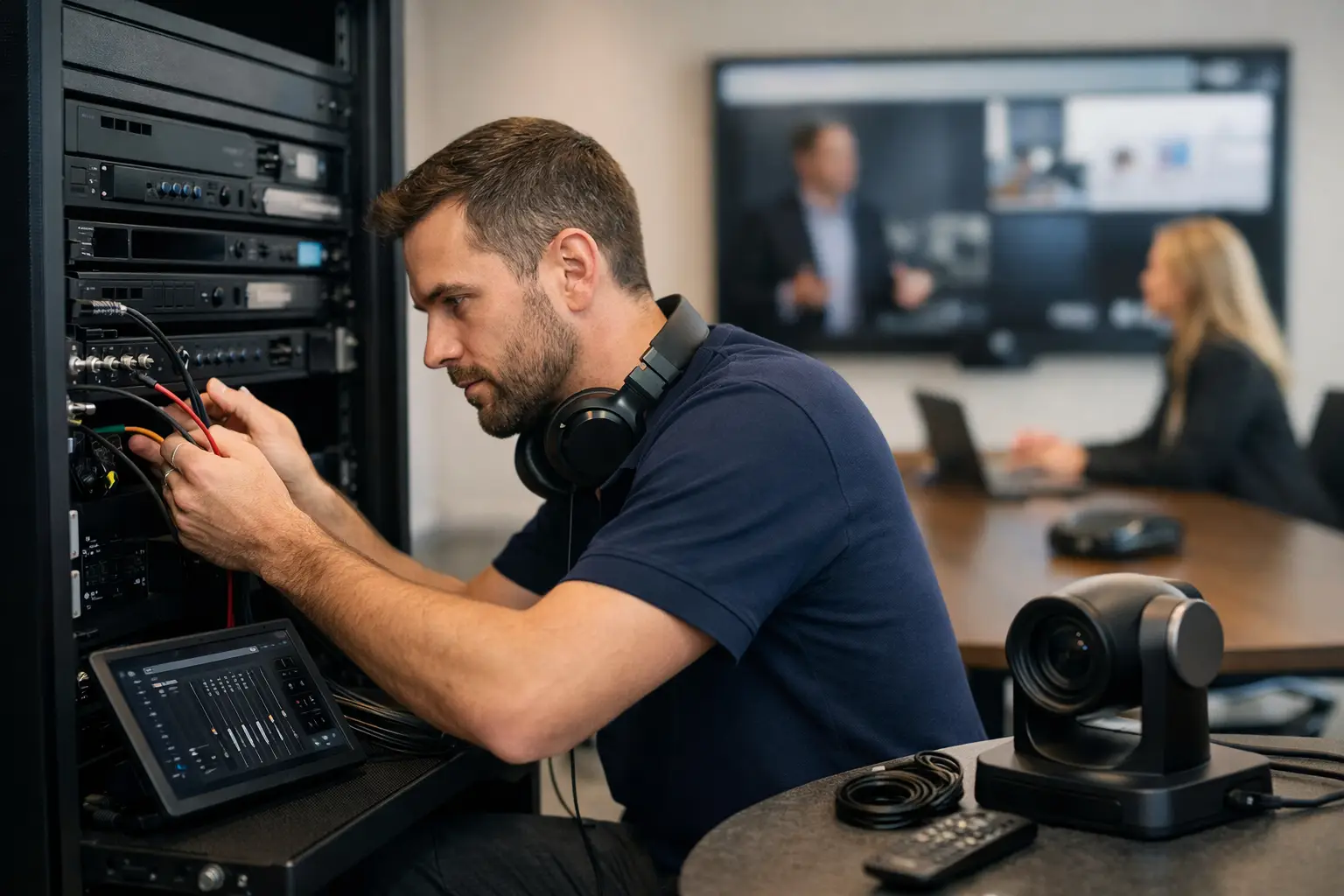
That usually includes inspection of equipment health, firmware and software updates where appropriate, testing of signal paths, calibration checks, control system review, network-related diagnostics, cable and connection assessment, and evaluation of components exposed to heat, moisture, or heavy use. In a commercial setting, maintenance may also involve checking conferencing platforms, displays, audio coverage, surveillance integrations, and communication endpoints. In a residence, it can extend to whole-home audio, theaters, outdoor entertainment, surveillance, motorized shades, and centralized control interfaces.
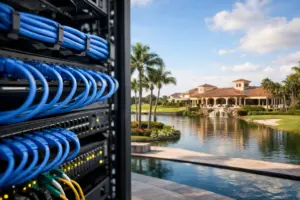
The right scope depends on the system. A single media room does not need the same service plan as a large waterfront home with distributed AV, security, and outdoor zones. A restaurant, office, or hospitality property has a different usage pattern than a private residence. That is why maintenance should be tailored, not treated as a generic checklist.
Why maintenance matters more in integrated systems
The more connected a system becomes, the more one small issue can affect the larger experience. That is true in both homes and commercial spaces. A display may be working perfectly, but if the control system loses communication or the network is unstable, the user still experiences failure. The same goes for audio zones, surveillance feeds, or meeting room sources that depend on multiple technologies working together.
Integrated systems are powerful because they centralize control and reduce friction. They also require a service partner that understands the full environment, not just one device at a time. When audio, video, networking, automation, security, and communications intersect, maintenance has to account for that relationship. Treating each issue in isolation often leads to recurring problems and inconsistent performance.
This is one reason professionally managed service matters so much in larger homes and businesses. The issue you notice is not always the issue causing the disruption. An experienced integrator looks at the whole system architecture, usage patterns, and site conditions before making adjustments.
Common signs you need AV system maintenance services
Some systems fail loudly. Others decline slowly. In many properties, owners get used to small frustrations and assume they are normal. They are not.
If remotes or touch panels respond inconsistently, if audio cuts in and out, if sources take too long to switch, if displays lose signal, or if conferencing quality drops, service is likely overdue. The same is true when outdoor systems are affected by weather exposure, when firmware has not been reviewed in a long time, or when recent internet or network equipment changes seem to create new problems.
There is also a less obvious sign – hesitation. If users avoid certain rooms, features, or controls because the system feels unpredictable, the technology is no longer doing its job. A premium AV environment should feel intuitive and dependable. If people start working around it, maintenance is not just helpful. It is necessary.
Preventive service versus emergency repair
Waiting until something stops working may seem practical, but it often costs more in downtime, disruption, and urgency. Emergency service has its place, especially when a boardroom, restaurant, or security-related integration needs immediate attention. But relying only on reactive support usually means the system is being managed at its weakest point.
Preventive maintenance creates a different outcome. It gives technicians the opportunity to test, update, clean up, and correct issues in a controlled way. That matters because some updates should be applied carefully, not automatically. Some equipment should be recalibrated after environmental changes. Some parts need replacement before they fail in the middle of active use.
There is a trade-off here. Not every property needs the same frequency of service visits. Over-servicing a lightly used system may not be necessary, while under-servicing a heavily used commercial environment is risky. The right approach depends on complexity, usage, location, and how critical uptime is to the owner.
Maintenance protects more than performance
Reliable operation is the most visible benefit, but it is not the only one. AV system maintenance services also help protect aesthetics, equipment lifespan, user confidence, and in some cases broader business continuity.
In a luxury residence, technology should support the home without creating clutter, frustration, or repeated service calls. A clean installation loses value if the system becomes unreliable six months later. Routine service helps preserve that original experience.
In a business environment, the impact can be broader. A failed conference room affects presentations and client interactions. A hospitality audio issue affects atmosphere. Problems with integrated surveillance or communications can interfere with operations and response times. Maintenance reduces those risks and helps property managers and owners avoid preventable interruptions.
It also supports long-term planning. During maintenance visits, an integrator can spot aging hardware, compatibility concerns, or capacity limits before they become urgent. That allows upgrades to be timed strategically instead of made under pressure.
What to look for in a maintenance partner
Not all service providers approach maintenance the same way. For integrated systems, the right partner should understand design intent, installation quality, system programming, network dependencies, and how the client actually uses the technology. That level of familiarity leads to faster diagnosis and better decisions.
Responsiveness matters, but so does discipline. Good maintenance is not just showing up when called. It is documenting system changes, managing updates carefully, checking performance trends, and communicating clearly about what was found and what should happen next.
For clients with multiple technologies across one property, it is especially valuable to work with a single team that can oversee audio, video, control, surveillance, communications, and related infrastructure together. That creates accountability. It also reduces the finger-pointing that often happens when several vendors are involved and no one owns the full outcome.
Sentry Audio Video is built around that full-service model, which is why ongoing support becomes a practical advantage, not just a line item after installation.
How service plans should be tailored
A thoughtful maintenance plan starts with the property, not a one-size-fits-all package. A primary residence with frequent entertaining may need seasonal system reviews, especially if there are outdoor entertainment zones exposed to South Florida conditions. A corporate office may need scheduled testing around conference rooms, displays, audio systems, and communications tools to keep teams productive. A hospitality environment may need more frequent attention because uptime directly affects guest experience.
The most effective plans account for how many systems are in place, how often they are used, who uses them, and how disruptive downtime would be. They also leave room for change. Renovations, staffing changes, new devices, and internet service adjustments can all affect performance over time.
That flexibility matters. Technology environments are not static. Maintenance should help them stay stable even as the property evolves.
The real value of staying ahead
When AV systems work well, they tend to disappear into the background. Meetings start on time. Music plays where it should. Lighting, shades, displays, and control interfaces respond the first time. Security and communications systems support the property without daily attention. That level of consistency is rarely accidental.
It comes from planning, skilled installation, and continued care. AV system maintenance services keep that standard intact. They reduce avoidable problems, protect complex systems from gradual decline, and give homeowners and business owners confidence that their technology will be ready when it is needed.
If you have invested in a custom AV environment, the goal is not simply to keep it operational. The goal is to keep it performing at the level that made it worth installing in the first place. That is where maintenance stops being a service add-on and starts becoming part of responsible ownership.