A camera sold as outdoor-ready may have several environmental ratings, each answering a different question. For a waterfront property, compare evidence for corrosion protection separately from resistance to water, dust and impact. A high rating in one category should not become a blanket promise about every coastal exposure.
The useful purchase decision concerns the complete installed assembly: camera, enclosure, mounting accessories, seals and connections. Ask the supplier to identify the exact products and the documentation supporting their use at the proposed location.
Separate the three protection questions
Ingress protection addresses entry of solids and water under specified test conditions. Impact protection addresses a different mechanical exposure. Corrosion testing examines another set of conditions. These categories should appear separately in an equipment comparison rather than being collapsed into the word weatherproof.
Axis’s testing white paper, for example, describes IP ingress tests, impact tests and corrosion tests in separate sections. It discusses NEMA 4X salt-spray and ISO 21207 corrosion testing. The appropriate conclusion is to check the actual product evidence, not to assume every camera from that manufacturer carries every rating.
Describe the real mounting location
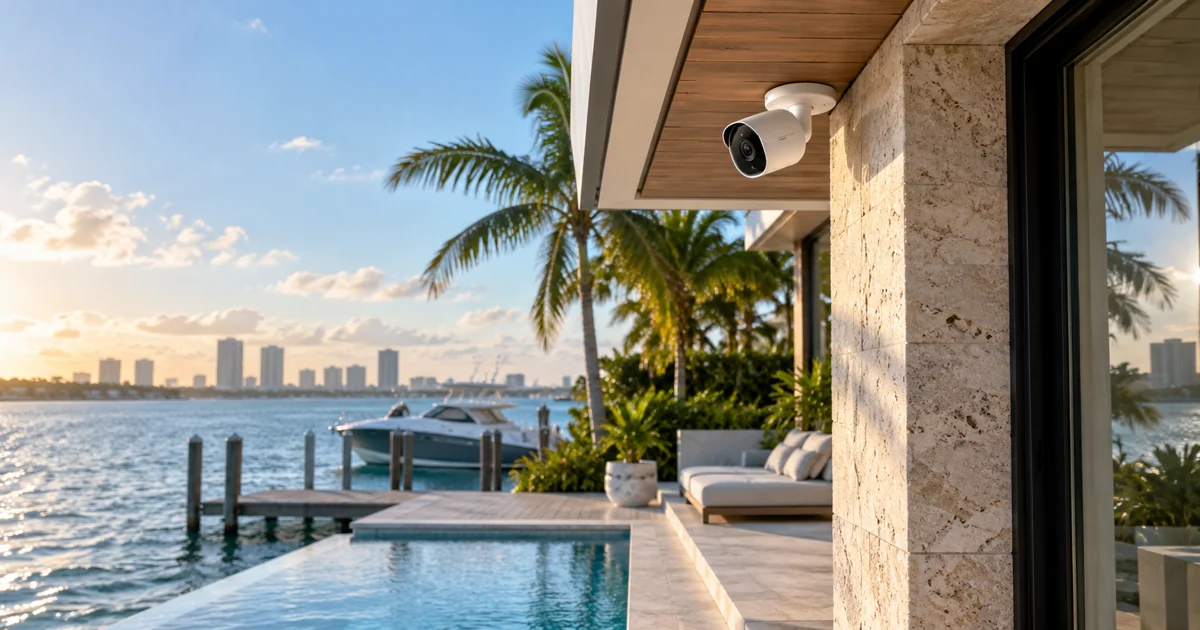
A camera sheltered under a deep eave can face different conditions from equipment beside an exposed dock. Record direct rain exposure, salt exposure, cleaning practices, mounting surface and access for maintenance. Include nearby hardware and cable-entry arrangements in the site assessment.
Photographs help establish the location, but the installer should verify the actual conditions and the selected product’s instructions. A neighboring property’s installation or a product’s general outdoor description does not settle the suitability of this assembly.
- Exact camera model and variant.
- Housing and mounting-accessory part numbers.
- Relevant ingress, impact and corrosion documentation.
- Permitted cable-entry and sealing arrangements.
- Manufacturer installation and maintenance requirements.
Check the assembly, not just the camera body
An equipment proposal should identify any separately supplied housing, junction box, pendant mount or adapter. Confirm that the chosen combination is intended for the installation and that required seals and fittings are included. The camera body’s specification alone should not be used to certify every added component.
Keep changes to the approved assembly visible. If an accessory is substituted during installation, review that substitution against the original requirements. This is especially useful when comparing quotes that use the same camera model but different mounting and connection details.
Read ratings without creating a lifetime guarantee
Testing evidence describes specified conditions. It is not a universal statement that a camera is salt-proof, maintenance-free or covered for every type of environmental damage. Confirm warranty terms separately with the manufacturer or supplier for the exact equipment and intended use.
Ask what routine inspection or cleaning the installation requires and who is responsible. Avoid applying chemicals, coatings or cleaning methods without the appropriate product guidance. The selection process should make those responsibilities clear before the owner approves the purchase.
Use a coastal-equipment approval checklist
- Document the location and expected exposure.
- List the exact camera, housing and mounting components.
- Review each relevant protection category separately.
- Confirm the manufacturer-approved assembly and installation details.
- Record warranty questions and maintenance responsibilities.
- Inspect and document the completed installation against the approved schedule.
A ratings review may support retaining a suitable existing camera, changing its mounting arrangement or selecting different equipment. It should not automatically become a recommendation to replace every working device on the property. The assessment should explain the material difference the proposed purchase addresses.
Compare two equipment schedules at the mounting location
Suppose two suppliers quote the same camera for a waterfront house but use different junction boxes and mounts. Put the complete assemblies beside one another and ask each supplier to identify the evidence for the proposed location. Similar camera names do not make the accessory choices, cable entries or maintenance requirements equivalent. This hypothetical comparison is especially useful when one quotation lists only a camera quantity.
Describe whether the equipment will sit under a covered roof edge, beside a terrace or in another exposed position. Ask the installer to identify which site conditions have been checked and which remain uncertain. Include how a technician will safely reach the assembly later. A product specification can inform selection, but it cannot establish the final quality of a mounting arrangement that has not yet been designed.
For a new installation, settle the environmental and access requirements while camera positions and cable routes are still flexible. For a takeover, record the condition of the retained assemblies before deciding which components need attention. The options may involve a documented mounting correction, replacement accessories or a different camera; the proposal should explain the specific problem each option addresses.
At handover, compare installed part numbers and visible assembly details with the approved schedule, using the responsible installer's inspection process. Keep permitted cleaning and inspection instructions with that record. Establish how later accessory substitutions will be reviewed. The buyer can then compare actual installation scope and upkeep obligations, rather than relying on an outdoor label or assuming a successful water-resistance test settles salt exposure for every component.
Plan camera replacement around the property
This is a pre-purchase equipment-selection review. Ongoing health monitoring and physical maintenance remain separate service decisions. Keep them connected in the project record while stating what each appointment or agreement actually includes.
Sentry Audio Video provides security-camera design, installation, upgrades and takeovers for South Florida homes and businesses. Request a waterfront camera assessment or call (561) 717-3280 with the installation location and existing equipment details.
Technical reference
Reviewed October 30, 2026: Axis’s Tested without compromise white paper, including its separate ingress, impact and corrosion test descriptions. Verify exact-model specifications and assembly instructions; no universal environmental or warranty guarantee is made here.
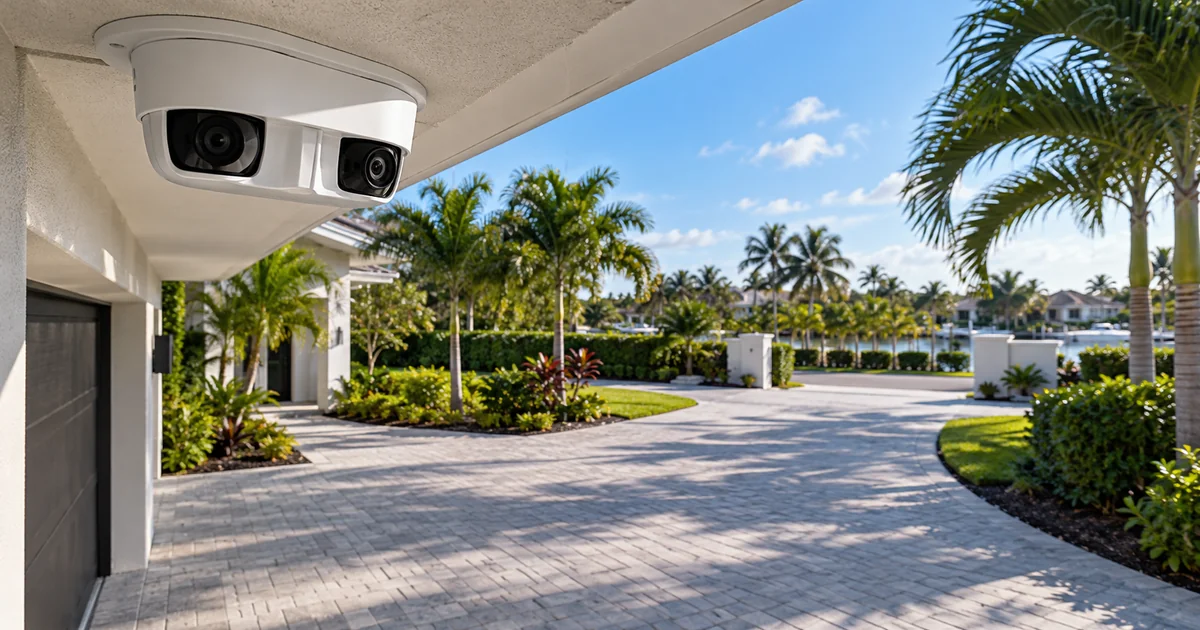
Featured image: AI-generated illustration, not a photograph of a Sentry Audio Video project.
From our Google reviews
“Brian and his team did an outstanding job installing our security cameras.”
Security camera installation
Google review excerpt