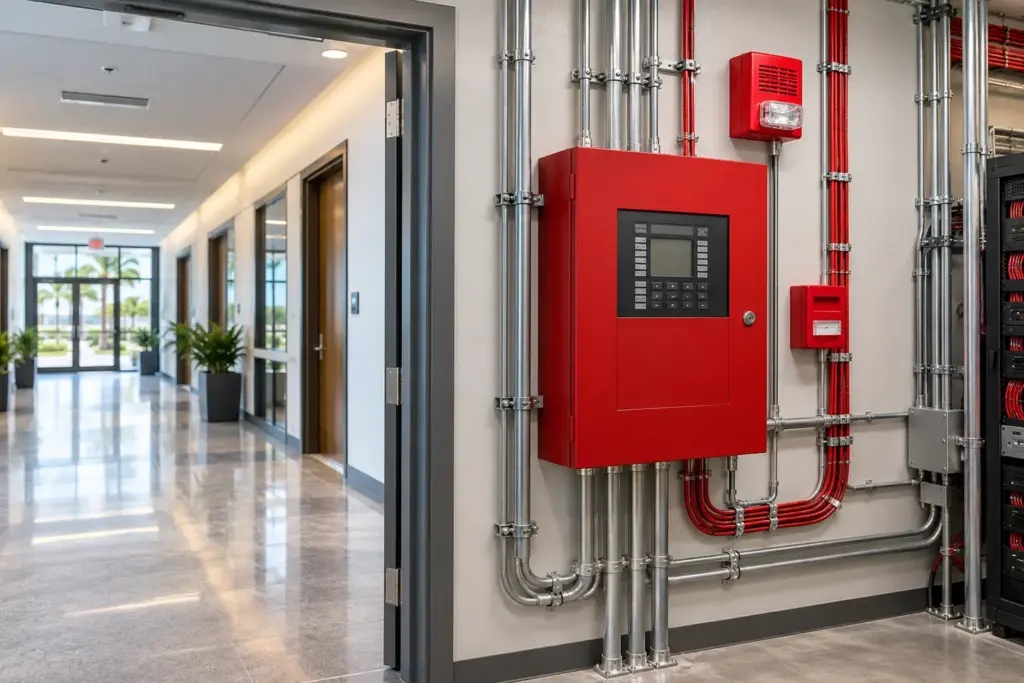
A fire alarm system earns its value before an emergency ever happens. It must detect the right condition, notify the right people, communicate reliably, and perform as intended when the building is under pressure. Selecting a Fire Alarm Company Boca Raton property owners can depend on is therefore about far more than placing devices on walls and ceilings. It is about design discipline, code awareness, clean installation, testing, and dependable support after the project is complete.
For a residence, club, office, retail space, multifamily property, or hospitality environment, fire protection is a life-safety system. The right partner treats it with the same care given to every other critical part of the property.
Fire Protection Is Not a One-Size-Fits-All System
A fire alarm strategy should begin with the building itself. The size of the property, occupancy type, layout, renovation scope, existing fire protection equipment, local requirements, and intended use all influence what the system needs to do. A single-family home undergoing a major renovation has different priorities from a medical office, restaurant, condominium common area, or commercial facility with multiple tenant spaces.
Commercial systems may require initiating devices, notification appliances, control panels, remote annunciation, monitoring communication, and integration with other required building functions. Depending on the property, the system may also need to account for sprinkler supervisory signals, fire pump status, smoke control functions, elevator recall, or door-release interfaces. Each condition should be evaluated in the context of the approved plans and the authority having jurisdiction.
Residential projects require the same seriousness, even when the design is less complex. Properly located smoke and heat detection can provide earlier warning while protecting the visual quality of a carefully finished home. In larger residences, monitored detection and clearly planned notification can add another layer of protection, particularly when owners travel frequently or maintain seasonal occupancy.
The point is not to add equipment without purpose. It is to create a system that fits the property, complies with applicable requirements, and remains practical to test, service, and understand.
What a Fire Alarm Company in Boca Raton Should Evaluate
A qualified fire alarm provider should ask detailed questions before recommending a system. If the initial conversation is limited to device counts and a quick estimate, the project may not be receiving the technical review it deserves.
Start With the Building and Its Use
The design team should review floor plans, ceiling heights, room functions, paths of travel, equipment rooms, exterior areas, and any special conditions that can affect detection or notification. Open-concept residences, high ceilings, commercial kitchens, parking areas, and outdoor-access spaces can all require a more considered approach than a standard layout.
For commercial properties, occupancy classification and local permitting requirements are central to the conversation. A change in use, tenant improvement, or expansion may affect the fire alarm scope even when the existing system appears functional. Early coordination can prevent late-stage revisions that disrupt construction schedules and finished surfaces.
Design Detection and Notification With Intent
Detection devices should be selected and located for their purpose. Smoke detection, heat detection, manual pull stations, duct detection, and supervisory monitoring each serve specific roles. Selecting the wrong device type or placement can lead to nuisance alarms, missed conditions, service complications, or inspection issues.
Notification matters just as much. Occupants need to receive a clear warning through audible and visual means where required. In a premium residence or carefully designed commercial interior, that need should be addressed without treating aesthetics as an afterthought. Experienced installers coordinate locations early so devices align cleanly with architectural features, lighting plans, millwork, and ceiling details while still meeting the system’s requirements.
Plan the Infrastructure Before Walls Close
Fire alarm cabling and pathways should be planned alongside low-voltage infrastructure, security, communications, and network systems. This is especially valuable during new construction and major renovations, when access is available and coordination can protect the final finish.
A clean installation is not merely cosmetic. Proper cable management, labeled components, accessible panels, and documented device locations make future inspections, diagnostics, expansions, and service more efficient. When a property has several integrated systems, organized infrastructure also reduces the risk of one trade interfering with another.
Code Compliance Requires More Than a Product List
Fire alarm systems are governed by applicable codes, local amendments, permit requirements, manufacturer instructions, and approval by the authority having jurisdiction. Requirements can vary based on occupancy, building conditions, renovation scope, and the nature of the system being installed or modified.
A professional provider understands that the installation is only one part of the process. The work may involve plan review, permit coordination, required documentation, inspection scheduling, acceptance testing, and communication with other project stakeholders. On larger commercial projects, the fire alarm contractor may need to coordinate closely with the general contractor, electrical contractor, fire sprinkler contractor, architect, engineer, and property management team.
There is also a meaningful difference between a new system, an addition to an existing system, and a repair to a legacy installation. Existing equipment may have compatibility limits. A panel may be at capacity, devices may no longer be supported, or prior modifications may not be well documented. A thorough site review helps identify those issues before they become a surprise during installation or inspection.
Monitoring, Testing, and Ongoing Service Matter
Installing a fire alarm system is not the finish line. The system needs a plan for ongoing testing, inspection, monitoring coordination when applicable, and prompt service when a trouble signal appears. Owners and facility managers should know who to call, what records are maintained, and how the system will be supported as the property changes.
For monitored systems, communication reliability deserves attention. The fire alarm panel must be able to transmit the appropriate alarm, supervisory, and trouble conditions through an approved communication path. The monitoring arrangement should be established and tested as part of the final commissioning process, rather than treated as an administrative detail after installation.
Commercial property owners should also consider how routine testing will affect occupants and operations. A thoughtful service partner can help schedule work around business hours, coordinate access to tenant spaces, and document results in a clear, organized manner. For residences, service should be equally respectful of the home, with technicians who protect finishes and explain findings in straightforward language.
Fire Alarm Integration Must Be Handled Carefully
A well-designed property may include surveillance, access control, structured cabling, audio/video, communication systems, and automated controls. These systems can coexist with fire protection under one coordinated project plan, but a fire alarm system must always retain its required independence and life-safety function.
Certain approved interfaces may be necessary in a commercial environment, such as releasing access-controlled doors during an alarm event or communicating status to other building systems. Those interfaces require proper design, listed components where required, and coordinated testing. Convenience features should never compromise code compliance, alarm transmission, or system reliability.
This is where a full-service technology integrator can add real value. Instead of treating each low-voltage system as an isolated installation, the team can coordinate pathways, equipment locations, finishes, project scheduling, and documentation across the property. The result is a more organized installation and a clearer ownership experience without blurring the line between lifestyle technology and life-safety requirements.
Questions Worth Asking Before You Hire
Before choosing a provider, ask how the company evaluates existing equipment, handles permitting and inspection coordination, documents the completed system, and supports service after turnover. Ask whether the scope includes testing, monitoring coordination when needed, owner training, and a clear process for future additions or repairs.
It is also wise to ask who will perform the installation and how the team protects finished interiors. On a high-end residence or polished business environment, visible device placement, panel locations, cable routing, and wall repairs reflect directly on the quality of the project. Technical performance and craftsmanship should be equally strong.
Finally, look for a company that can explain recommendations in plain language. You should understand what each component does, what responsibility remains with the property owner or manager, and what events require a service call. Clear communication is a practical sign of accountability.
A Better Standard for Fire Alarm Service in Boca Raton
The right fire alarm system should provide confidence without becoming a daily concern. That confidence comes from thoughtful design, disciplined installation, thorough testing, and a service partner that remains available after the project is complete.
For Boca Raton homeowners and businesses planning a renovation, new build, system upgrade, or commercial fit-out, Sentry Audio Video brings coordinated technology expertise and a quality-driven approach to fire alarm planning and installation. Start with a professional site review so the system is designed around the property, its occupants, and the level of performance it requires.