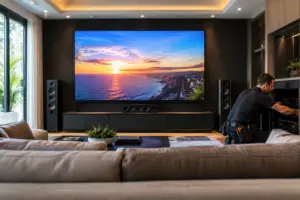
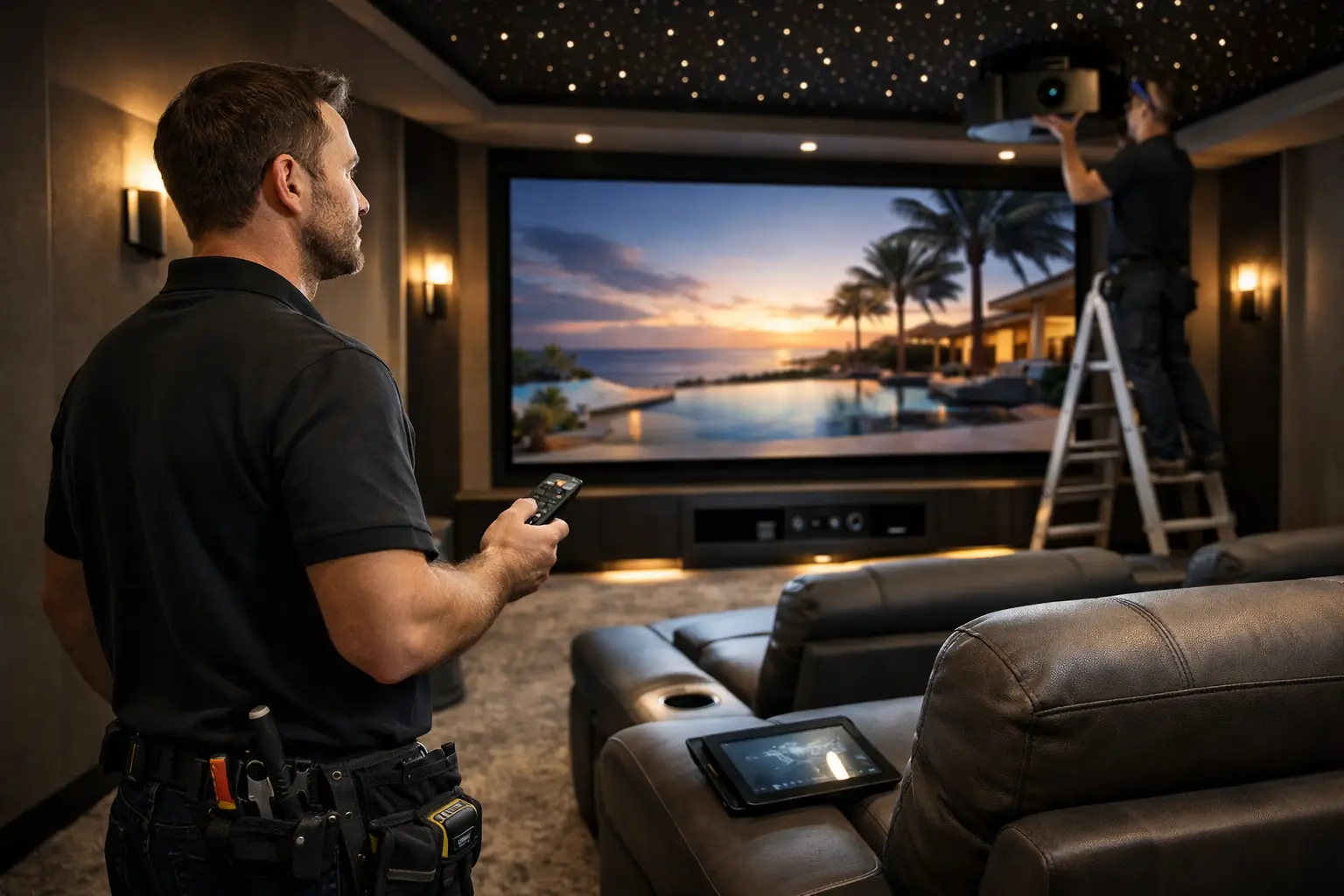
A luxury theater is not defined by the size of the screen alone. It is defined by how naturally the room disappears when the lights lower, the dialogue remains clear at any seat, and every control responds exactly as expected. Choosing a Luxury Home Theater Installer Boca Raton homeowners can rely on is the difference between a room filled with premium components and a fully engineered entertainment experience.
For a new estate, waterfront residence, condominium renovation, or dedicated media room, the right integration partner should take responsibility for the entire system. That means thoughtful design, precise installation, performance calibration, clean finishes, and responsive support after the project is complete.
Start With the Room, Not the Equipment
Exceptional home theaters begin with questions about the property and the family who will use it. Is the theater a dedicated room for cinematic viewing, or a flexible living space that needs to shift from daytime entertaining to movie night? Will the room be used primarily by a close family group, or does it need to accommodate larger gatherings? Are there architectural details, windows, or ceiling heights that affect speaker placement and display selection?
These questions shape every design decision. A large display may be impressive, but it must be appropriately sized for the viewing distance. Speakers need proper placement and calibration, not simply a place on the wall. Seating layout matters because every position should provide a satisfying view and intelligible sound.
A knowledgeable installer studies sight lines, room dimensions, ambient light, wall construction, equipment locations, and the home’s overall technology plan before recommending a system. This early work avoids common compromises that are difficult to correct once finishes are complete.
What a Luxury Home Theater Installer in Boca Raton Should Design
A professionally planned theater is a coordinated system rather than a collection of individual products. The display, projector or television, screen, audio system, controls, lighting, shading, network, and equipment rack must work together reliably.
In Boca Raton, daylight and glass-heavy architecture often influence display and shading decisions. A theater with significant natural light may benefit from a high-performance display and motorized shades that can be incorporated into programmed scenes. In a dedicated darkened room, a projection system and acoustically considered screen may create a more immersive cinematic presentation. Neither approach is automatically right. The room and intended use determine the correct solution.
Audio design deserves the same level of attention. A properly designed surround-sound system creates convincing movement and scale without overwhelming the room. Clear center-channel dialogue, controlled bass, and balanced sound across seating positions are more meaningful than chasing specifications on paper. Acoustic treatments may also be appropriate, particularly in rooms with hard surfaces, high ceilings, or open adjoining spaces.
The equipment itself should be selected for long-term performance, compatibility, and serviceability. Premium components are only as good as the system engineering behind them.
Clean Installation Is Part of the Luxury Experience
The installation should look intentional long after the project is finished. Wires should be concealed and labeled, equipment should be ventilated, and racks should be organized for reliable access and future service. Displays, speakers, controls, and shades should complement the interior rather than compete with it.
This matters especially during renovations and new construction. A theater installer must coordinate with the builder, interior designer, architect, and other trades to ensure that infrastructure is installed at the correct stage. Prewiring, backing, conduit, rack locations, and network planning are easier to address before walls and ceilings are finished.
Professional workmanship also protects the investment in the home. Proper mounting methods, structured cabling, power planning, and ventilation reduce avoidable performance issues. The goal is not merely a polished reveal day. It is a system built to operate dependably year after year.
Control Should Feel Simple, Even When the System Is Sophisticated
A theater can include multiple sources, surround processing, motorized shades, lighting scenes, climate settings, and distributed audio throughout the home. The homeowner should not need to manage that complexity one component at a time.
A well-programmed control system turns a complicated sequence into a straightforward experience. One command can prepare the room for viewing by setting the lighting, lowering shades, activating the display, selecting the appropriate source, and setting the system to the correct audio mode. When the viewing session is over, another command can return the space to its normal state.
The strongest control designs also account for real daily use. Family members and guests need clear interfaces. The controls should offer only the choices that matter, while still giving the homeowner access to more detailed adjustments when needed. Reliable control programming is not an accessory to the theater. It is central to whether the room feels enjoyable or frustrating.
Ask How Performance Will Be Calibrated
Installation is not the final step. A theater needs calibration to perform at its intended level in the actual room. Video calibration addresses picture settings, brightness, contrast, color, and viewing conditions. Audio calibration measures and adjusts speaker levels, timing, crossover settings, and room response.
This stage is where careful installation becomes a refined viewing experience. Even excellent speakers can sound uneven when they are not calibrated to the room. Likewise, an impressive display may appear overly bright, washed out, or unnatural if its settings are not matched to the environment.
When evaluating an installer, ask how commissioning is handled. A professional answer should include system testing, control programming, calibration, client walkthroughs, and a documented plan for support. The project should not be considered complete simply because the equipment powers on.
Look Beyond the Theater Room
Many homeowners want the theater to connect naturally with the rest of the property. The same integration partner may coordinate whole-home audio, outdoor entertainment, motorized shades, security cameras, access control, structured wiring, and network infrastructure. This broader scope can make a meaningful difference because systems are designed to coexist from the beginning.
For example, the network supporting high-quality streaming in the theater should be planned alongside the wider home network. A centralized control platform can also bring theater functions together with lighting, shades, and security-related alerts where appropriate. The result is a more consistent ownership experience and fewer disconnected systems to manage.
That said, integrated does not have to mean complicated. The right design respects how the household lives. Some clients want theater control separate from broader home automation, while others value a single interface across the property. Both approaches can be effective when designed with purpose.
Questions Worth Asking Before You Hire
Before selecting a home theater integration firm, ask for a clear explanation of the design process and the team’s role after installation. You should understand who is responsible for system design, coordination, programming, calibration, and service.
It is also reasonable to ask how the installer handles changes during construction, what equipment access will look like after completion, and how future upgrades can be accommodated. A well-planned system leaves room for evolving needs without requiring unnecessary disruption to finished spaces.
Most importantly, assess whether the company listens. A premium theater should reflect the homeowner’s viewing habits, aesthetic standards, and expectations for control. The right partner will provide confident recommendations while explaining the reasoning behind each one.
A Theater Built for the Way You Live
The most successful home theaters do more than deliver exceptional sight and sound. They make gathering at home more inviting, simplify entertainment, and add a purposeful destination within the property. Every detail, from speaker placement to the response of a single button, contributes to that feeling.
Sentry Audio Video approaches theater projects with the technical depth and accountability required for high-performance residential integration. For homeowners planning a new theater or reimagining an existing room, the first productive step is a detailed conversation about the space, the experience you want, and the standards the finished system must meet.